
Tri Wall Boxes
Protect heavy, bulky, and valuable products with custom tri wall boxes built for demanding shipping. Made with triple-wall corrugated board, these boxes provide excellent strength, stacking protection, and impact resistance while staying lighter than wooden crates. Get custom sizes, printing, inserts, and dividers designed around your product. Request a quote today.
Trusted by 10,000+ awesome brands

















Tri Wall Boxes Gallery
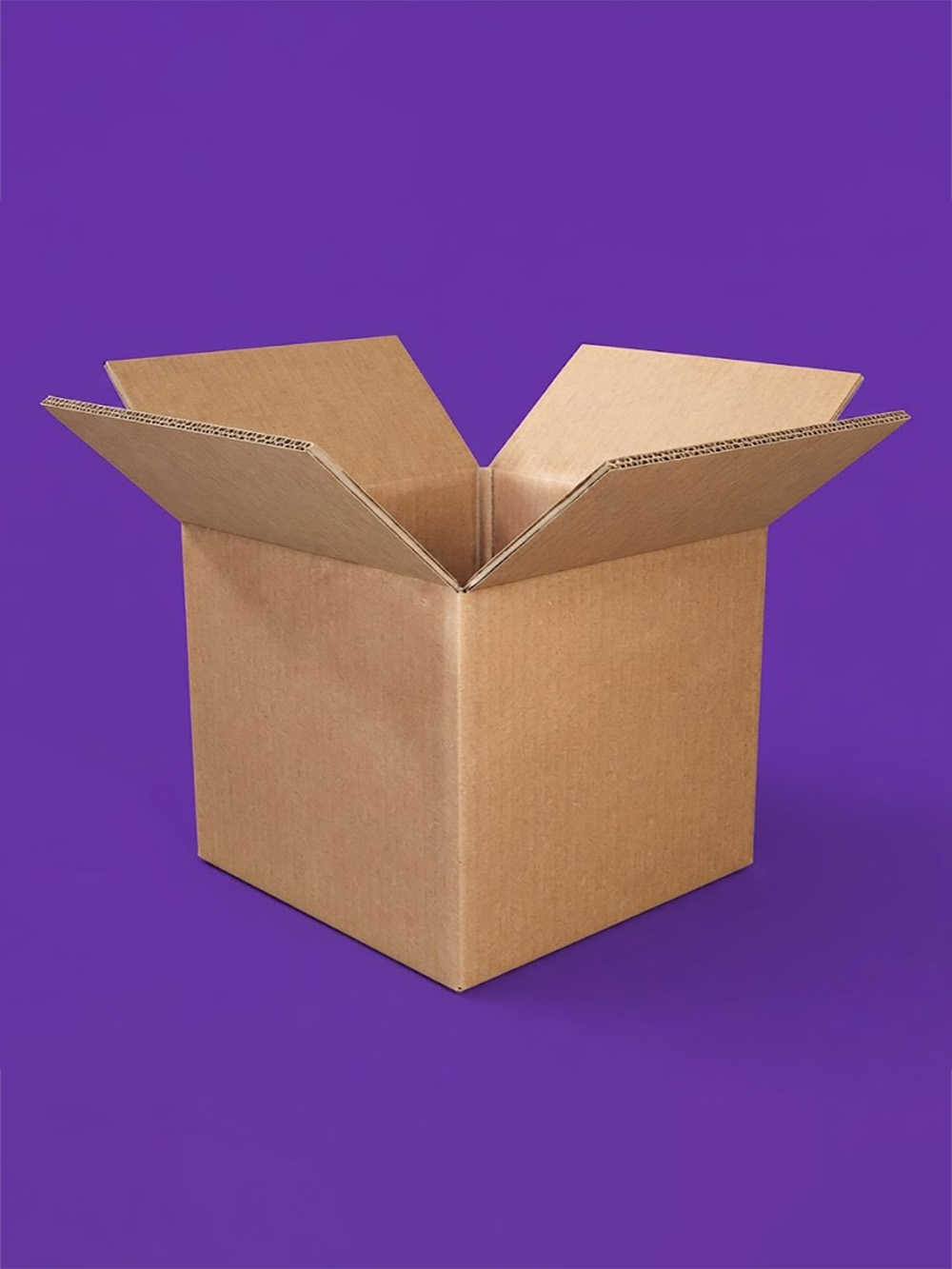
Tri Wall Boxes USA
Some products are too heavy for a regular carton and too awkward to justify a wooden crate. It might be a pallet of machine parts, a bulky piece of equipment, or a load that has to survive weeks inside a shipping container. That’s the job tri wall boxes are made for.
Hale Path Packaging manufactures custom tri wall boxes built around your product, not around a catalogue size. Tell us what you ship, how it gets handled and where it’s going, and we’ll help you work out the right build. If you’re still comparing options, take a look at our Bag-in-Box Outer Packaging USA, or request a quote to get started.
What Are Tri Wall Boxes?
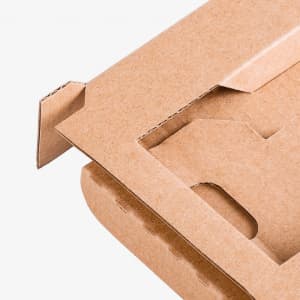
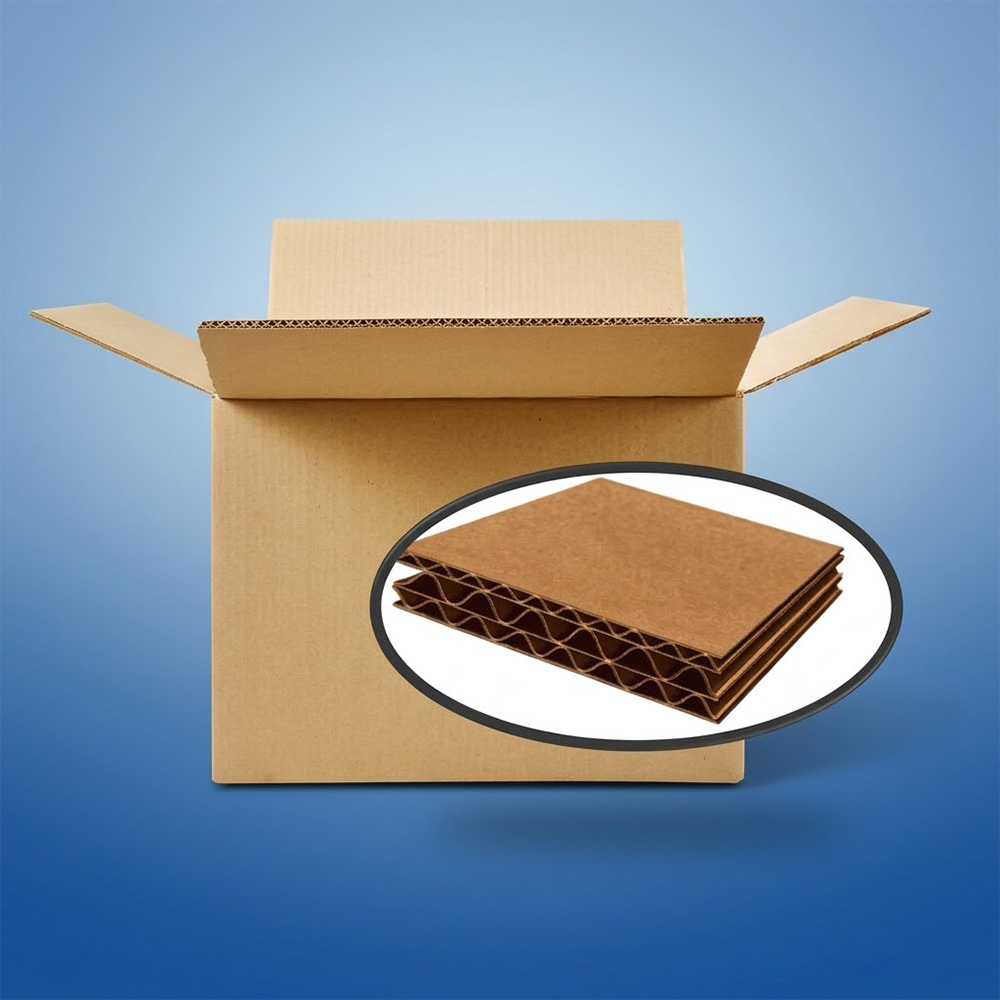
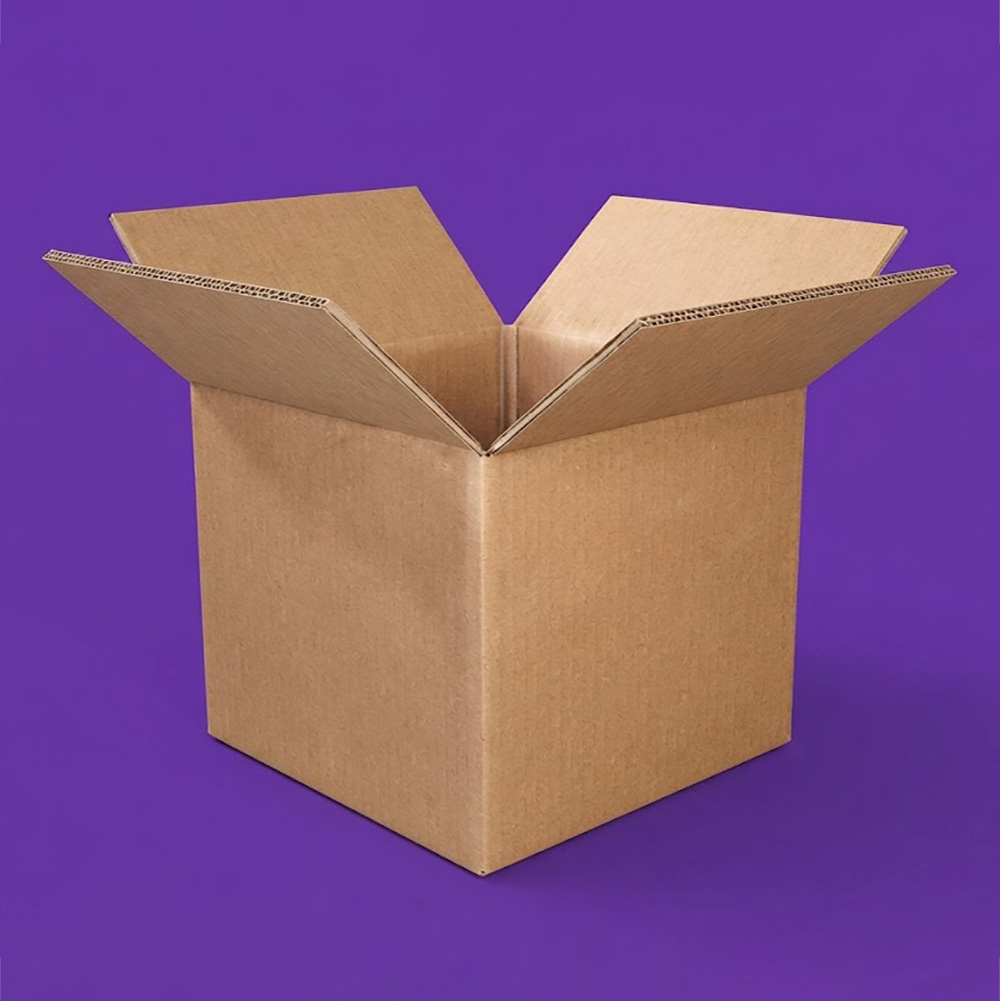
Tri wall boxes are made from triple-wall corrugated cardboard. The board has three fluted layers, the wavy paper in the middle, sandwiched between four flat sheets of linerboard. Add it up, and you get seven layers of paper in one panel. A single-wall box has one fluted layer between two liners, and a double-wall box has two.
You’ll see the product called a tri-wall box, a single-wall box, and sometimes a triwall box. They all describe the same construction. One small note for your supplier search: in some markets, “Tri-Wall” is also used as a company or brand name, so “triple wall” is usually the safest term to search for.
The extra layers matter because each fluted layer works like a row of small arches. It resists crushing and soaks up impact. Stack three of them together, and the box holds its shape under stacking and rough handling where lighter board would start to give way.
Strength isn’t only a matter of wall count, though. Board grade, flute type, box size and style all play a part. That’s why we look at each tri-wall box as its own project instead of handing out a one-size-fits-all spec.
Benefits and Applications of Triple Wall Boxes
Triple wall boxes earn their place when a load is heavy, bulky, valuable or headed on a long trip. The main advantages:
Compression strength. Triple-wall board stands up to stacking and palletising better than single- or double-wall, which matters in warehouses and in containers where the bottom layer carries everything above it.
Puncture and impact resistance. Thick board handles the knocks that come with forklifts, cranes and repeated handling.
Lighter than wood. A tri-wall box weighs less than a wooden crate, and there are no nails, splinters or sharp edges for your team to deal with.
Paper-based and recyclable. Corrugated cardboard goes through standard recycling streams, and it’s made from a renewable fibre.
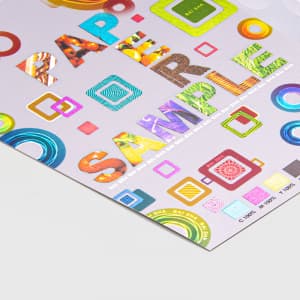
Printable. Branding, handling marks and instructions can go right on the outside. We offer printing options if you’d like your logo or “Heavy” and “This Side Up” marks on the box.
Often shippable flat. Many tri-wall styles can be stored and shipped flat until it’s time to pack, which saves space.
Typical uses include:
- Automotive parts and engine components
- Industrial parts and heavy metal components
- Machinery and equipment
- Glass, ceramic and tile
- Bulk powders in lined bags or drums
- Palletised freight and export shipments
- Crate replacement for heavy or oddly shaped products
One honest caution: triple-wall board is excellent against crushing and punctures, but a fragile item can still be hurt by side impacts. If that’s your situation, add inserts or dividers inside. Our die-cut cardboard boxes USA are made for exactly that.
Custom Sizes, Materials and Specifications
A tri-wall box that fits well performs better than one that’s merely strong. Too much empty space lets the product shift. Too tight a fit can put stress on the walls. So we make boxes to your dimensions rather than asking you to pick the closest stock size.
Here’s what can be customised:
- Box dimensions, sized to your product and, if you ship on pallets, to the pallet
- Flute and liner options, chosen for the load and the journey
- Box style and construction, based on how you pack, store and ship
- Printing, including logos and handling marks (see our custom boxes)
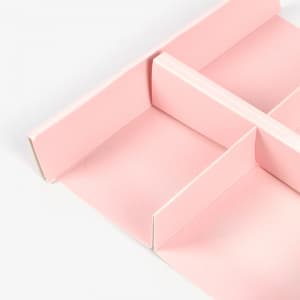
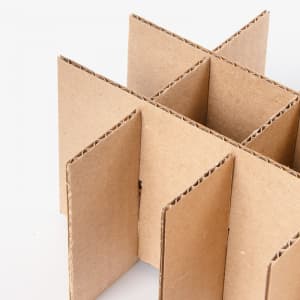
- Inserts and dividers to keep products steady inside
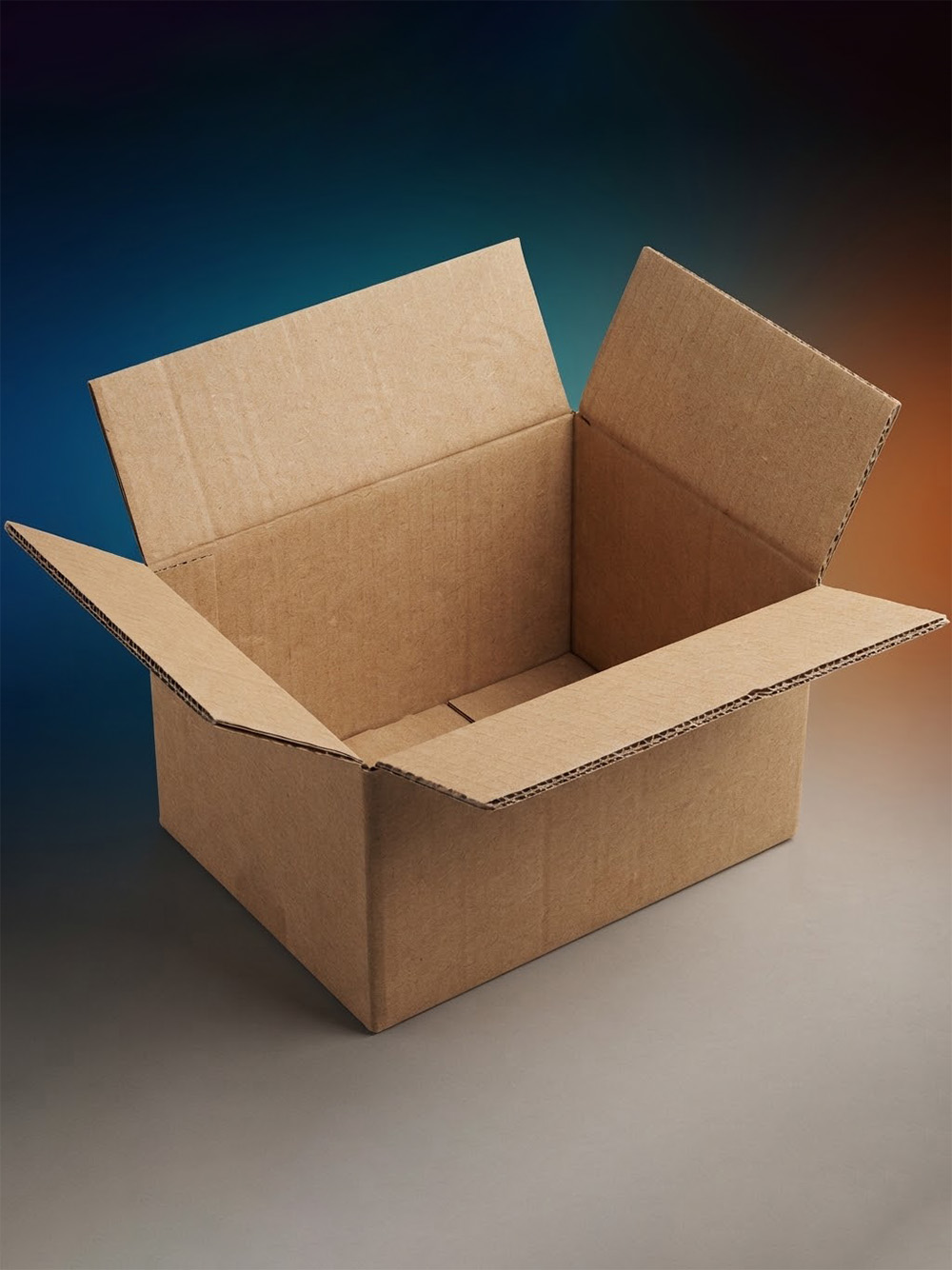
Tri Wall vs. Double Wall Boxes and Wooden Crates
The right choice depends on the load, so here’s how the three options compare in plain terms. When double wall is enough. If a double wall box handles your product comfortably, it can save you money and weight. We’ll tell you if that’s the case. Tri wall isn’t always the answer.
When tri-wall makes sense. Think heavy point loads, tall pallet stacks, long or multi-stage shipping routes, or products valuable enough that you can’t risk a crushed corner.
When a wooden crate may still be needed. Some very heavy or unusual loads need wood, or a mix of materials. If your load is one of them, we’ll say so rather than sell you a box that won’t do the job.
Many shippers choose tri wall because it can replace a crate for a lot of heavy products while weighing less and being easier to handle. Whether it can replace yours depends on the product and the route, which is a good thing to talk through before you order.
How to Choose the Right Box
Start with the product, then work outward.
- Weigh and measure it. You need the real numbers, not estimates from a spec sheet.
- Find the pressure points. Note where weight rests on the base and whether any part is heavier than the rest.
- Map the journey. Count the times the box will be lifted, stacked and moved, and note any long hauls or humid storage.
- Think about fragility. If the product needs cushioning, plan for inserts early.
- Ask for a recommendation. Share the details with us, and we’ll suggest a build.
A common mistake is choosing a custom tri-wall box that fits the product’s footprint but ignores how the weight is distributed. The box looks right on paper, then the base gives way under a concentrated load. Matching the board to the real load is where most of the value is.
Not everything you ship needs this much board. If you also sell smaller products, we make kraft candle boxes for candles and home goods, retail cardboard boxes for everyday product packaging, and cardboard counter display boxes for showing products at a checkout counter or on a shelf. Choose the box that matches the product, and we’ll help you figure out which one that is.
Ready to talk about your load? Request a quote and send us your product size, weight and shipping details. We’ll help you find a tri wall box that fits.
Frequently Asked Questions
What are tri wall boxes made of?
They're made from triple-wall corrugated cardboard: three fluted layers between four layers of linerboard, for seven layers of paper in all.
Are tri-wall and triple-wall the same thing?
Yes. Both terms describe the same three-flute, four-liner construction. "Tri-Wall" is also used as a brand name in some markets, so "triple wall" is the safest term when you're searching.
What's the difference between double wall and triple wall boxes?
A double wall box has two fluted layers, and a triple wall box has three. The extra layer gives a triple wall box more resistance to crushing and punctures, which is helpful for heavier loads, taller stacks and longer trips.
Can a tri wall box replace a wooden crate?
For many heavy products, yes. It's lighter, has no nails or splinters, and can be printed. Whether it suits your load depends on the weight, shape and route, so share your details and we'll tell you honestly.
How much weight can a triple wall box hold?
It depends on the board grade, flute type, box size and style, and on how the weight is distributed. We don't quote one number for every box. Tell us about your product and we'll recommend a build for it.
Can you make tri wall boxes in custom sizes?
Yes. Boxes are made to your dimensions, and we can talk through flute and liner options, printing and inserts.
Can I print on triple wall boxes?
Yes. We offer printing options for logos, handling marks and instructions.
Are tri wall boxes recyclable?
Yes. They're made from paper-based corrugated board, which goes through standard recycling streams. Remove any plastic tape or non-paper fittings first.
How do I order?
Request a quote and tell us your product's dimensions, weight and how it will ship. We'll come back with a recommendation.