Display boxes in the USA are manufactured using high-quality cardboard, Kraft paper, and rigid materials. Provided employing eco-friendly, biodegradable, and sustainable materials to meet the green standard

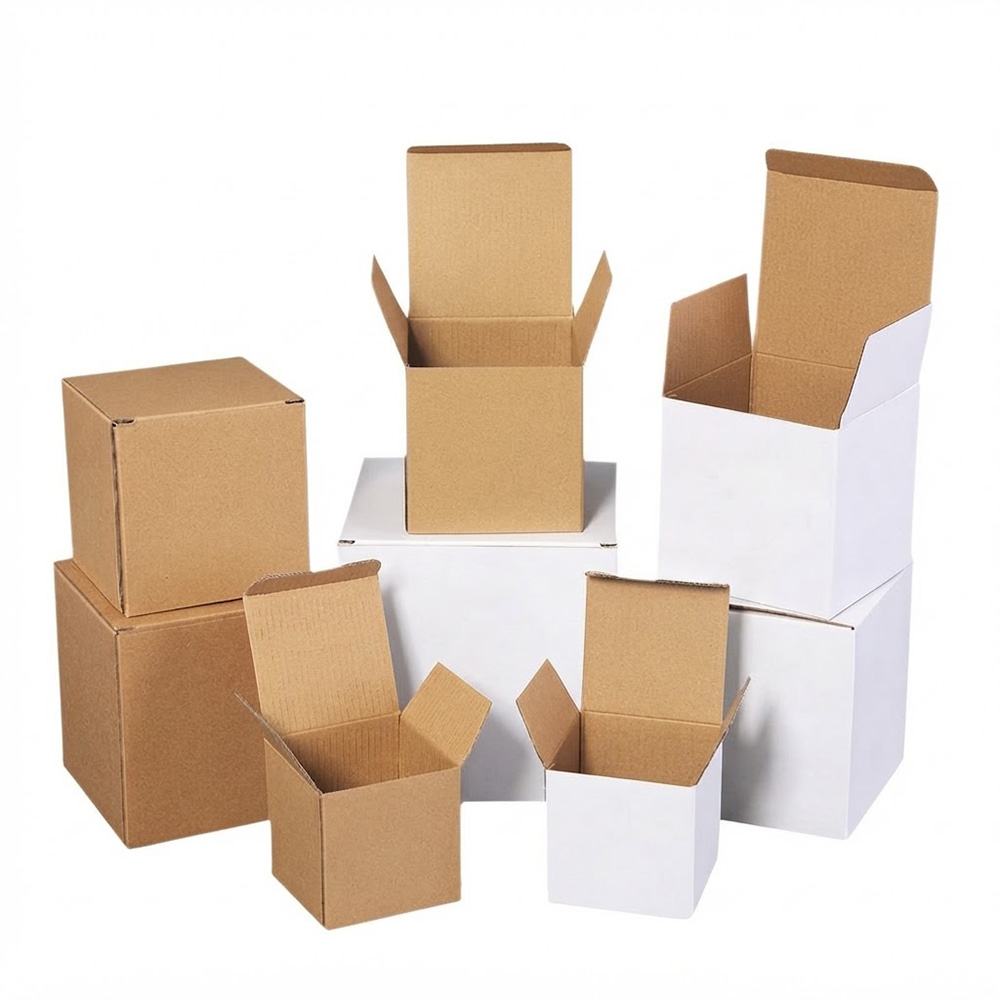
No, and this mix up causes more wrong orders than almost anything else in packaging. A paperboard is a single, dense sheet of compressed paper fiber, thicker than regular paper but thinner and more rigid than corrugated board. Think cereal box, shoe box, or a folding carton. Cardboard is the everyday word people use for almost anything box shaped, but in the trade it usually means corrugated board specifically, a fluted middle layer glued between two flat liners, which is what gives it real crush resistance for shipping and heavier products.
If your product is lightweight, sold mostly for its look on a shelf, or needs to fold flat and assemble easily, paperboard is usually the right call and the more cost effective one. If it needs to survive a delivery truck, stacking, or rough handling, you want corrugated. Getting this backwards is the single most common reason a first order comes back wrong.
Paperboard isn’t one material, it’s a category with real differences between grades, and this is usually where a spec sheet stops making sense to anyone outside the industry.
Which one you need depends on the same two questions every time: does this box need to look premium under store lighting, or does it mainly need to protect the product and keep cost per unit down.

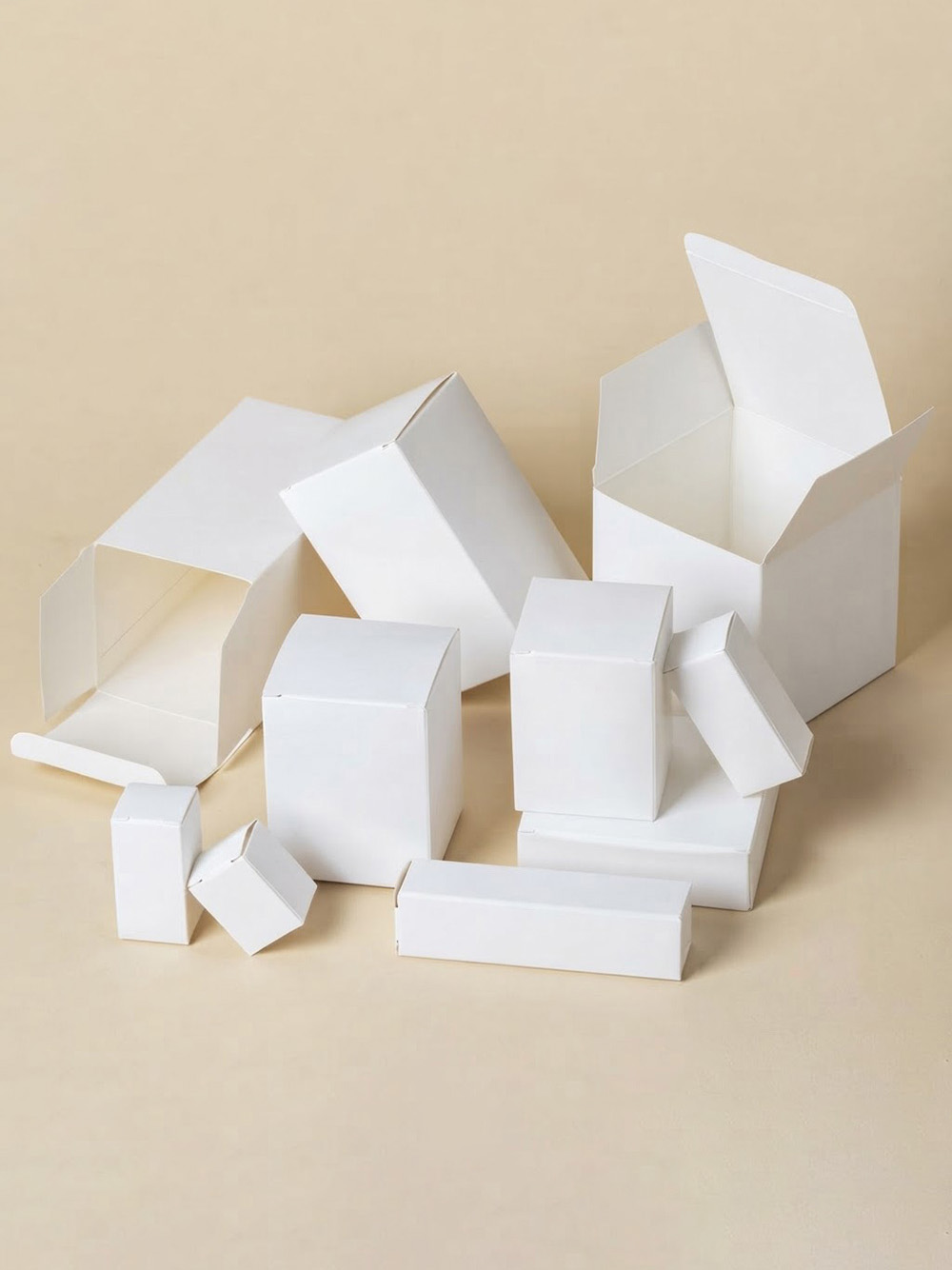
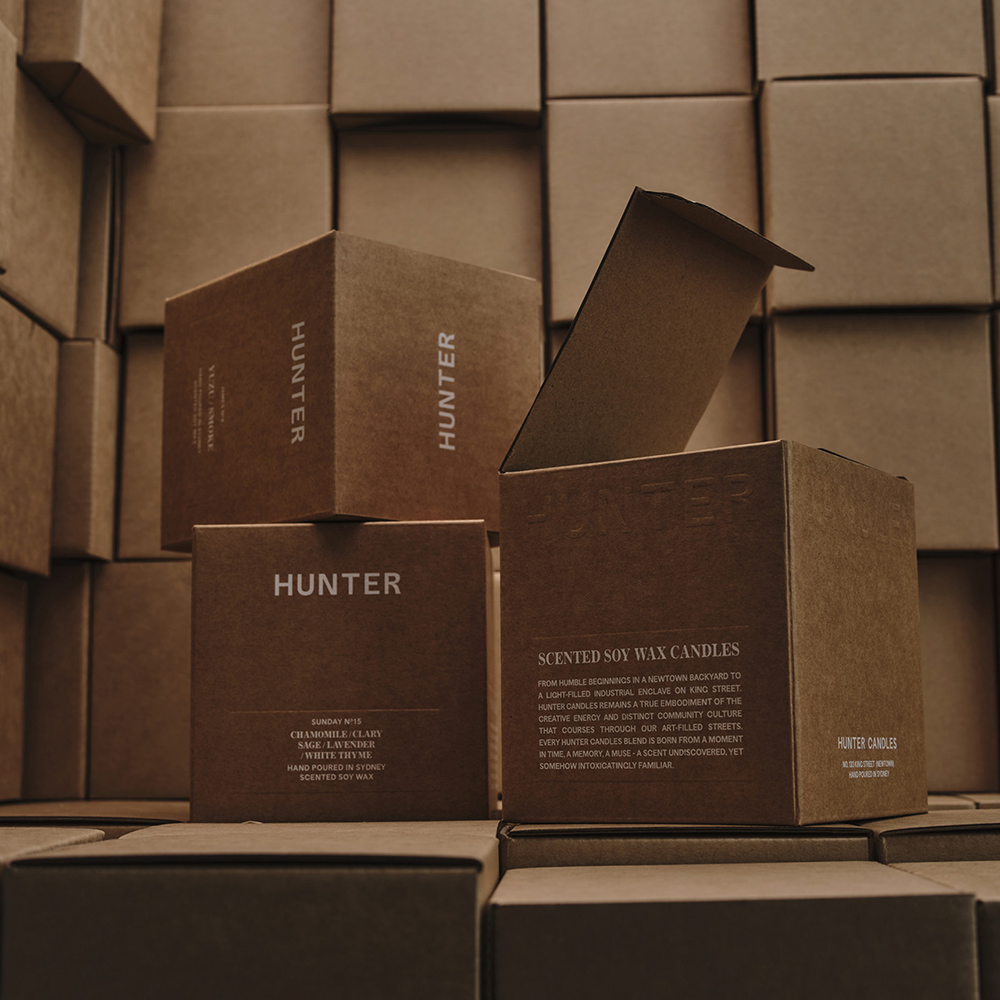
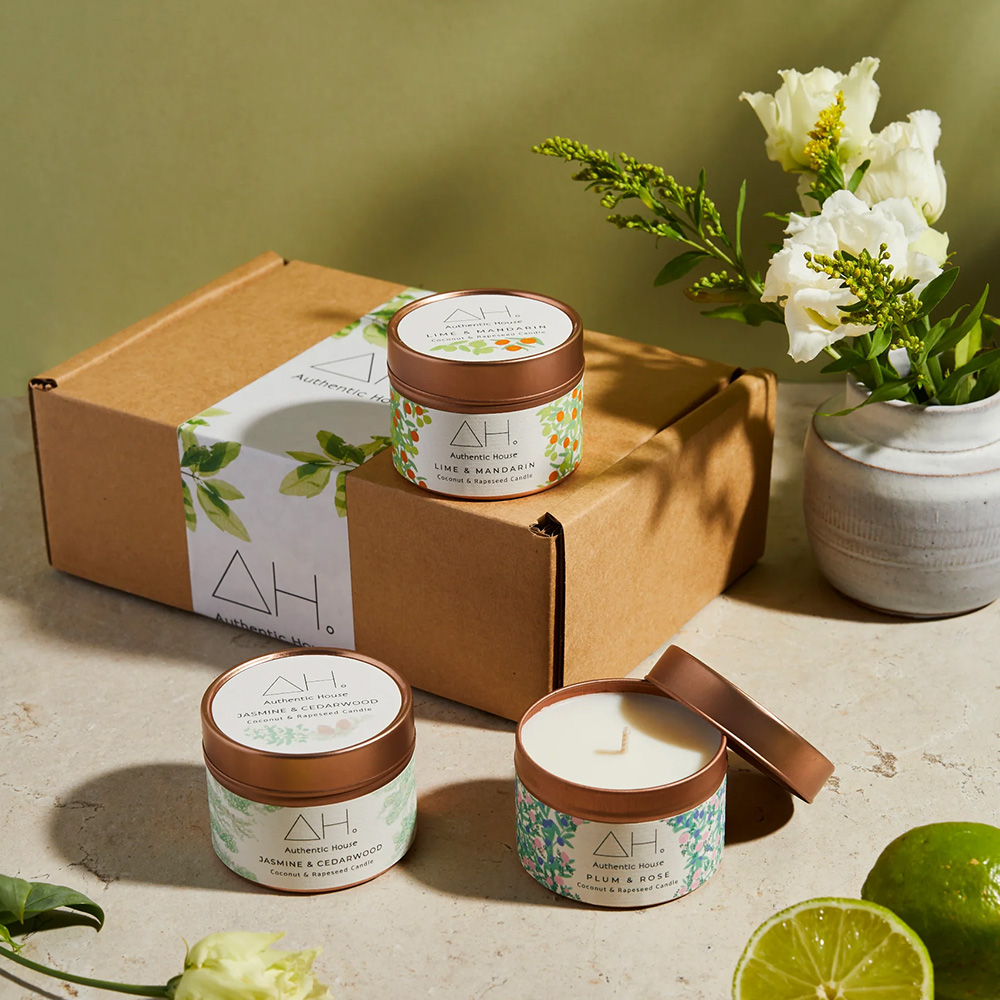
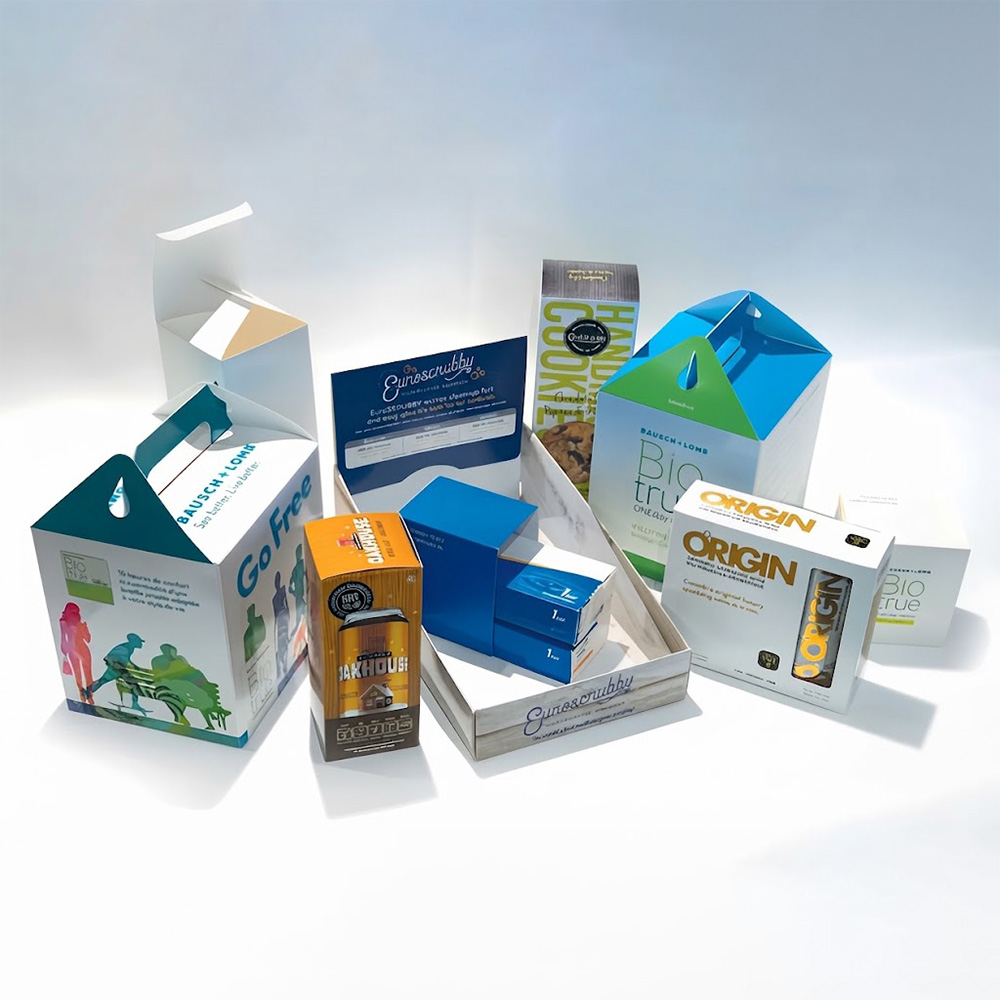
This is broader than most people expect, because paperboard shows up anywhere a box needs to be lightweight, printable, and foldable rather than heavy duty. In our own catalog, that includes retail cardboard boxes built for shelf presence, cardboard candle boxes sized around fragile glass jars, cardboard display boxes for point of sale and counter placement, and cardboard insert and rigid boxes for premium gift style packaging. Heavier duty applications like shipping cardboard boxes and cardboard pizza boxes move into corrugated board territory instead, where crush resistance matters more than surface finish.
Standard paperboard cartons come in stock shapes, but plenty of products don’t fit a standard cavity, an oddly shaped item, a multi compartment set, or a specific window cutout. Our die cut cardboard boxes process builds the box structure around the actual product rather than fitting the product into an existing template.
Most paperboard, both SBS and CRB grades, is recyclable through standard curbside programs, and FDA compliant grades exist specifically for direct and indirect food contact, which matters if you’re packaging anything edible or sold alongside food. The exception is a board that’s been heavily coated with certain laminates or contaminated with grease and moisture, similar to why a greasy pizza box section often can’t go in the recycling bin even though the base material is the same paper fiber as a clean one.
To be straightforward about it, we’re not a paper mill. We don’t sell paperboard by the roll or the pallet the way an industrial supplier does. What we do is take the right grade of cardboard or paperboard for your specific product and manufacture it into a finished, custom sized, custom printed box, whether that’s a retail carton, a shipping box, a candle box, or something fully custom through our die cut process. If you came here trying to understand the material before deciding what to order, the product pages linked throughout this guide are the next step.
Retail cartons, candle boxes, display boxes, cosmetics and gift packaging, cereal and food boxes, and folding cartons generally. Anything that needs to be lightweight, printable, and foldable rather than built for heavy impact resistance.
The main grades are SBS (solid bleached sulfate, premium print quality), CRB (coated recycled board, everyday packaging), kraft paperboard (uncoated, natural strength), and chipboard (thin, often used as inner structure rather than the visible surface).
No. Paperboard is a single dense sheet, used for retail and folding cartons. Cardboard usually refers to corrugated board, a fluted layer between two liners, used where crush resistance matters more than surface finish.
Folding cartons, cereal and food boxes, cosmetics packaging, retail display boxes, candle boxes, shoe boxes, and rigid gift boxes are common paperboard products, while shipping cartons and pizza boxes are typically corrugated instead.
Yes, in most curbside programs, provided it isn't heavily coated with certain laminates or contaminated with grease or moisture.
Yes, FDA compliant grades exist specifically for direct and indirect food contact, which is worth confirming with your supplier if you're packaging anything edible.
Cardstock is typically a lighter, thinner paper product used mostly for printing, cards, and inserts. Paperboard is thicker and structural enough to be formed into an actual box.
If it's lightweight and sold mainly on shelf appeal, paperboard is usually the right and more cost effective choice. If it needs to survive shipping, stacking, or rough handling, corrugated cardboard is the one built for that job.