


Retail Cardboard Boxes
Ask ten people what “retail cardboard boxes” are, and you’ll get ten different answers – and that’s the actual problem most buyers run into before they ever get a quote. Retail display packaging isn’t one product. It’s a construction decision, and getting it wrong means either overpaying for strength you didn’t need or shipping a box that collapses on a store shelf. I’ve spec’d retail packaging for small brands going into their first 20 stores and for wholesalers restocking hundreds of accounts a season, and the questions are always the same four. Let’s go through them properly.
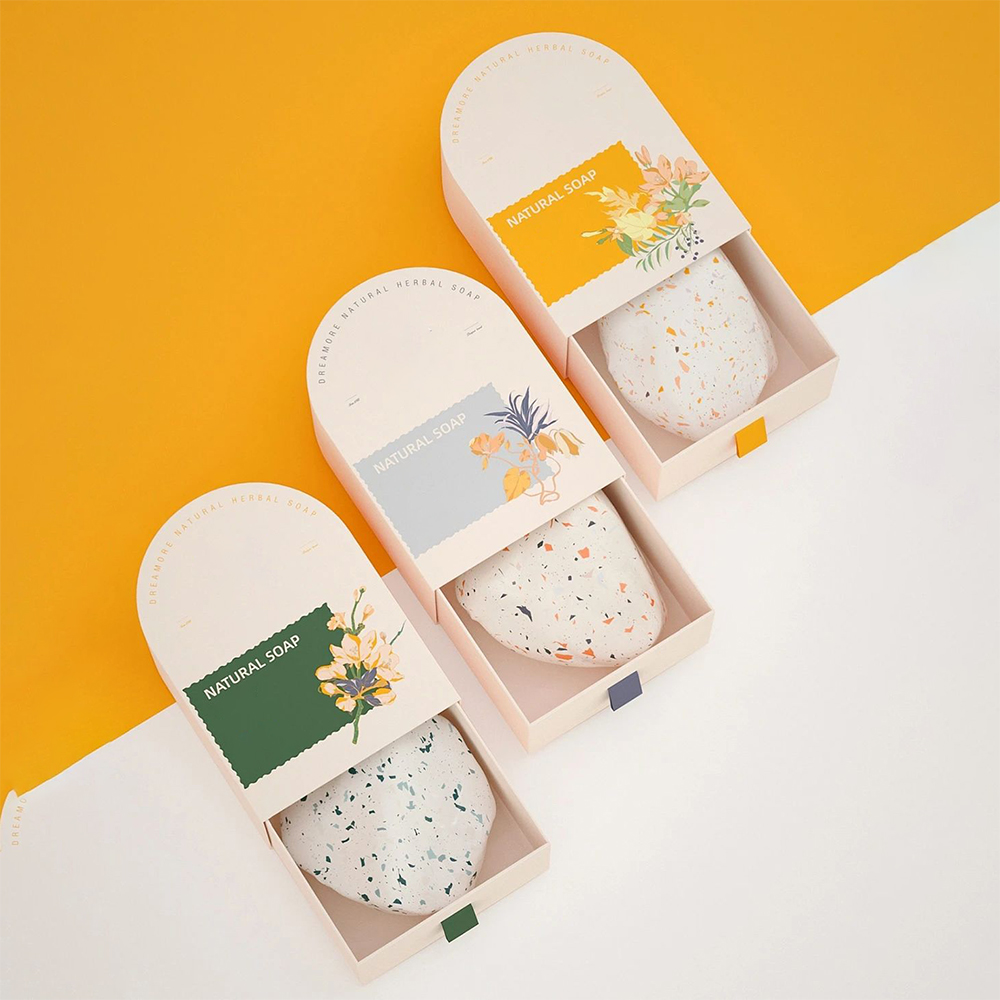
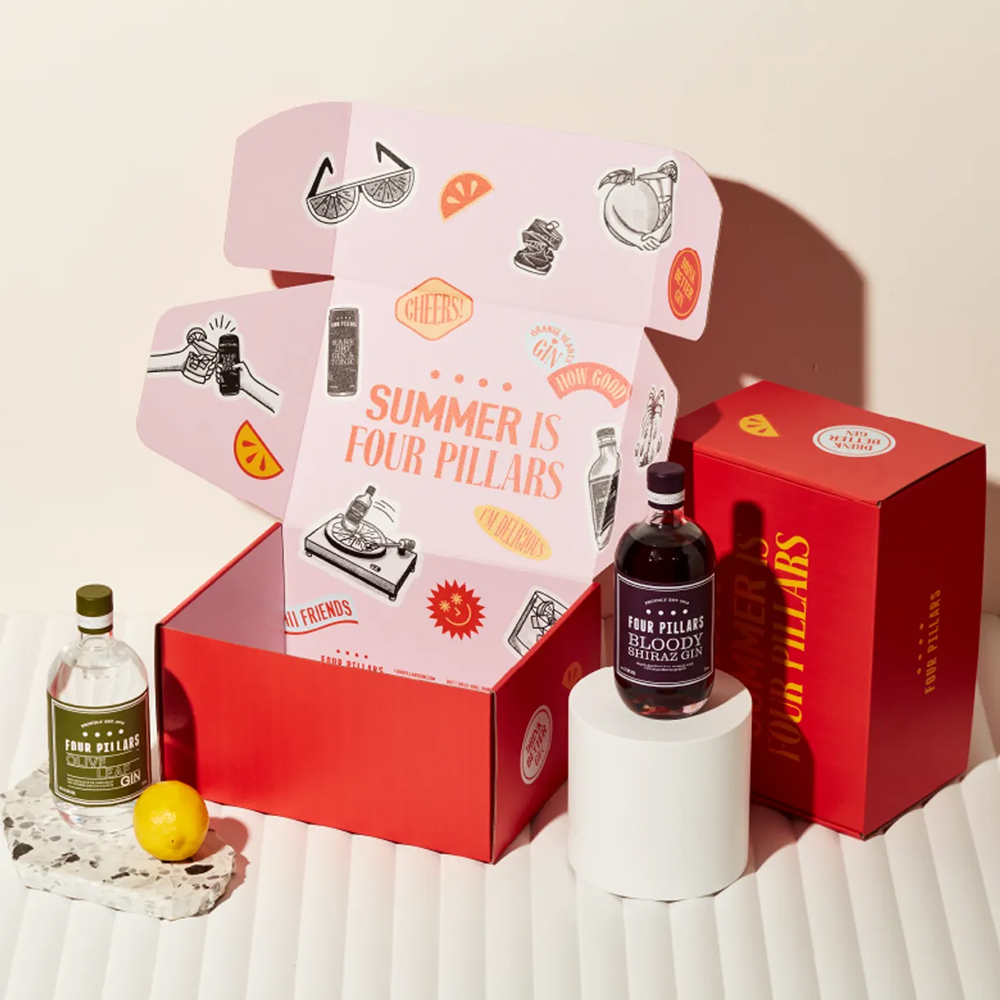
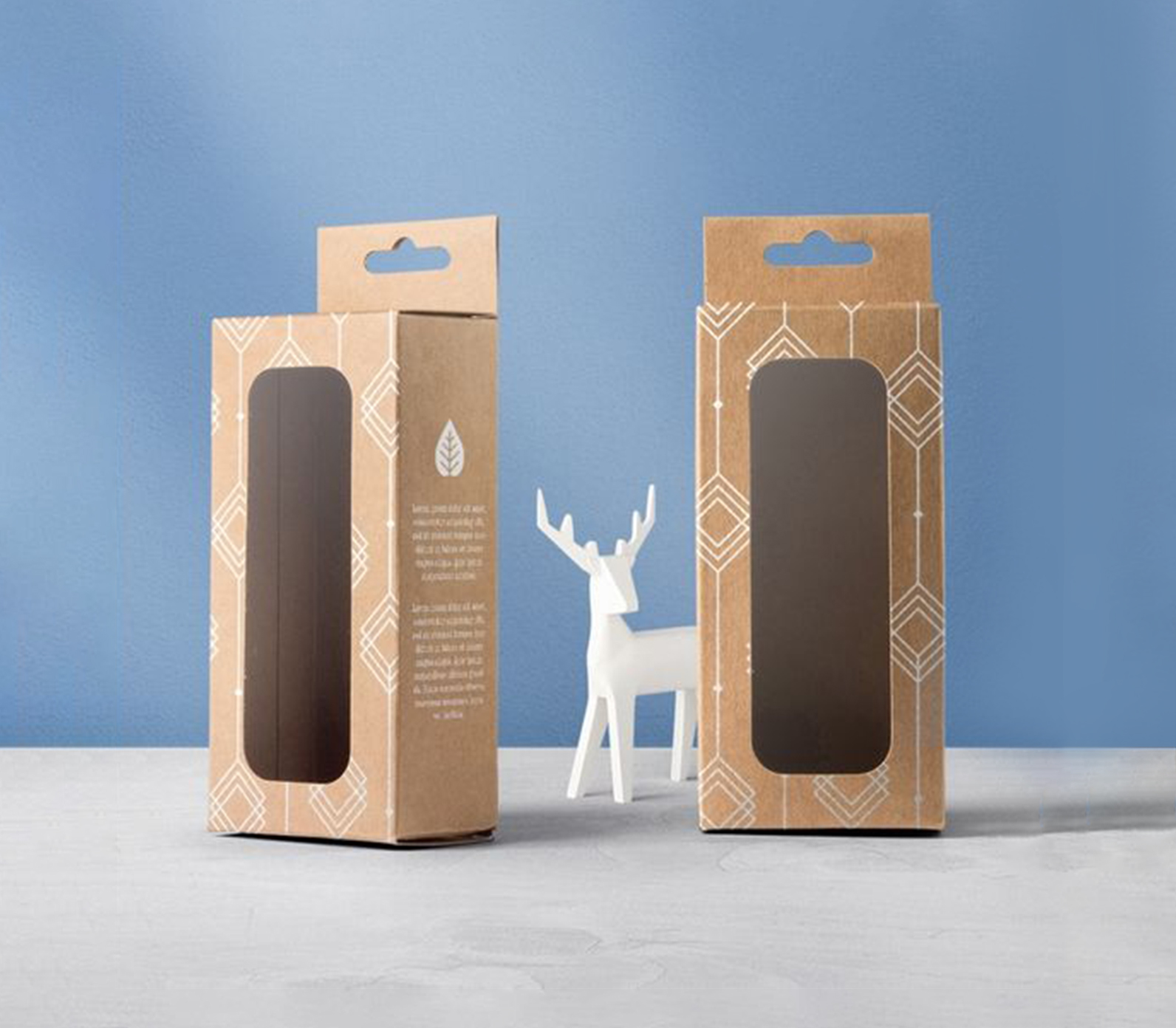
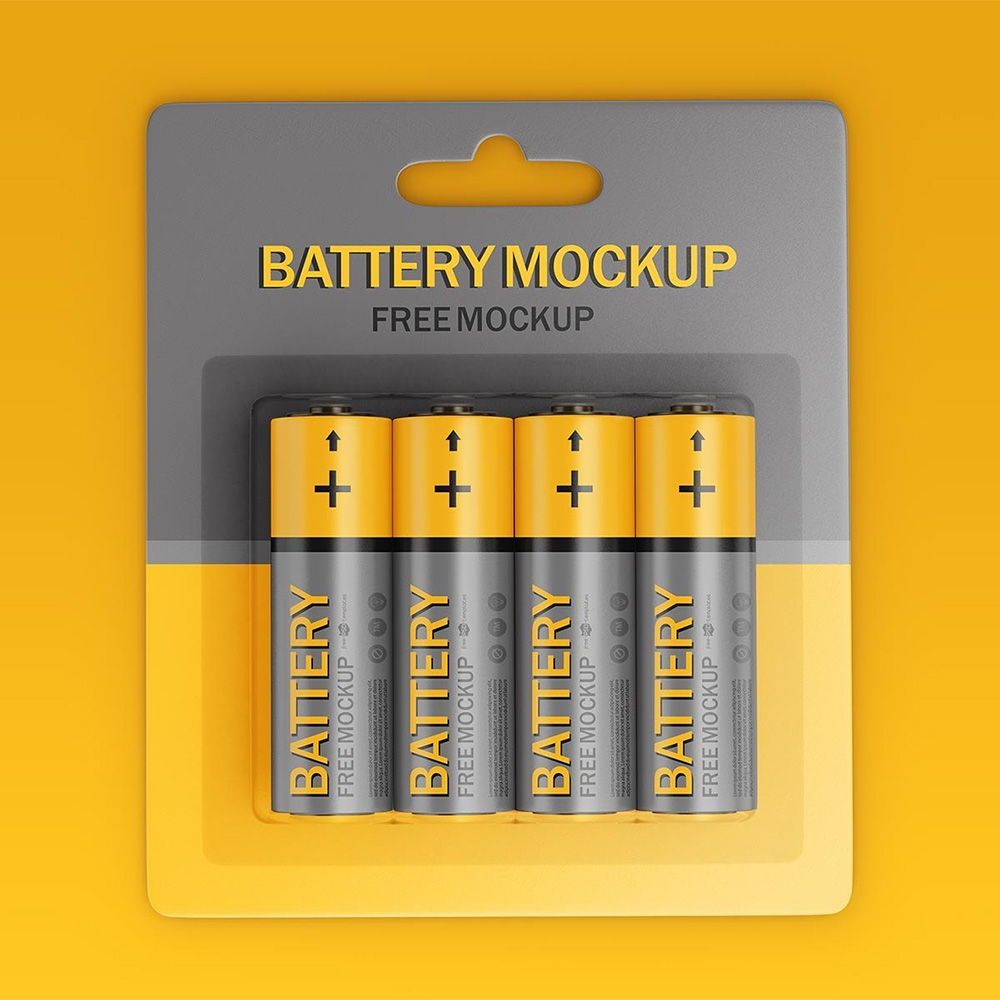
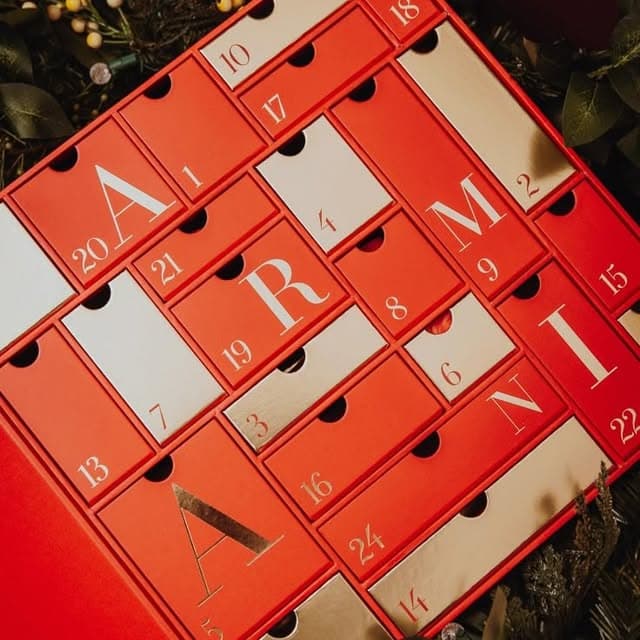
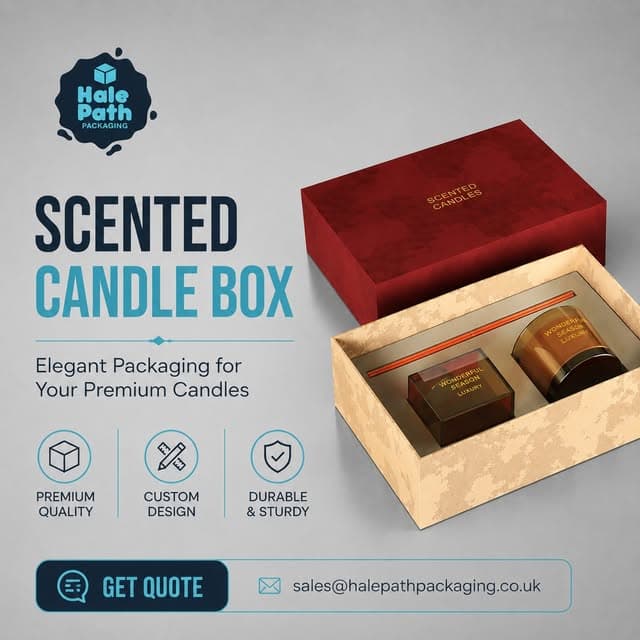
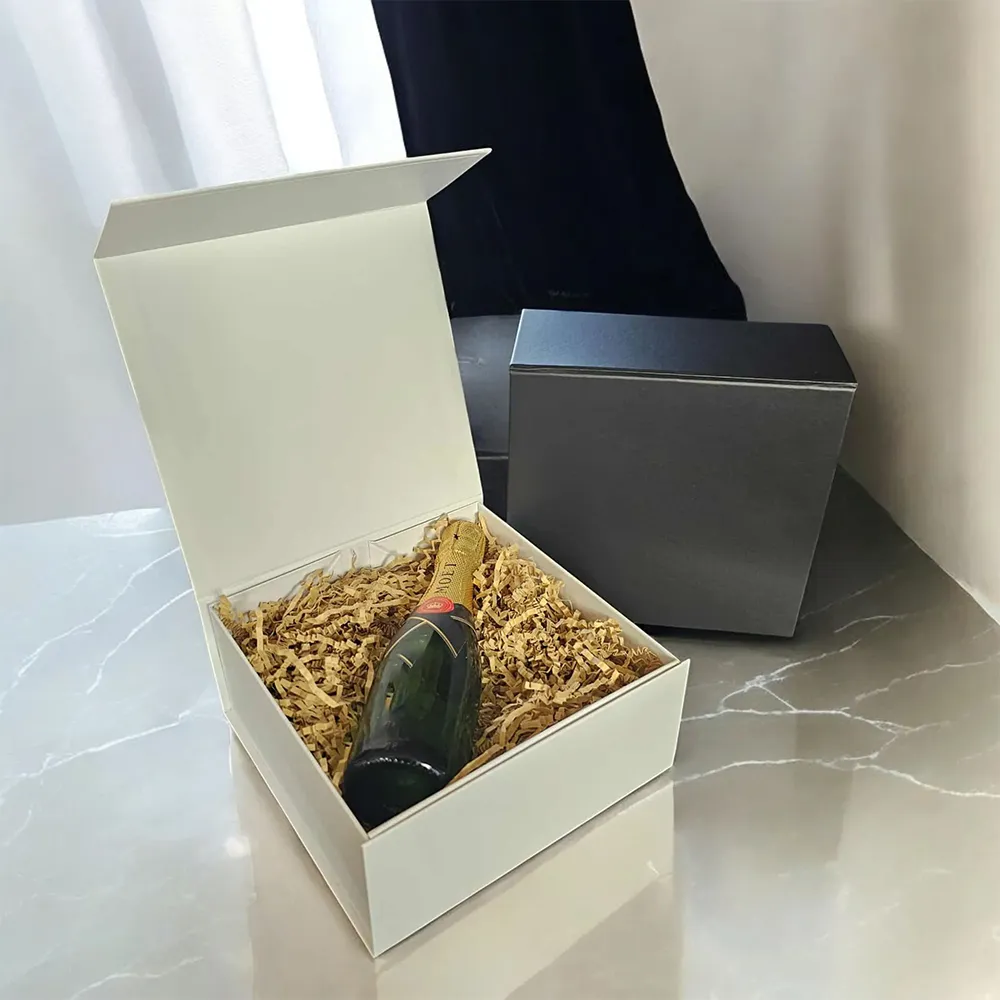
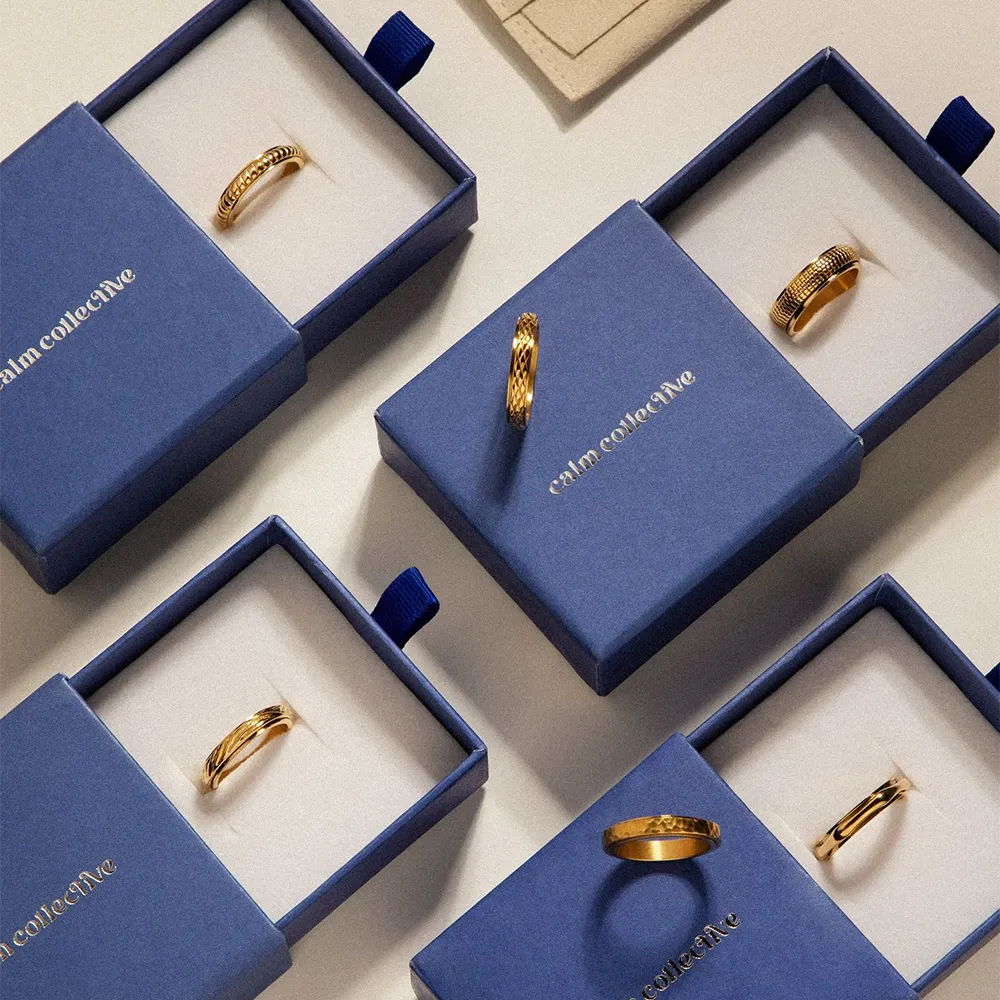
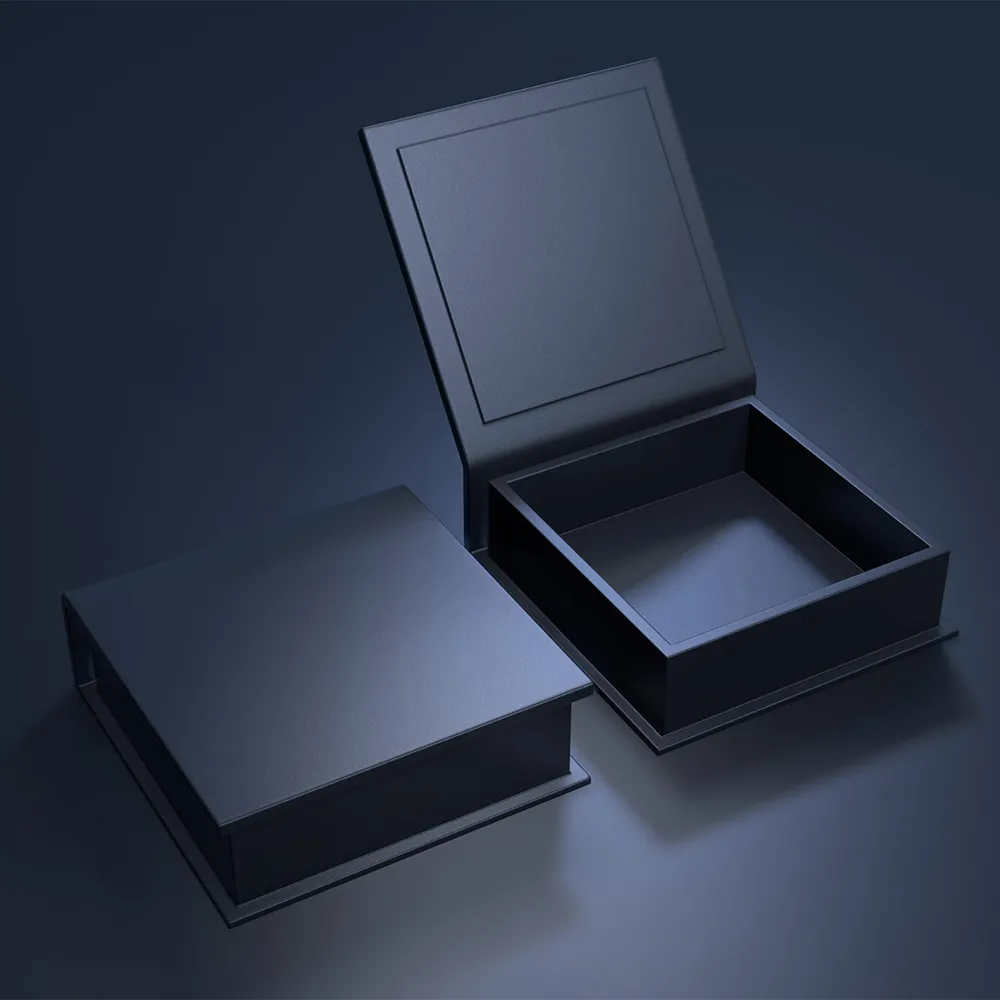
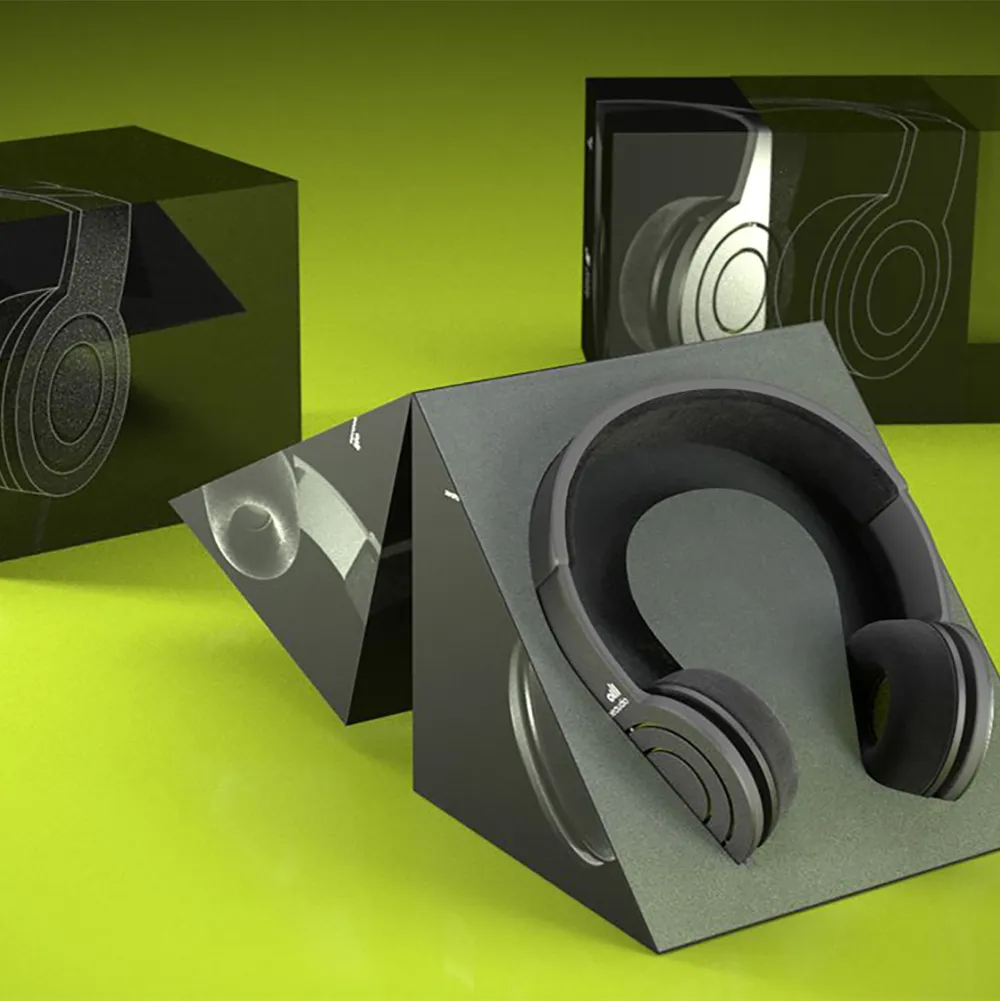
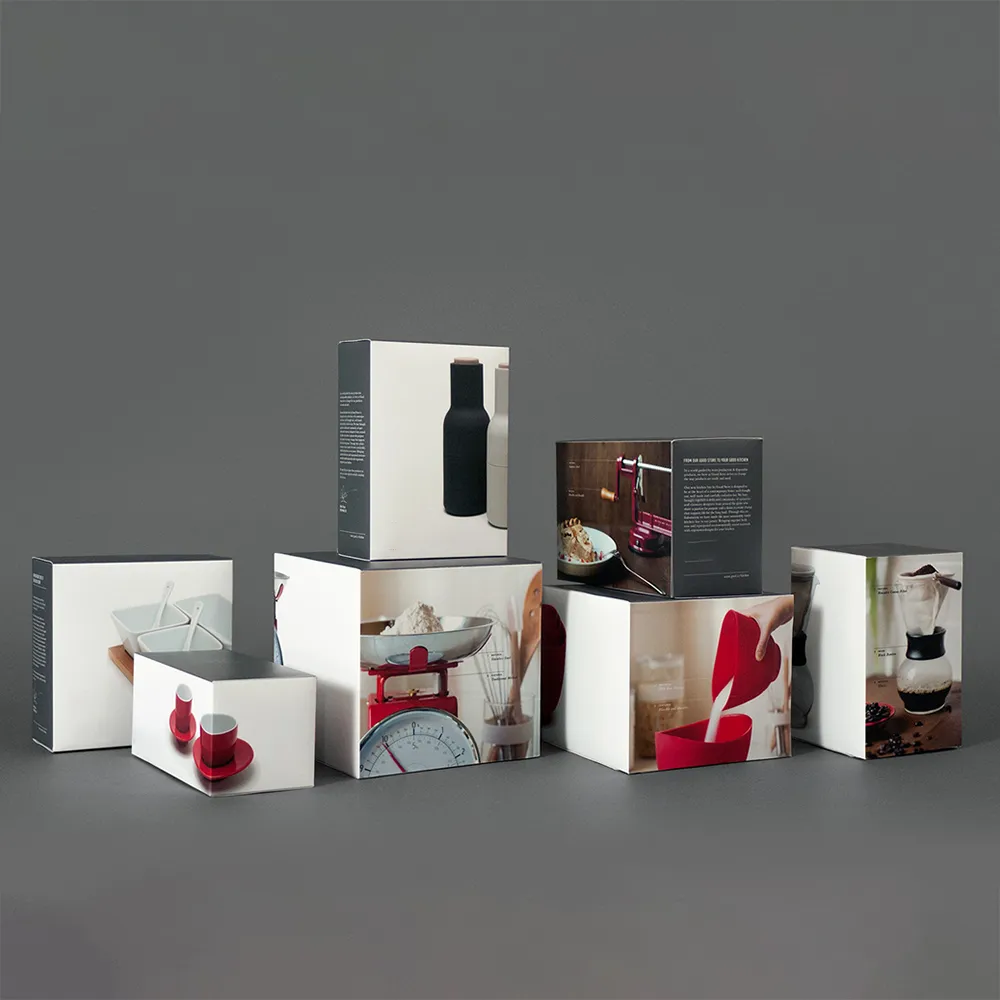
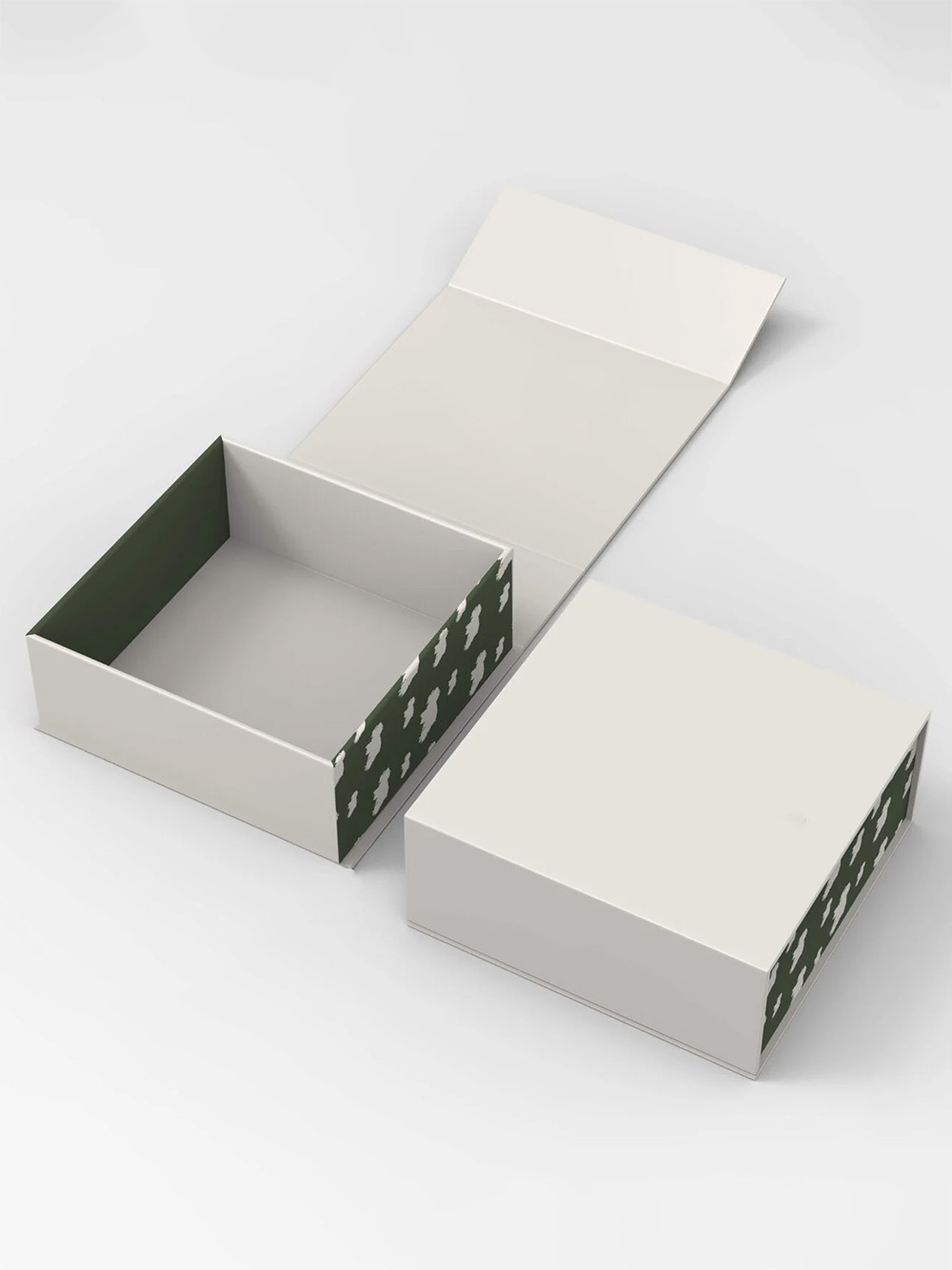
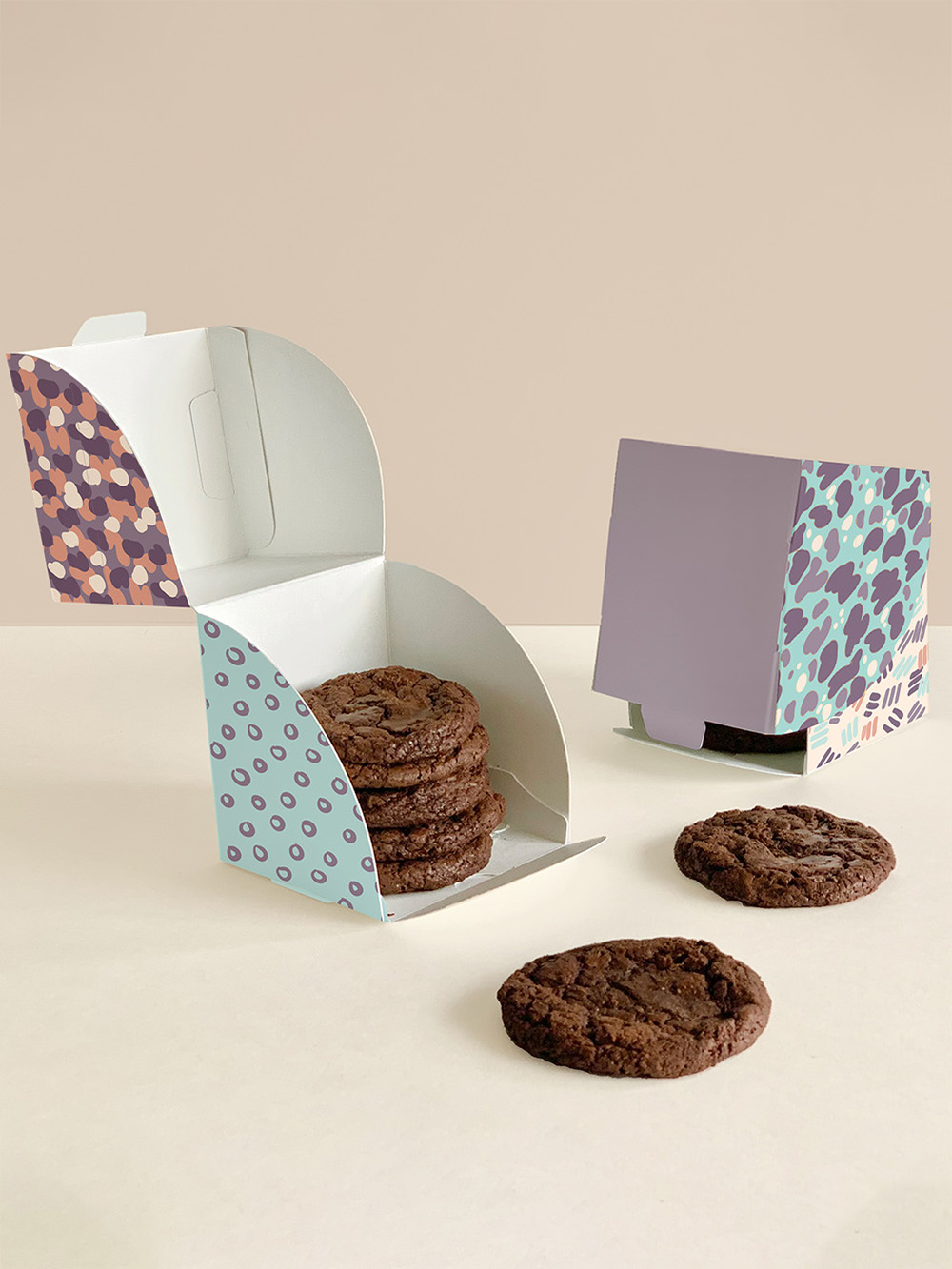
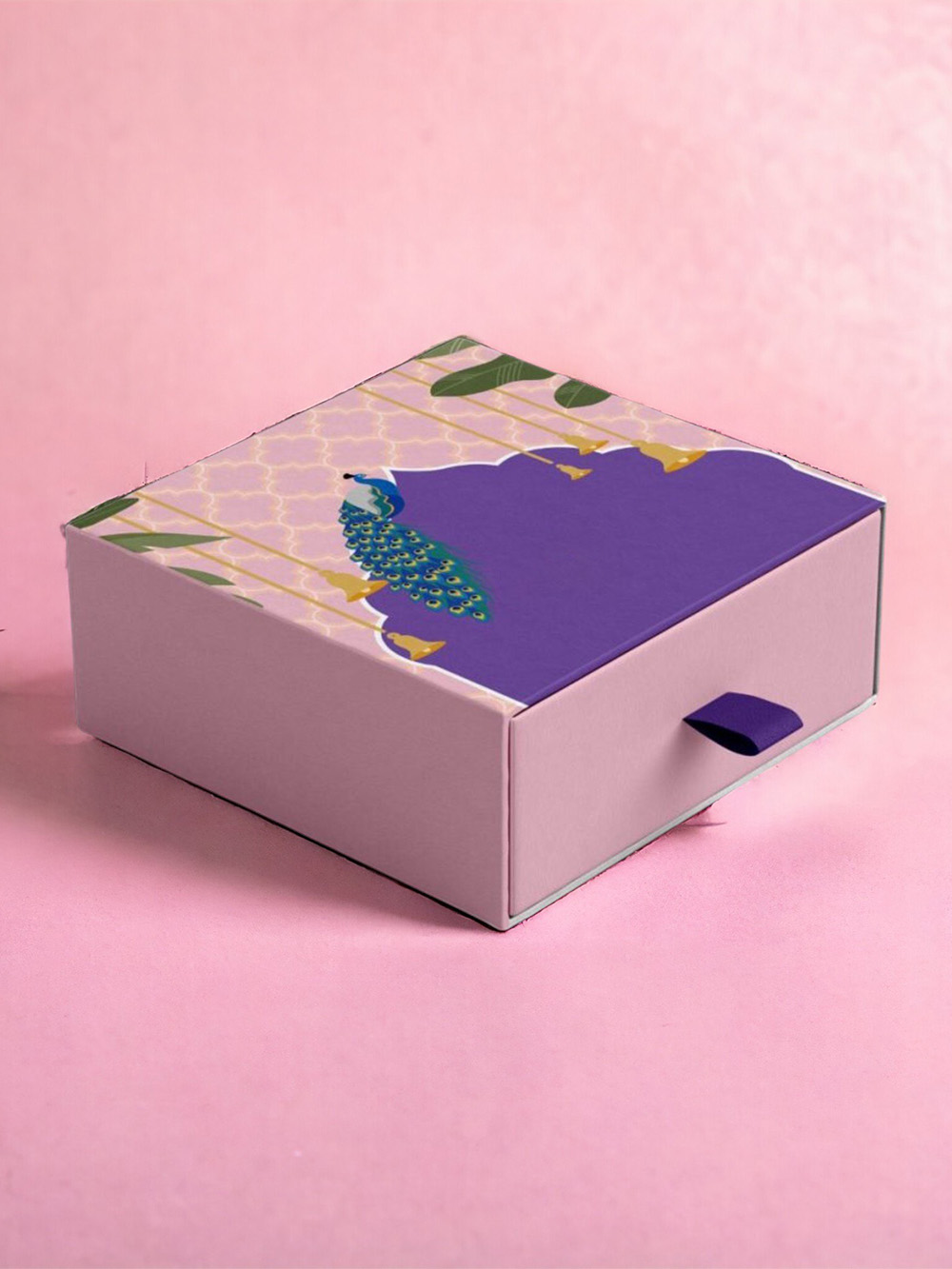
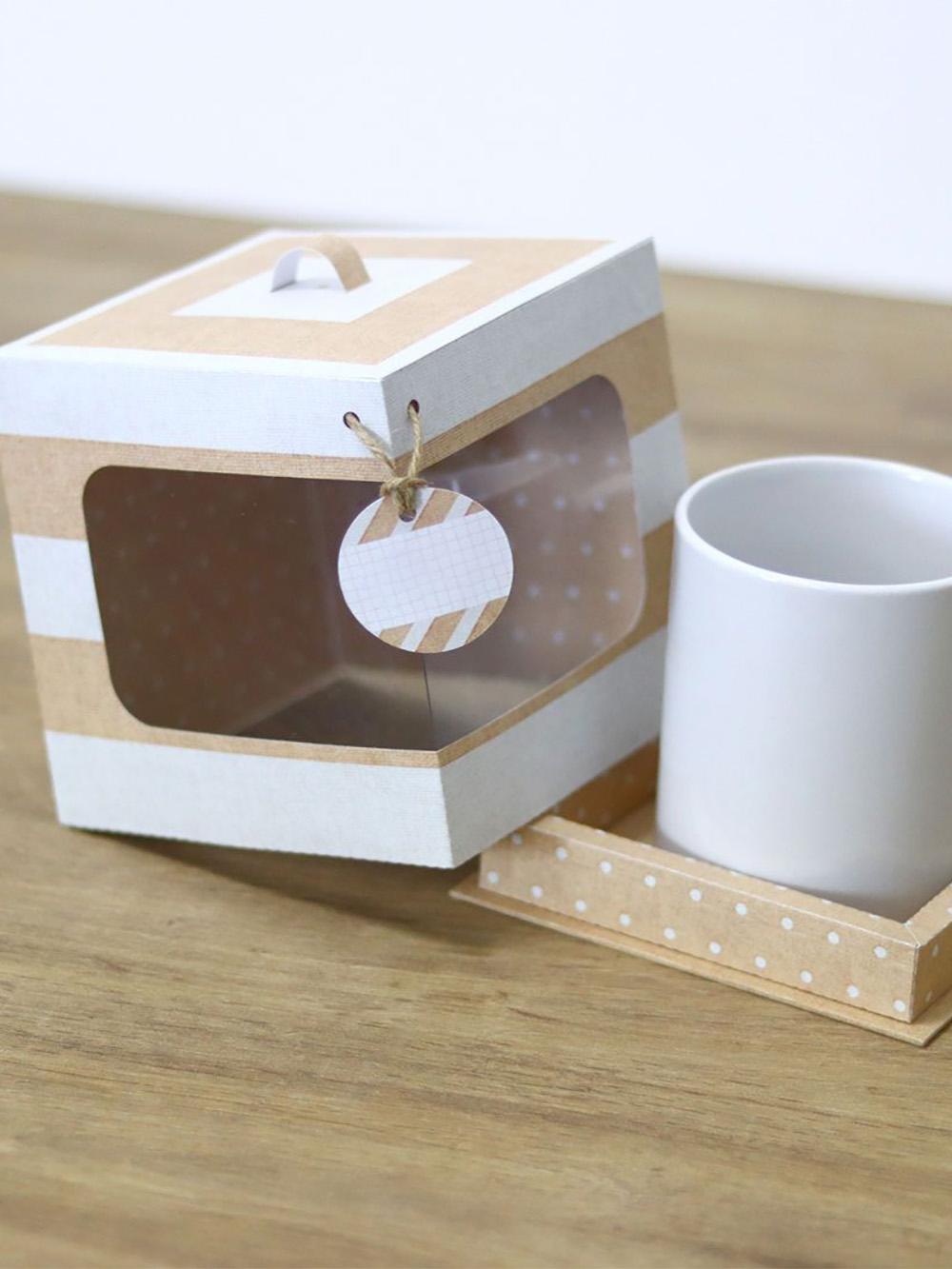
Retail Cardboard Boxes Gallery
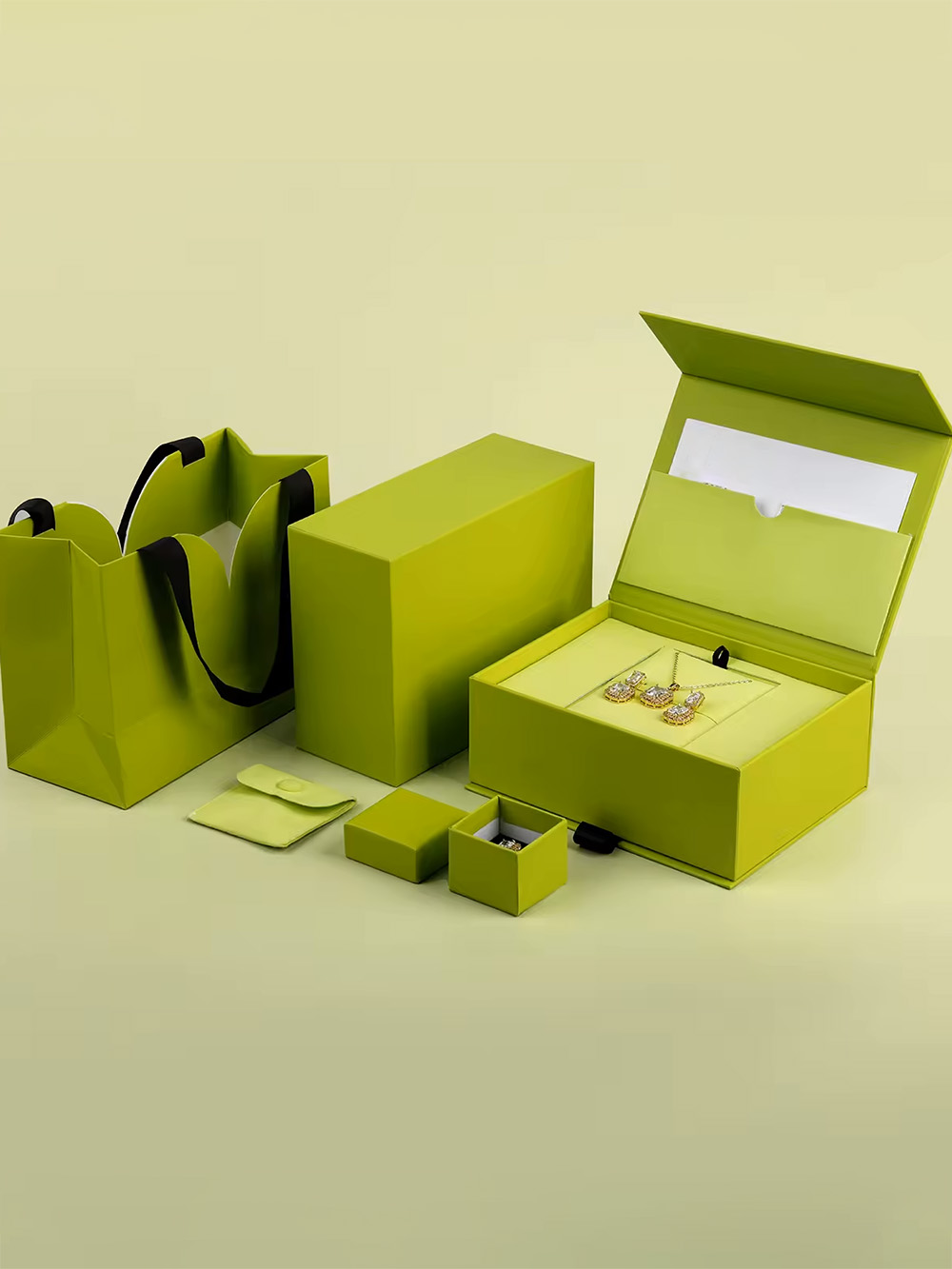

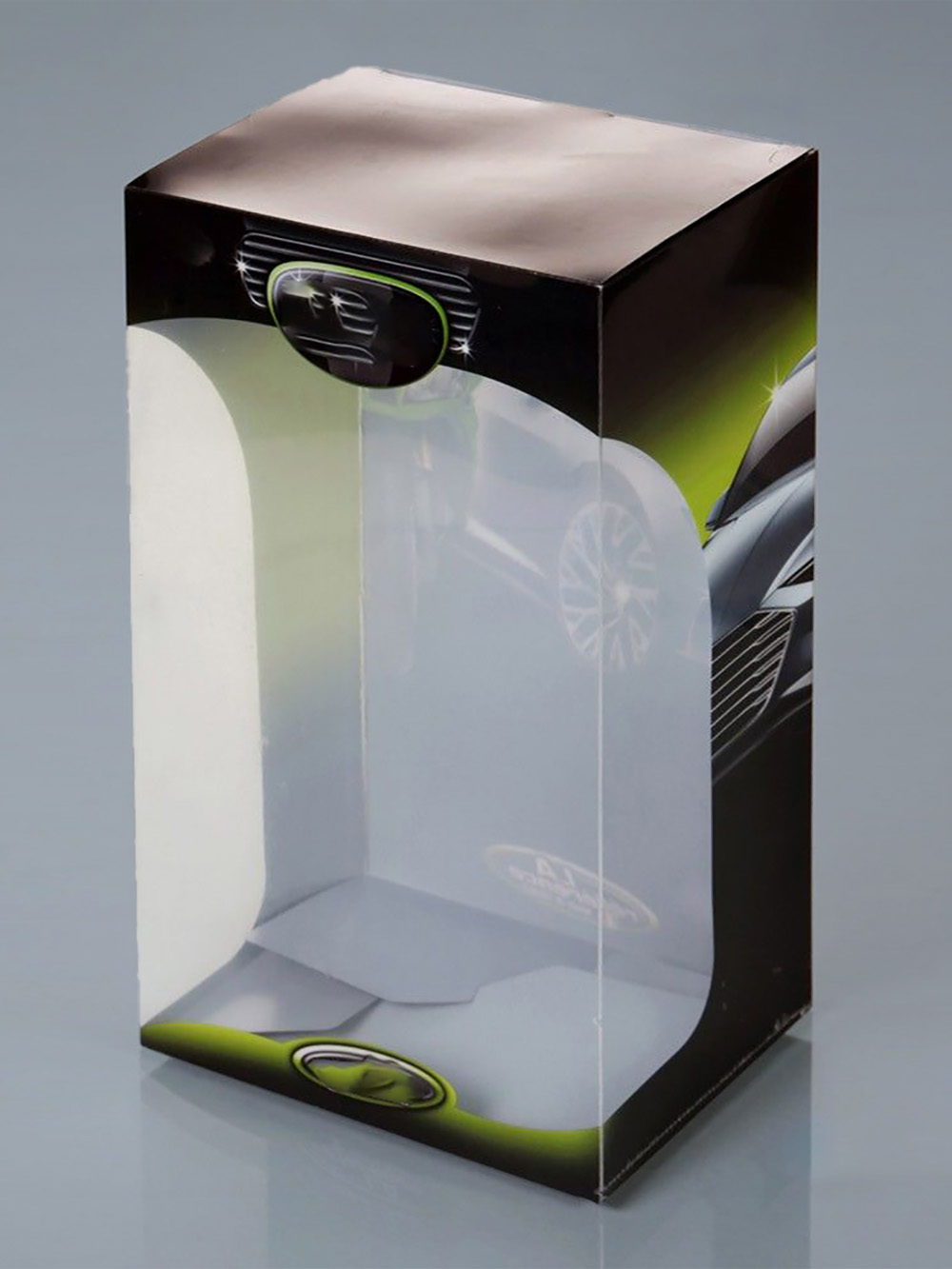
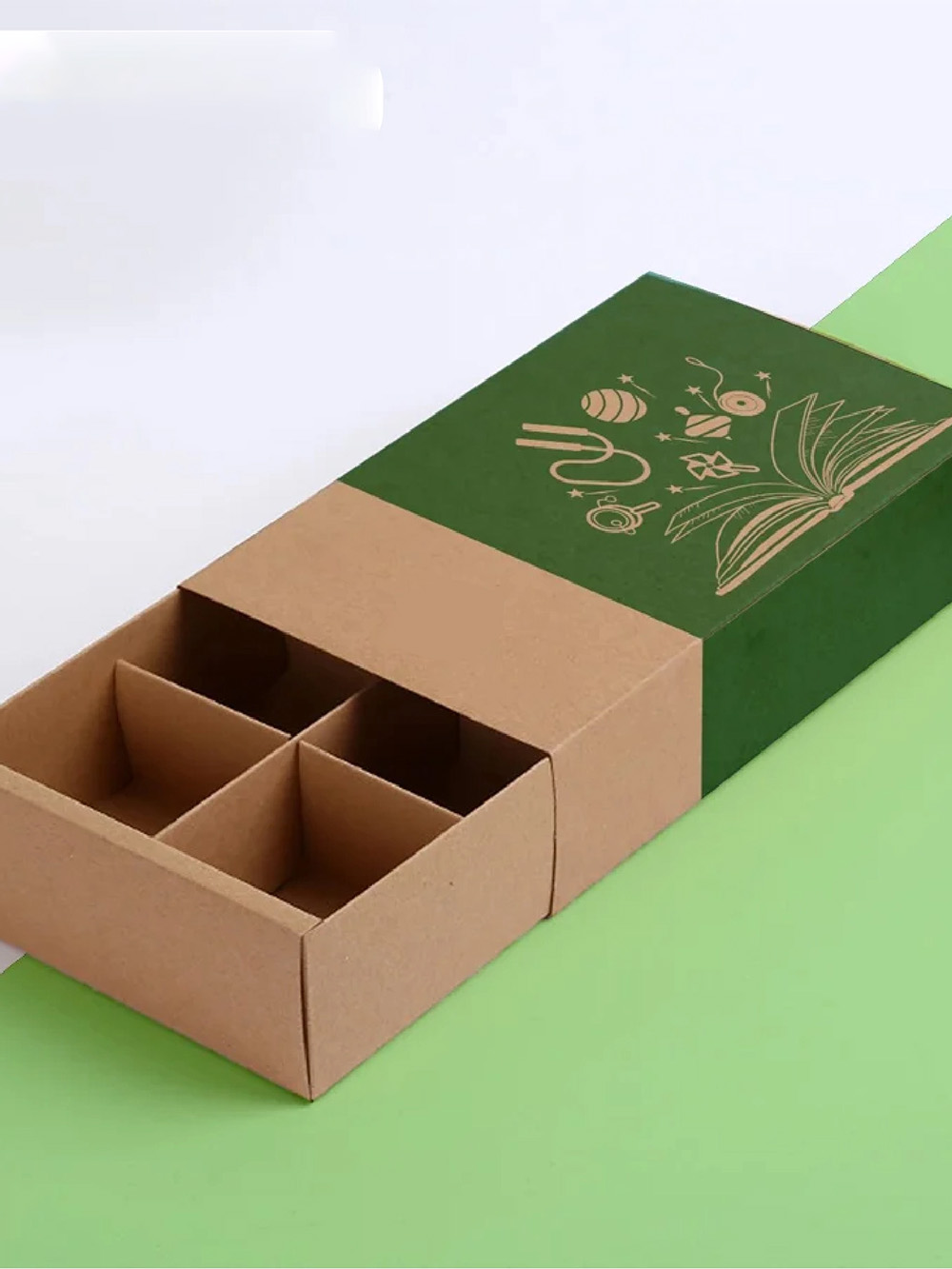

What's Actually the Difference Between Retail Cardboard Boxes and a Shipping Box?
This is the question almost nobody answers clearly, and it’s the reason so many retail buyers end up with the wrong box on their first order.
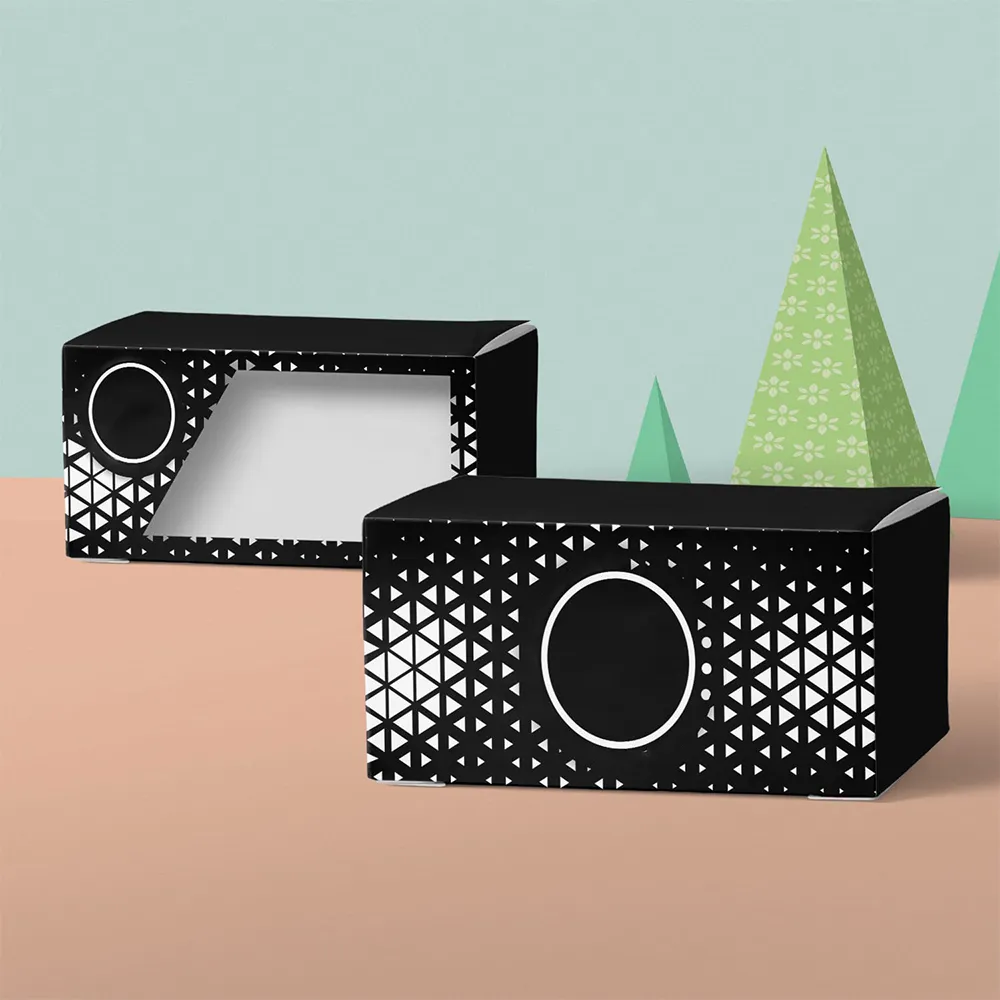
A retail display box is built to be seen. It’s the box your product sits in on a shelf, in a display, or in a subscription unboxing – construction and print quality matter as much as strength, because a customer is looking directly at it. A shipping box is built to survive a truck, a conveyor belt, and a delivery driver – it prioritizes crush resistance over appearance, and it’s rarely meant to be seen by the end customer at all.
Retail cardboard boxes generally come in three constructions, and which one you need depends entirely on the product going inside:
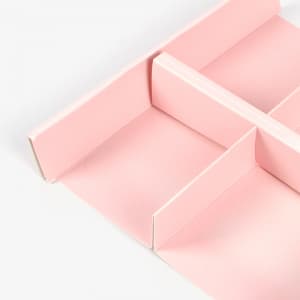
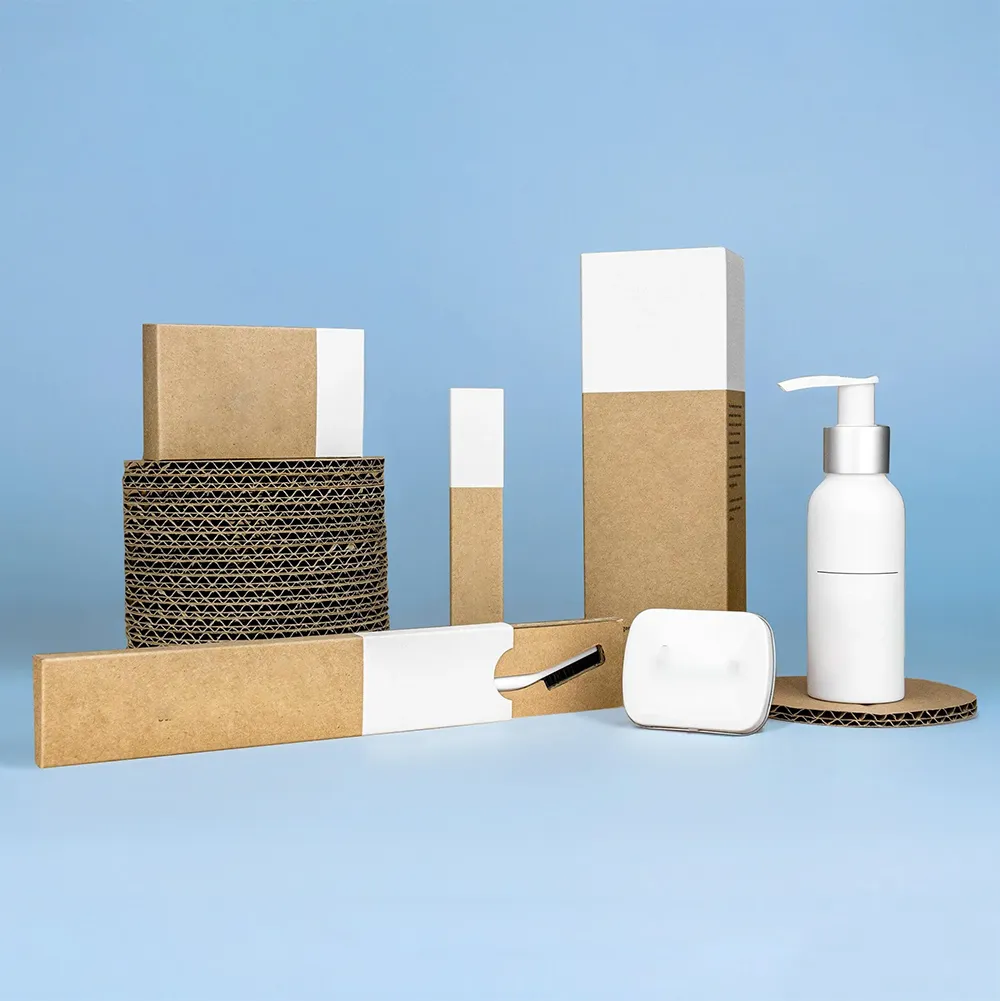
Rigid cardboard (also called setup boxes) – a thick, non-folding board, often wrapped or laminated, used for premium retail presentation like electronics, cosmetics, or gift sets. Strongest visual impact, highest cost per unit.
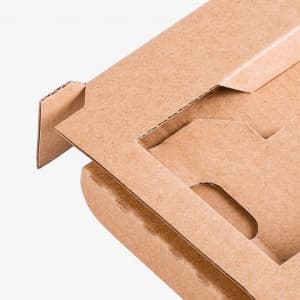
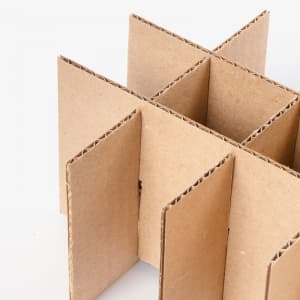
Corrugated retail board – the fluted, three-layer construction most people picture when they hear “cardboard.” Built for durability first, but still fully printable for shelf-ready branding. This is the right call when your product needs to survive both a shipment to the store and handling once it’s there.
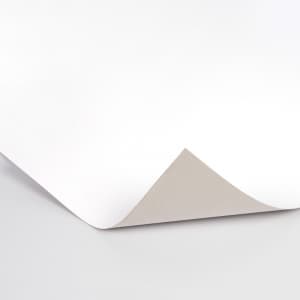
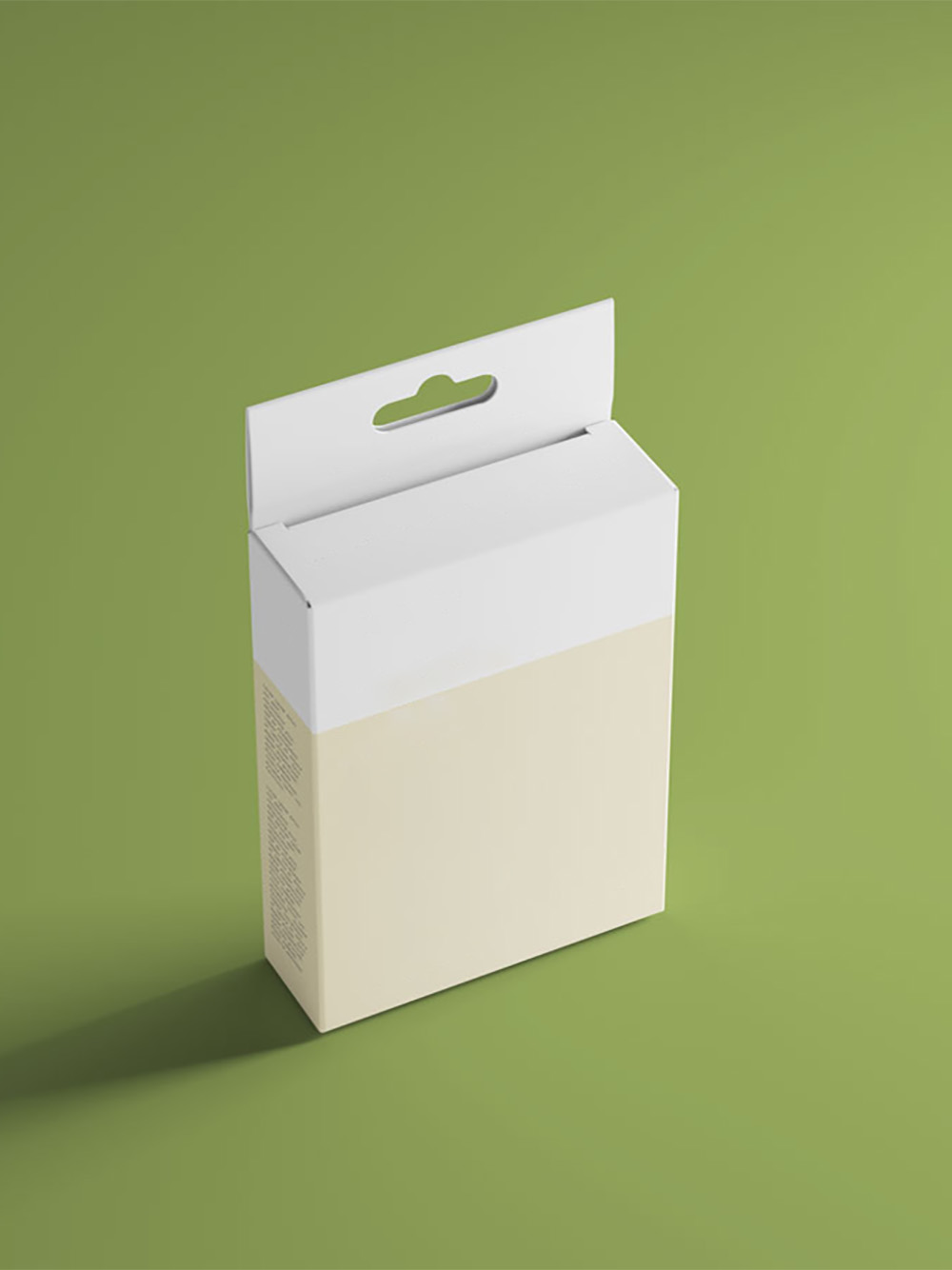
Folding carton (paperboard) – a single, dense sheet, thinner than corrugated, that folds flat and assembles into shape. Common for smaller retail goods – supplements, small electronics, food items – where shelf footprint and print clarity matter more than crush strength.
A Quick Way to Tell Which One You Need
If your product is heavy or the box travels loose in a shipment before reaching a shelf, go corrugated. If it’s a small, lightweight item sold primarily in-store, a folding carton is usually cheaper and prints just as sharp. Rigid is reserved for products where the box itself is part of the perceived value – think unboxing experience, not just protection.
How Do You Get a Retail Box That Survives Shipping and Looks Good on the Shelf?
This is the tension every retail buyer eventually runs into: a box tough enough to survive a freight pallet often isn’t the same box that photographs well or catches a shopper’s eye. The fix isn’t a compromise box – it’s choosing the right board weight and finish for the specific leg of the journey your box has to survive.
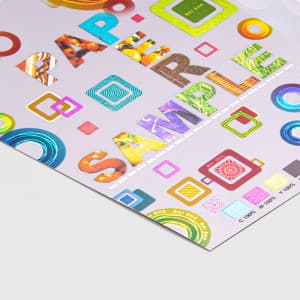
For products shipping directly from your warehouse to a retailer’s shelf, we typically spec a mid-weight corrugated board (something in the 32–44 ECT range; confirm your actual stock) with a coated liner – strong enough to stack on a pallet, smooth enough to hold sharp CMYK printing once it’s unpacked and displayed. For products that go straight to shelf without a rough transit leg, a lighter folding carton with a matte or soft-touch finish gets you sharper print detail without paying for strength you don’t need.
The Mistake We See Most Often
Buyers often ask for “the strongest box” by default, assuming more durability is always safer. It isn’t – over-speccing corrugated board on a small product adds unnecessary weight and shipping cost, and it can actually look bulky and cheap next to a competitor’s tighter, better-fitted packaging on the same shelf.

Why Does Custom Sizing Actually Matter for Your Cost?
Off-the-shelf box sizes are the single biggest hidden cost in retail packaging, and most buyers don’t realize it until they’ve already paid for a season of freight. A box that’s even half an inch too big on each side means more void fill, more dimensional-weight shipping cost, and a sloppier shelf presence next to a competitor’s product that fits its box exactly.
Custom-to-product sizing costs marginally more per unit at first glance, but it consistently comes out cheaper once you account for freight and damage-related returns – a properly fitted box needs less internal packaging and survives handling better because the product isn’t shifting inside it. If you’re currently ordering a stock size “close enough” to your product, this is usually the fastest win available to you without touching your print design at all.
What Does It Cost, and How Fast Can You Get Retail Cardboard Boxes Made?
“Retail box pricing depends on construction type (rigid costs more than corrugated, which costs more than a folding carton), size, print complexity, and volume. As a straight answer: expect $0.69 per unit at low volume for a standard corrugated retail box, dropping meaningfully past 1,000 units.”Our minimum order for custom retail cardboard boxes is 100 units.
Turnaround runs 7-12 business days from proof approval for standard orders. If you’re stocking for a seasonal reset – holiday, back-to-school, a promotional push – tell us your ship date up front. Retail buyers lose more time to guessing at lead times than to anything else on this list, and rush production is available if you flag it early rather than the week before you need boxes on a truck.
Every retail box order gets a digital proof, and for larger runs we can get you a physical sample so you can check board weight, fit, and print quality against your actual product before committing to a full run – not just a screen mockup.
Frequently Asked Questions
What's the difference between a retail box and a shipping box?
A retail box is built to be seen - on a shelf, in a display, or during unboxing - so print quality and presentation matter as much as strength. A shipping box prioritizes crush resistance for transit and is rarely seen by the end customer.
What materials are retail cardboard boxes made from?
Three main constructions: rigid cardboard (premium, non-folding), corrugated board (fluted, durable, still fully printable), and folding carton/paperboard (thinner, cost-effective, sharp print detail).
Can retail boxes be custom sized to fit my product exactly?
Yes, and it's usually the fastest cost-saving move available - a properly fitted box reduces void fill, dimensional-weight shipping cost, and in-transit product movement compared to a generic stock size.
What's the minimum order quantity for custom retail packaging?
Our minimum is 100 units. We regularly work with brands placing their first retail order, so tell us your real volume, and we'll quote to it.
How much do custom retail cardboard boxes cost?
Pricing depends on construction type, size, print complexity, and volume. Expect 0.68-0.69 per unit at low volume for standard corrugated retail boxes, with pricing dropping at higher quantities.
Is a retail carton the same as a retail cardboard box?
"Carton" usually refers to folding carton/paperboard construction specifically - a thinner, single-sheet material that folds into shape. It's a type of retail cardboard box, not a separate category, and it's the right call for smaller, lighter retail items.
Can retail boxes be printed with branding for shelf display?
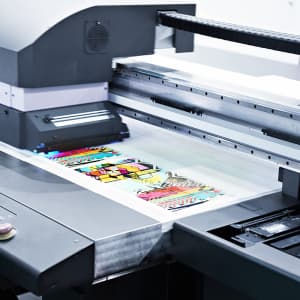
Yes - full CMYK or single-color logo printing is available on all three construction types, and we'll recommend board and finish based on whether the box needs to survive shipping first or goes straight to shelf.
How far in advance should I order for a seasonal retail push?
As early as your product plan allows. Standard turnaround is 7-12 business days from proof approval, and rush production is available - but tell us your ship date upfront rather than the week you need boxes moving.