
Labels Printing
A label that looks perfectly stuck at room temperature can start peeling within hours once a cold beverage bottle sweats with condensation, and that’s usually the first sign an adhesive wasn’t specified for refrigerated conditions. Hale Path Packaging handles label printing for USA food and beverage brands that rely on it, with adhesive tested against real condensation exposure before a run goes to print, a process outlined in our Cannabis Storage Bags USA
- Nationwide shipping, done reliably
- Every order is covered by our guarantee
- Consistent print quality on every batch
Labels Printing Gallery
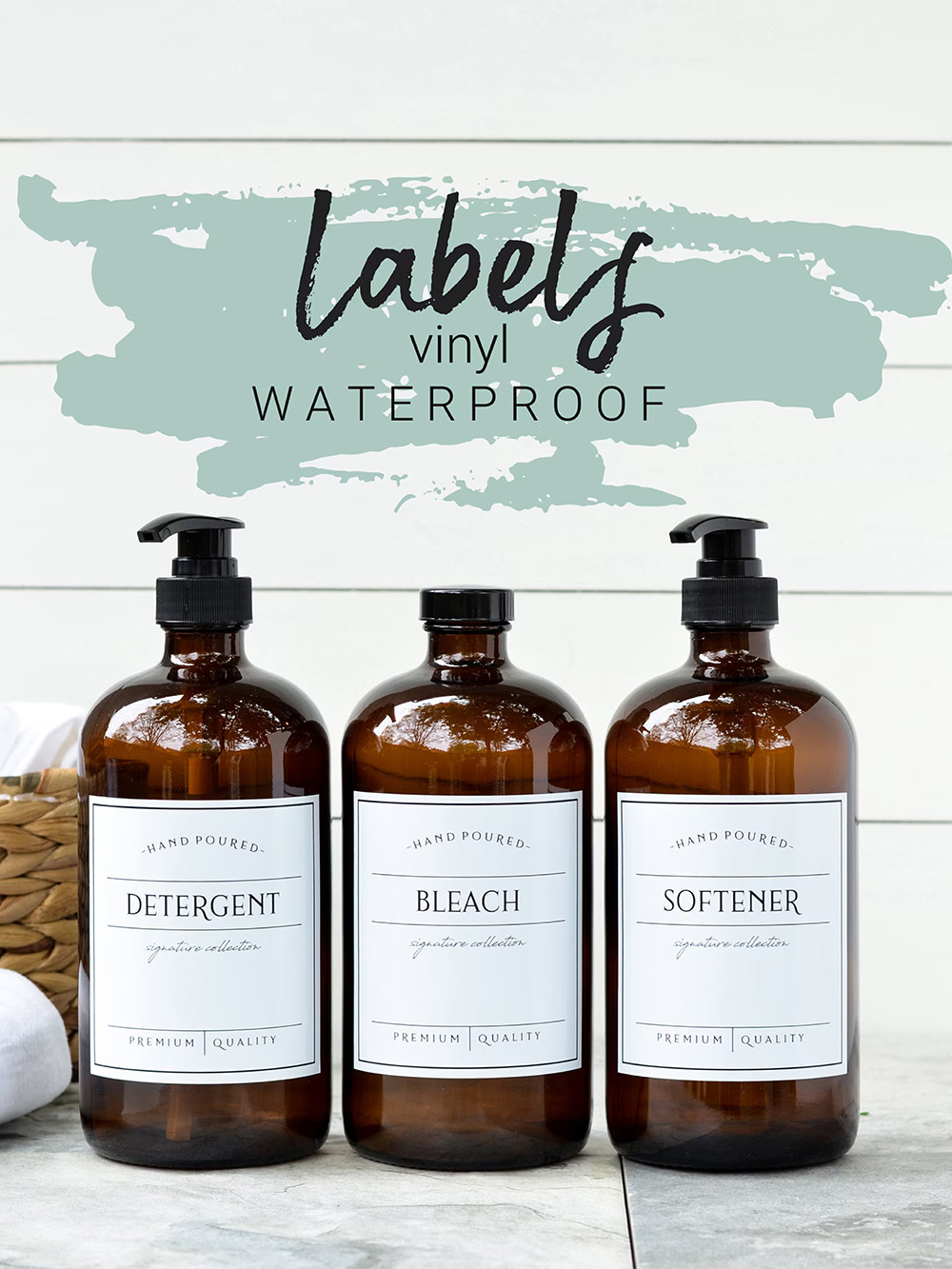
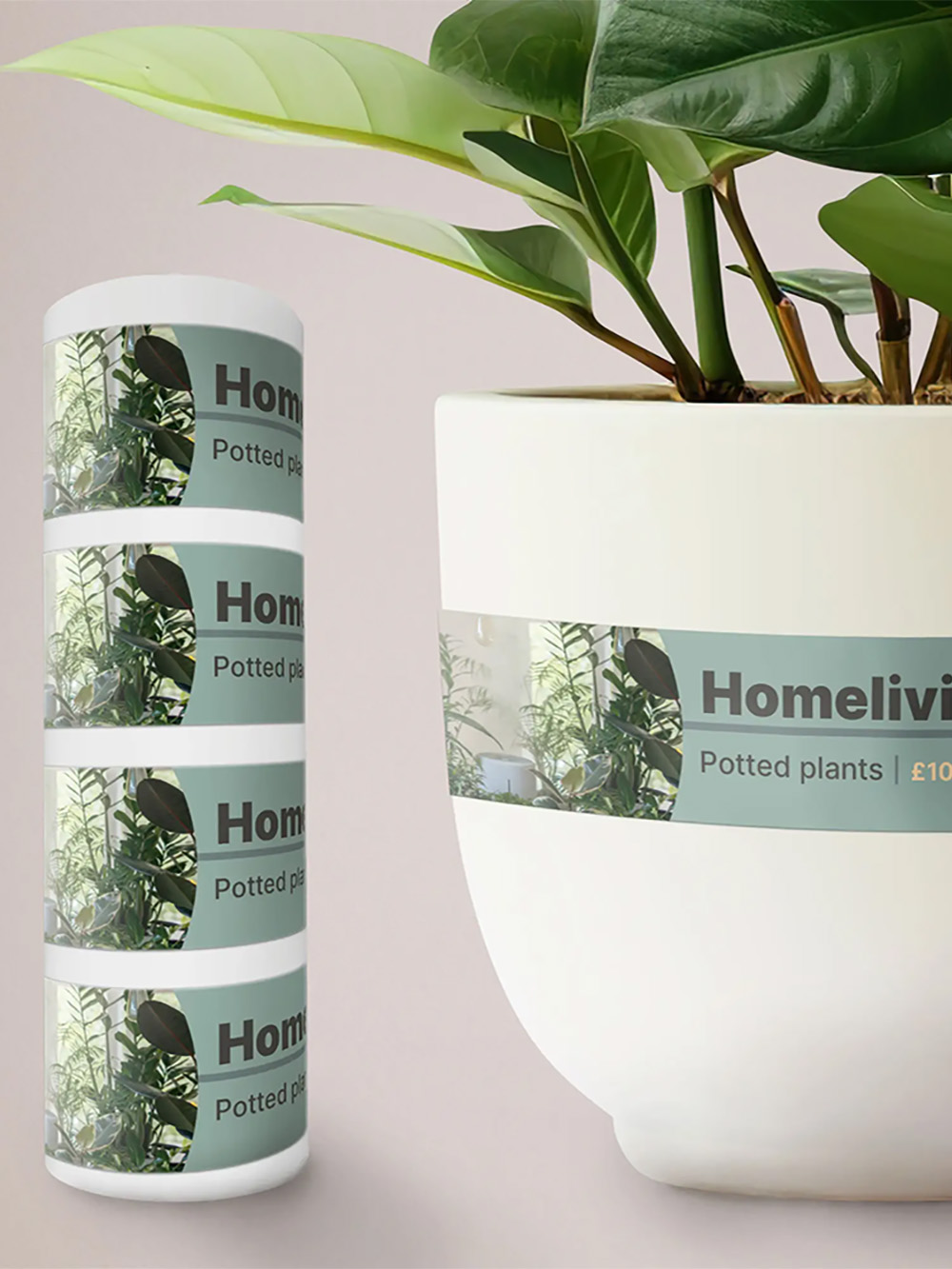
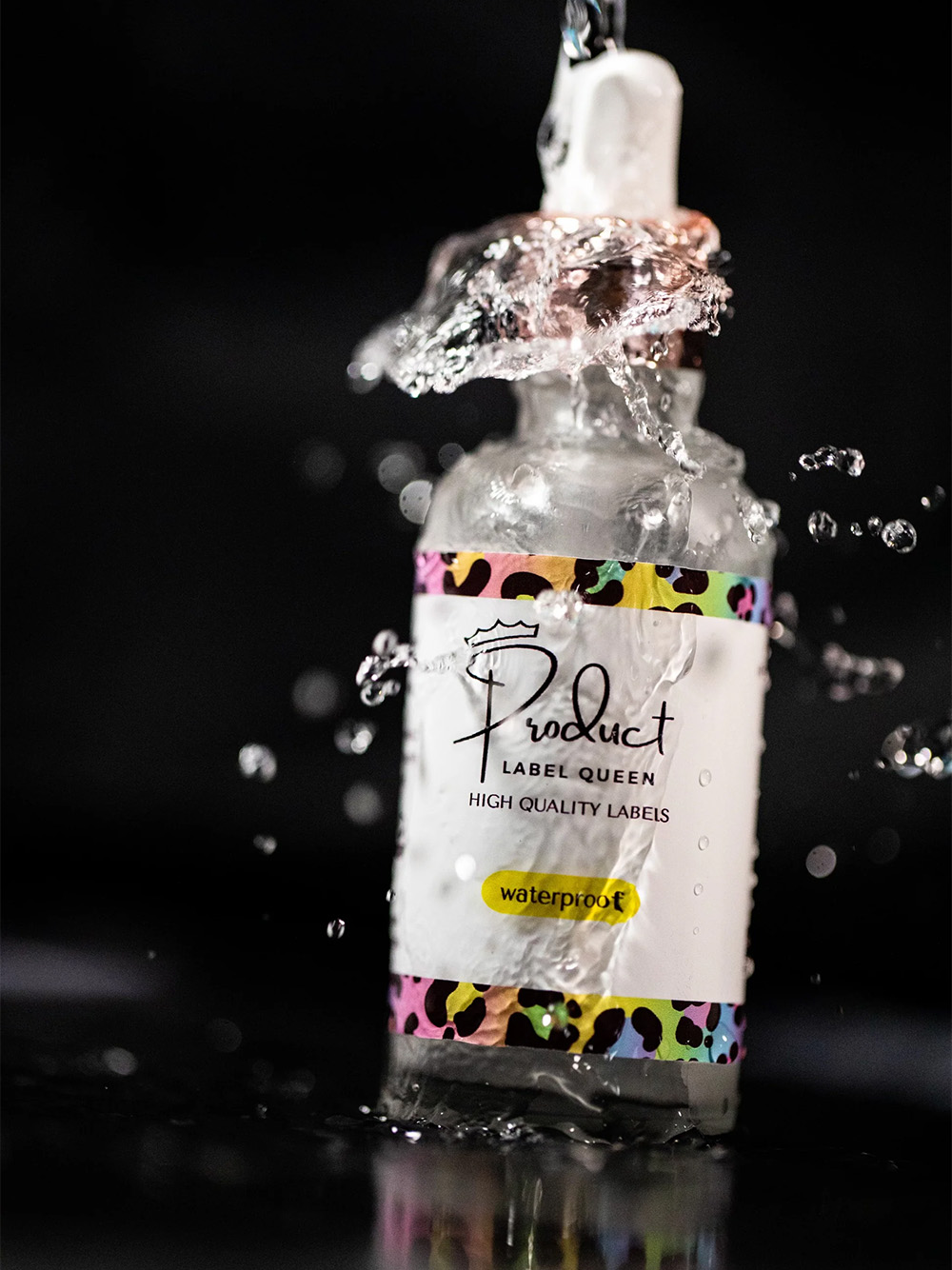
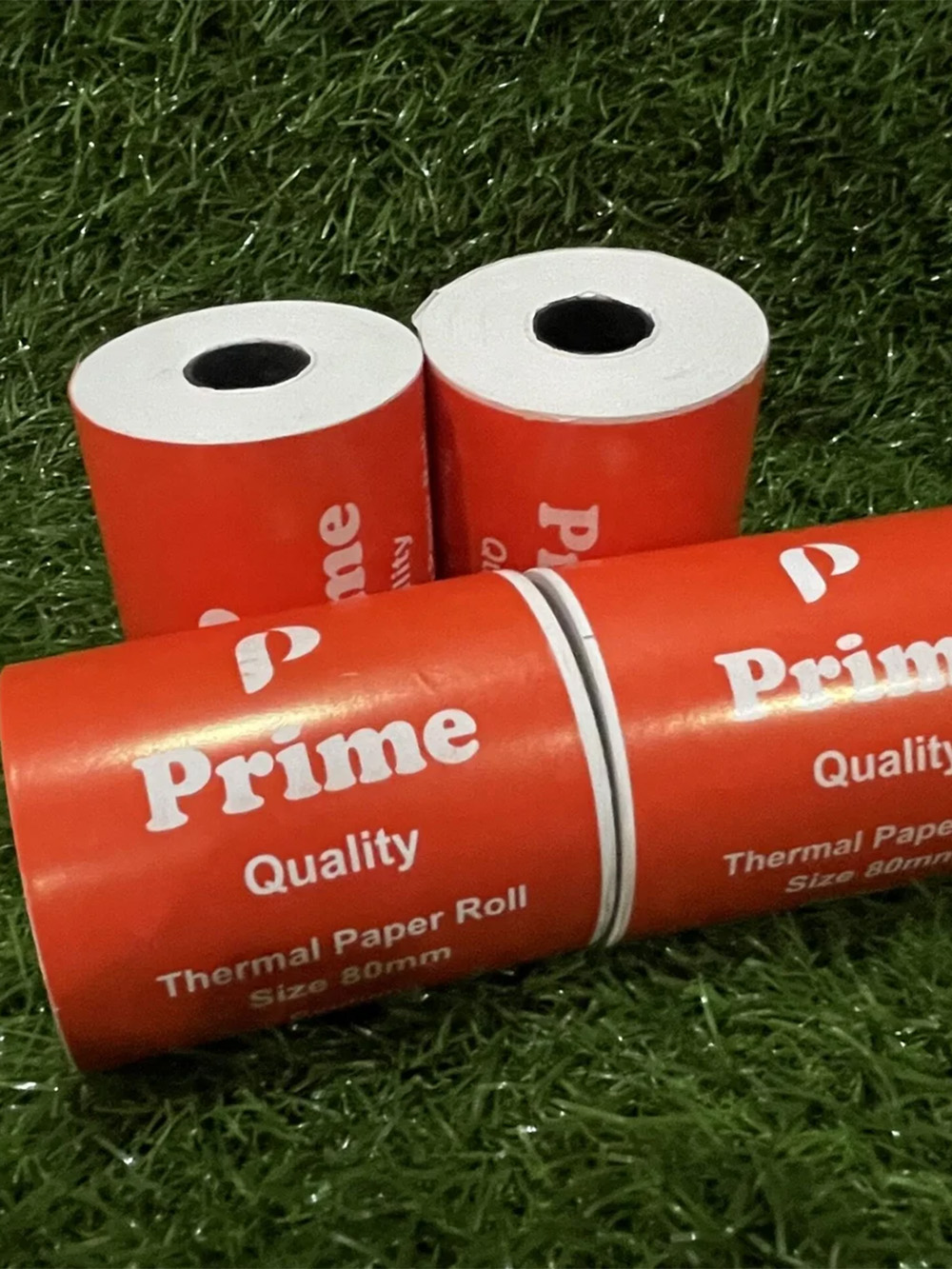
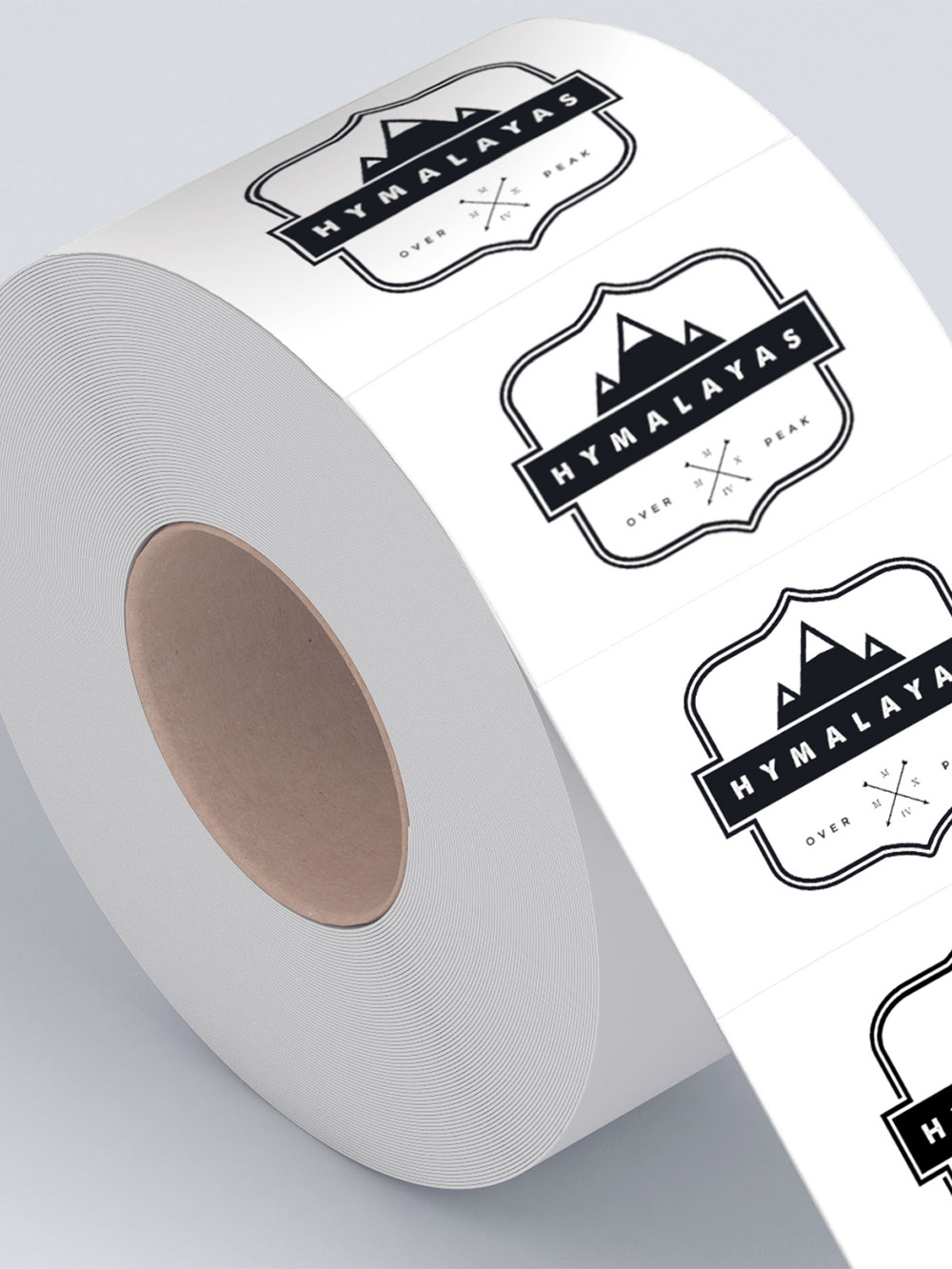
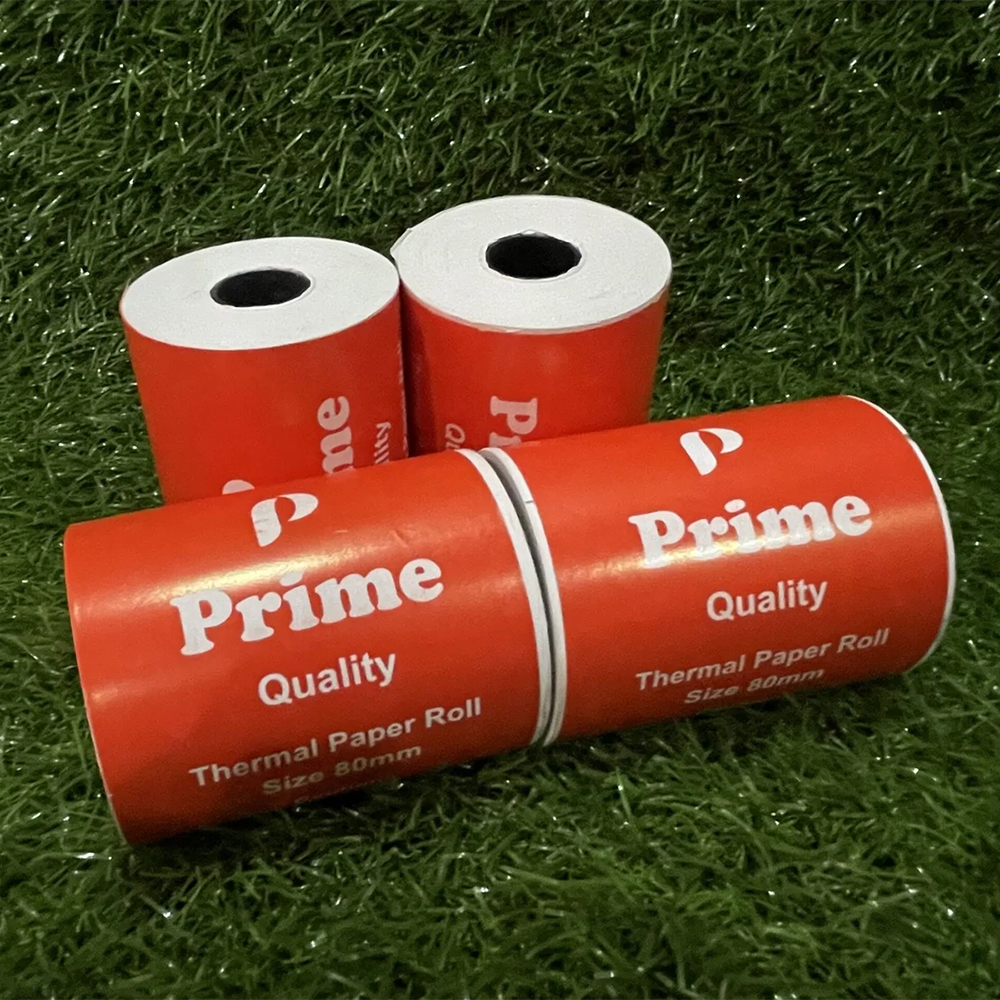
Custom Labels Built to Survive Condensation, Not Just Look Good in the Studio
A label looks flawless on a dry bottle in a studio shoot, but that same adhesive can fail fast once the product’s actually chilled and sweating in a cooler. What actually keeps a cold-adhesive label stuck through real refrigerated conditions? Comes down to adhesive formulation tested against condensation and temperature swings, not a room-temperature bond test alone, as our Custom Paper Bags USA explains.
- Cold-adhesive label stock, tested against condensation and refrigeration so labels don’t peel on chilled products
- Precision die-cutting, tested against high-speed application lines for accurate, consistent placement, per our Frozen Seafood Boil Bags USA
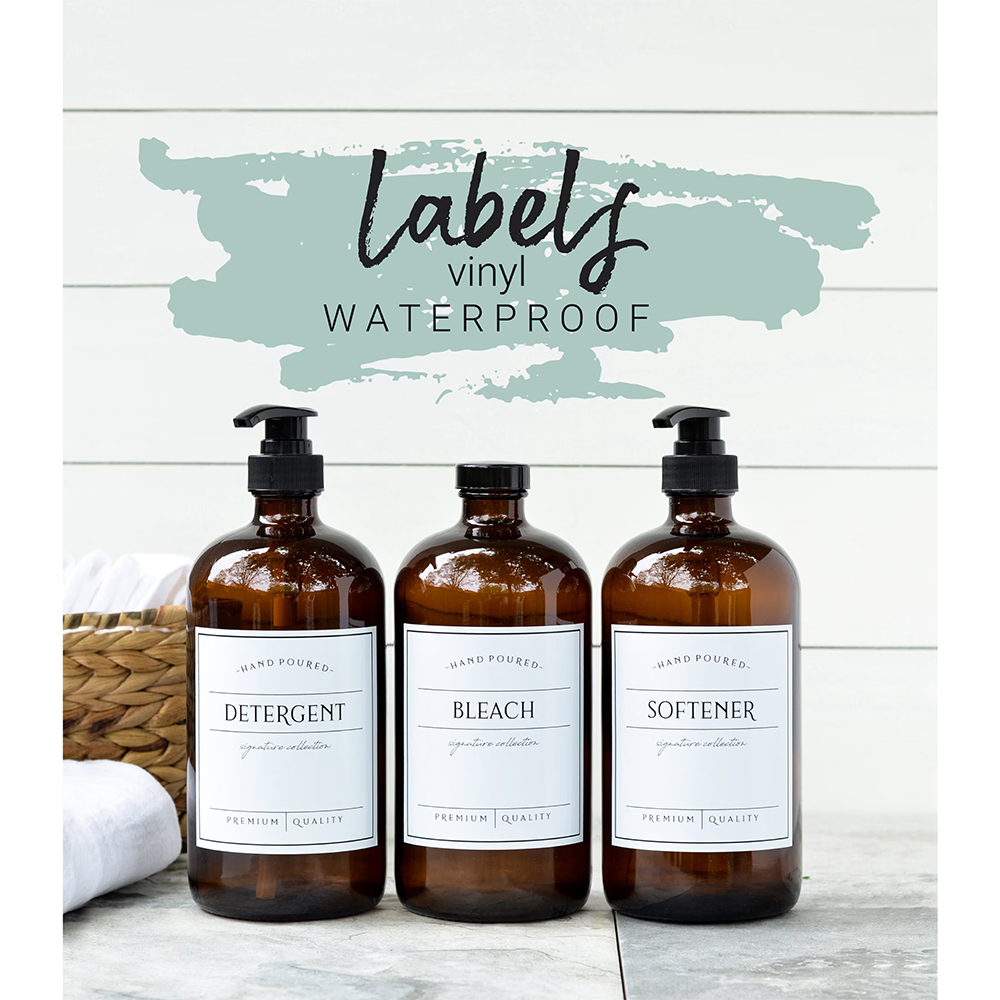
- Waterproof or oil-resistant laminate, depending on how the product is actually handled and stored
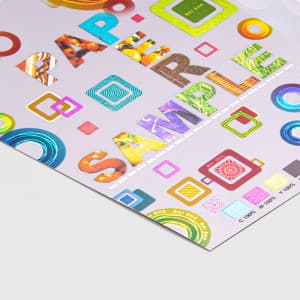
- Matte, gloss, or clear BOPP label stock, with full-colour digital or flexographic printing
- Recyclable brands wanting a more sustainable label are available.
Why Did a Miami Beverage Brand’s Labels Stop Peeling Off Chilled Bottles?
A beverage brand in Miami started getting complaints about labels peeling at the corners within a few hours of bottles going into a cooler, even though the same labels held up fine on room-temperature stock. Their existing adhesive was formulated for standard shelf conditions and hadn’t been tested against condensation, which was undermining the bond as soon as the bottle started sweating- a gap our Stand Up Pouch with Zipper USA is built to catch. We switched to a cold-adhesive formulation and tested it against real refrigeration and condensation exposure before the next print run.
“Assumed it was a bottling issue until we tested labels on a cold, sweating bottle ourselves,” the brand’s operations lead said once the new adhesive held up. Peeling complaints stopped, and labels stayed put through a full cold-chain cycle.
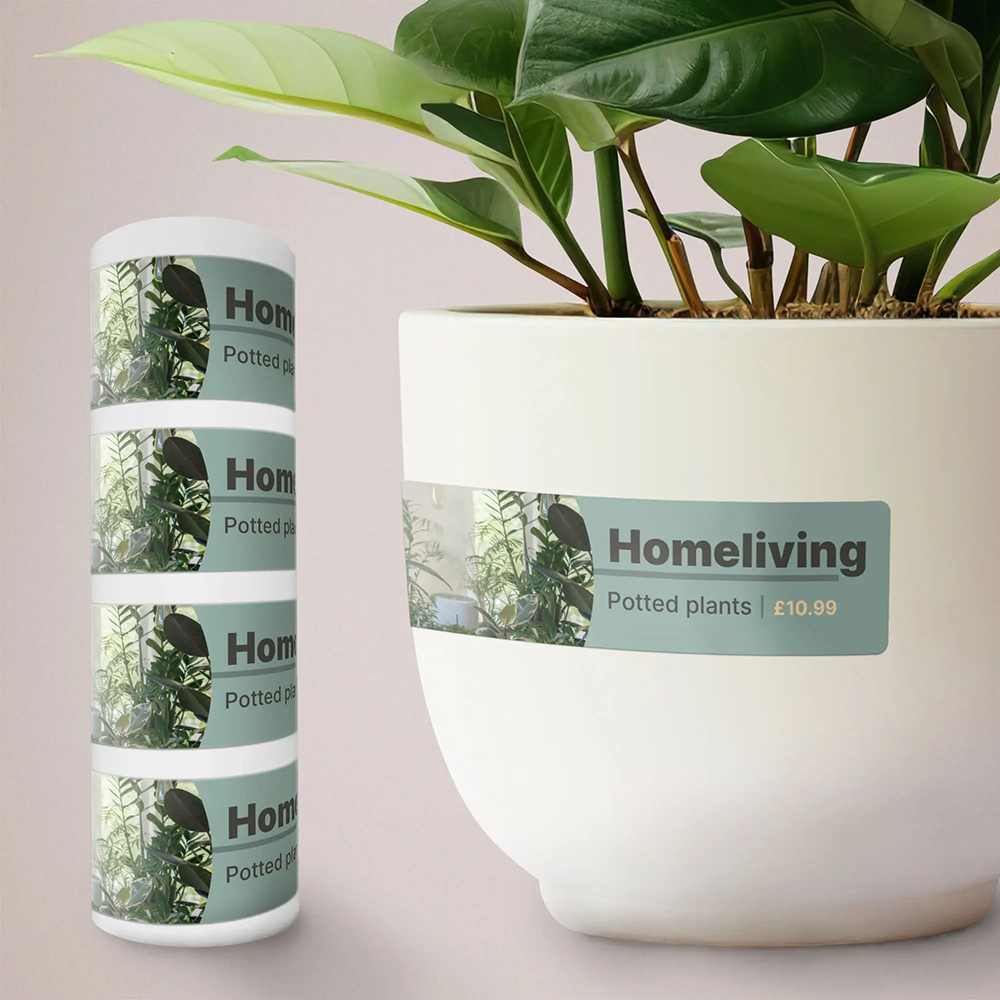
Brands Across the USA Trust Hale Path Packaging for Their Label Printing
A label that peels off a chilled product costs a brand more in retail returns and damaged shelf appeal than a properly formulated adhesive ever would, which is why Hale Path Packaging tests cold-adhesive performance against real condensation before any run ships. We supply beverage brands in Miami, food companies in Chicago, and speciality product suppliers in Boston with custom label printing built to hold up through refrigerated storage and transit. Our label adhesive selection guide is worth a look if you’re deciding on stock for a new chilled or frozen product line, and our Green Tea Pouches USA covers order sizing for a first run.
- In-house design support from brief to final artwork
- Free sampling before committing to a full production run
- Recyclable and FSC-certified label stock available
- USA-based manufacturing for consistent quality and faster turnaround
- Flexible order volumes, from small batch runs to full wholesale quantities
How Adhesive Formulation and Condensation Actually Interact
Room temperature isn’t really the problem for a standard adhesive; it’s what happens once condensation works its way between the label and the surface. Grip fails fast from there, usually starting at the edges first. Build a cold-adhesive label to resist that moisture, and it holds on even as the surface sweats, which is what matters most for refrigerated beverages, dairy, or anything else stored cold before it reaches the customer.
Also worth checking: Frozen food bags,Supplement packaging pouches,Energy bar packaging
Hale Path Packaging designs and produces custom label printing for food, beverage, and speciality product brands across the USA.
Frequently Asked Questions
Are cold-adhesive labels more expensive than standard labels?
Slightly, since the specialised adhesive formulation adds a small cost, though it's minor compared to what peeling complaints and returned stock cost a brand.
Can Labels Printing be recycled?
Standard paper or BOPP label stock can usually go through with the container, though it depends on the adhesive type and what the local recycling program actually accepts.
What sizes are available for custom label printing?
Runs from small sample labels around 1x1 inches up to large wraparound formats, sized to the specific container.
Does label printing need to meet FDA food contact requirements?
Yes, if the label or adhesive comes into direct contact with food or the container's food-contact surface, it has to meet FDA food contact material standards.
How long does production take for labels printing?
Roughly 2 to 3 weeks, from artwork approval to delivery. Got a tight launch date? We can usually speed that up.
Do "recyclable" or "eco-friendly" label claims need to meet FTC guidelines?
Every time. FTC Green Guides apply to any sustainability claim on a label, and that wording gets checked before it ever reaches print.
Can labels be tested against our specific product's cold-chain conditions?
Yes, our cold-chain adhesive testing service covers this for beverage and dairy brands specifically.
Does die-cut precision matter for automated labels printing applications?
Significantly, yes, since even a small inconsistency in die-cutting can cause labels to misalign on a high-speed application line, leading to crooked or overlapping labels across a production run.