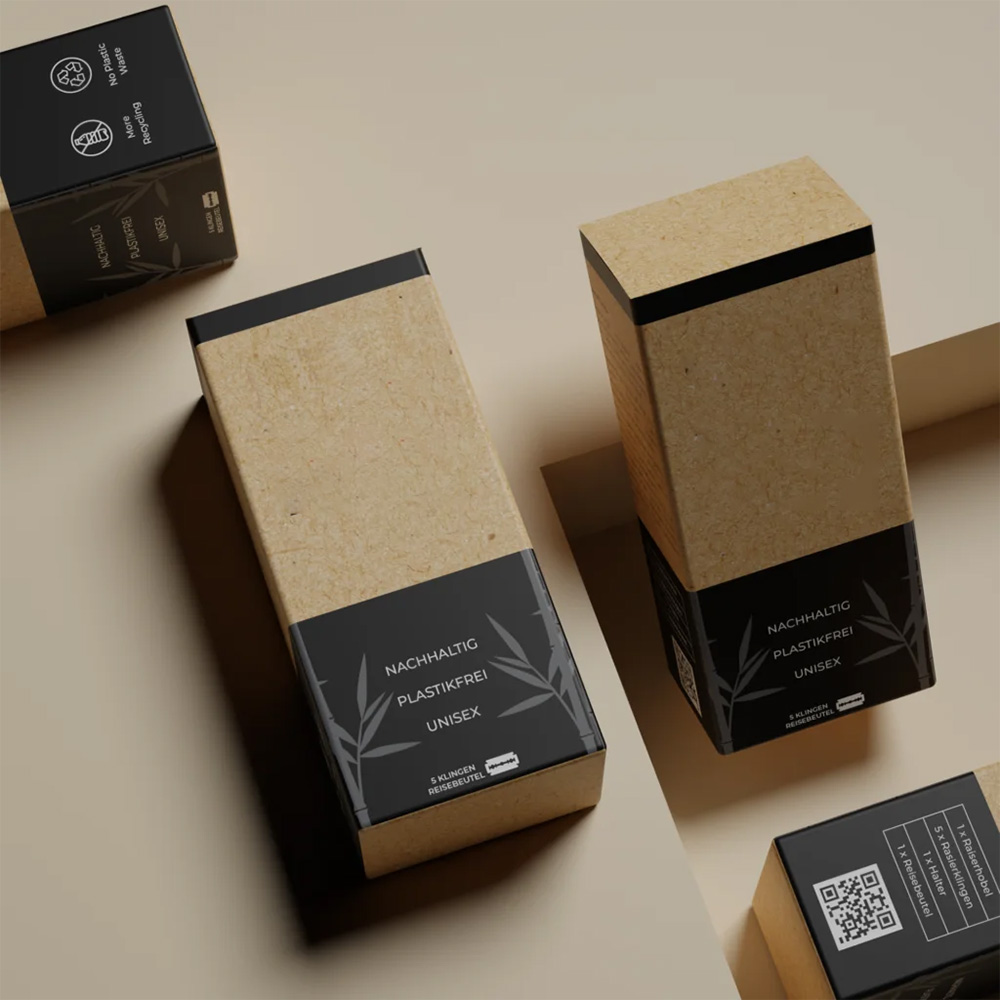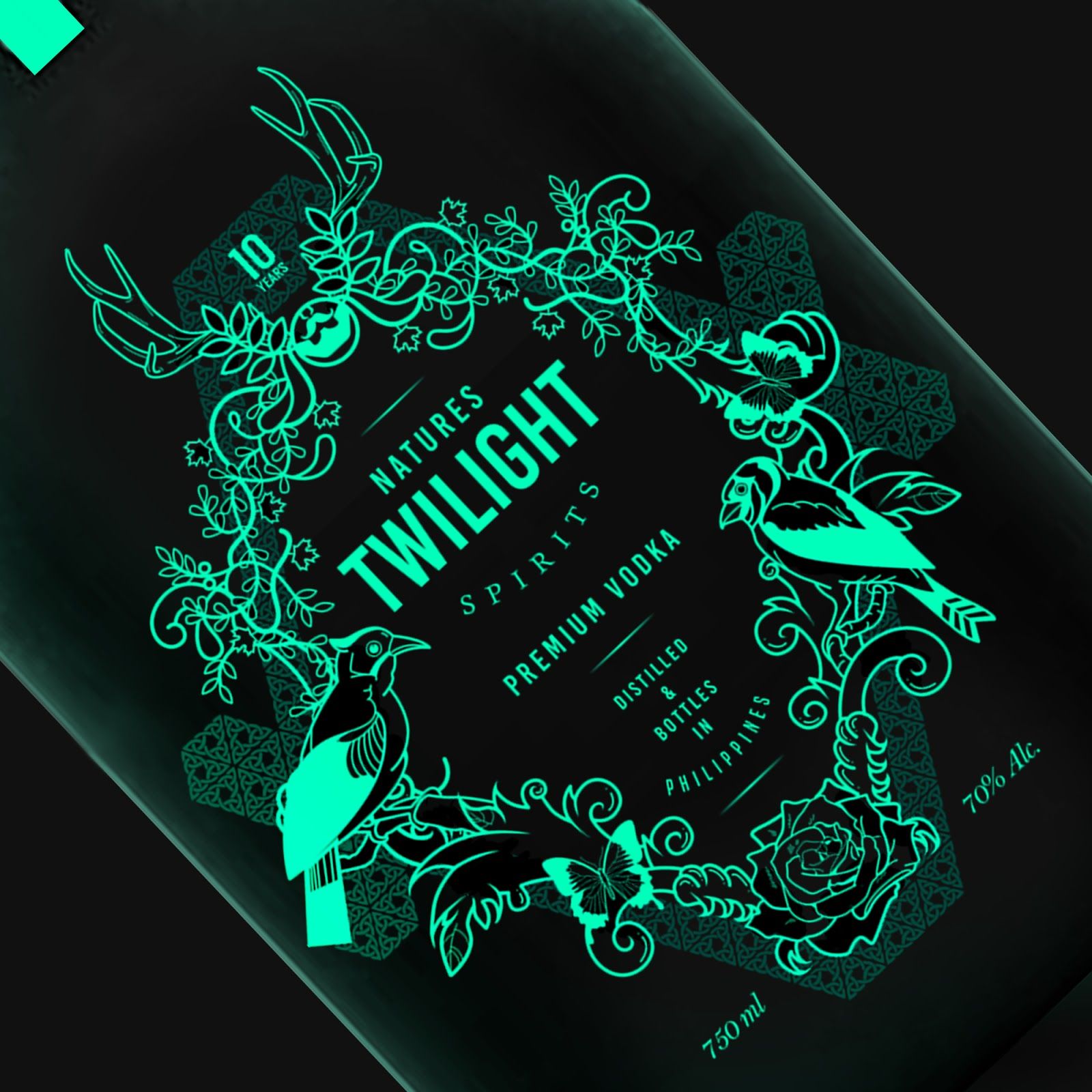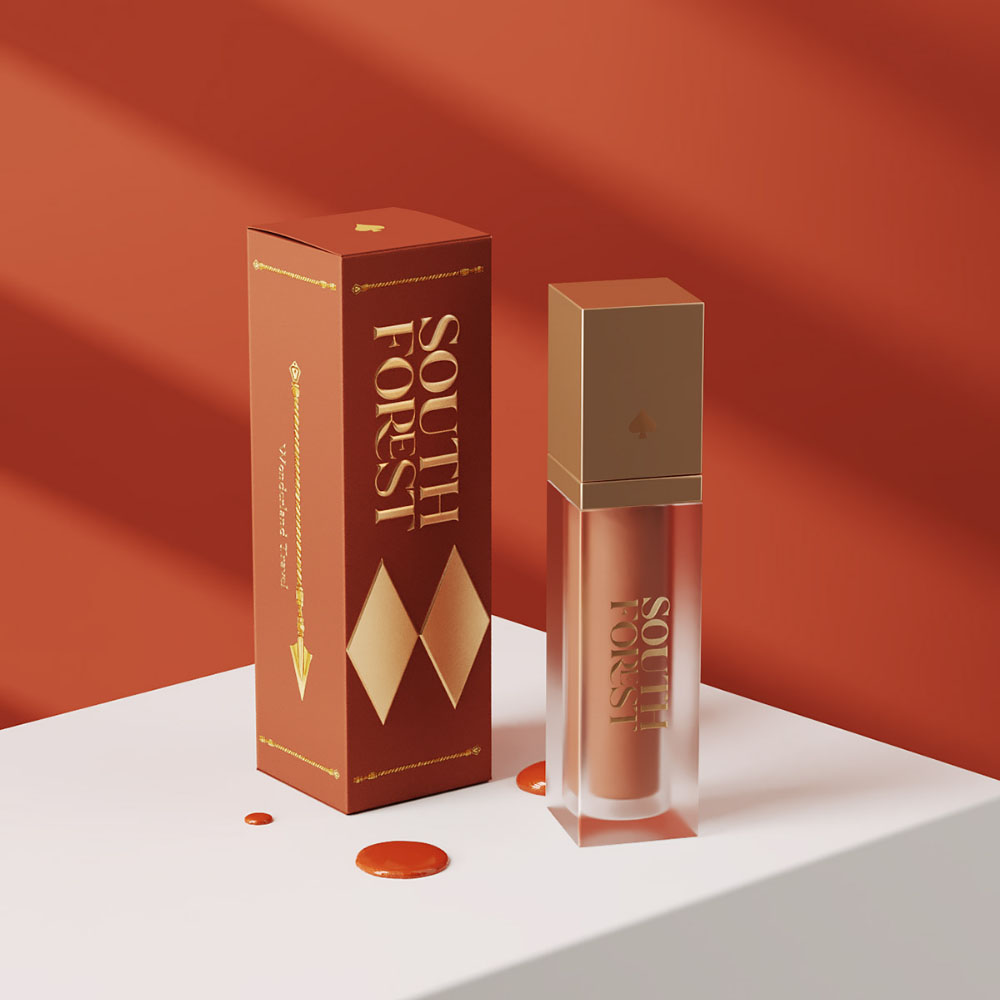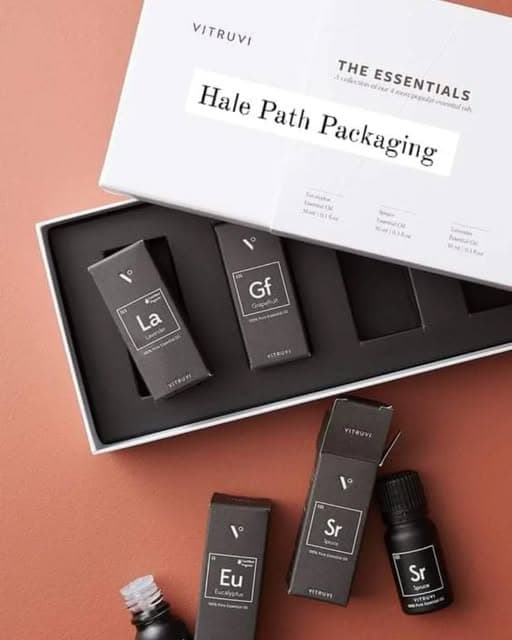
Embossing and Debossing
Raised or recessed detail that reads before a customer even opens the box. Hale Path Packaging brings that finish to custom boxes and cartons across the USA, built to hold sharp depth run after run.
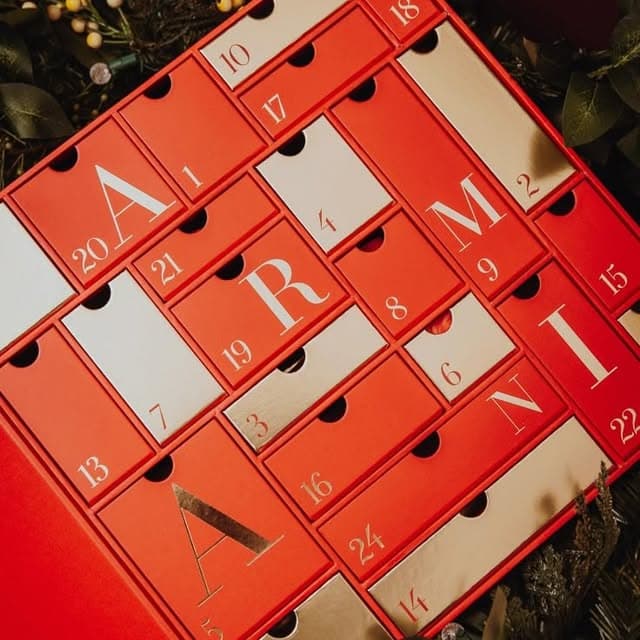
Embossing and Debossing Gallery
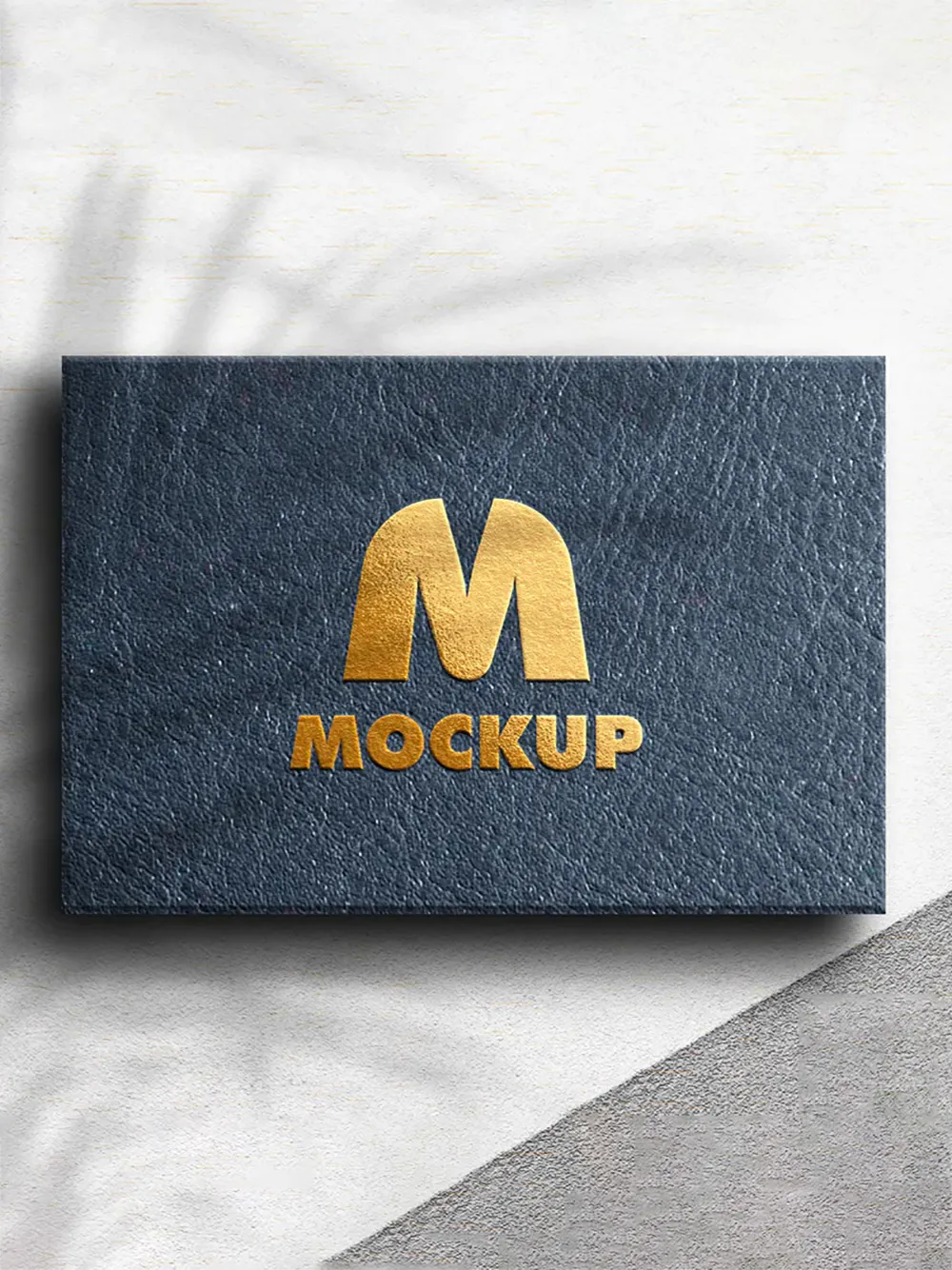
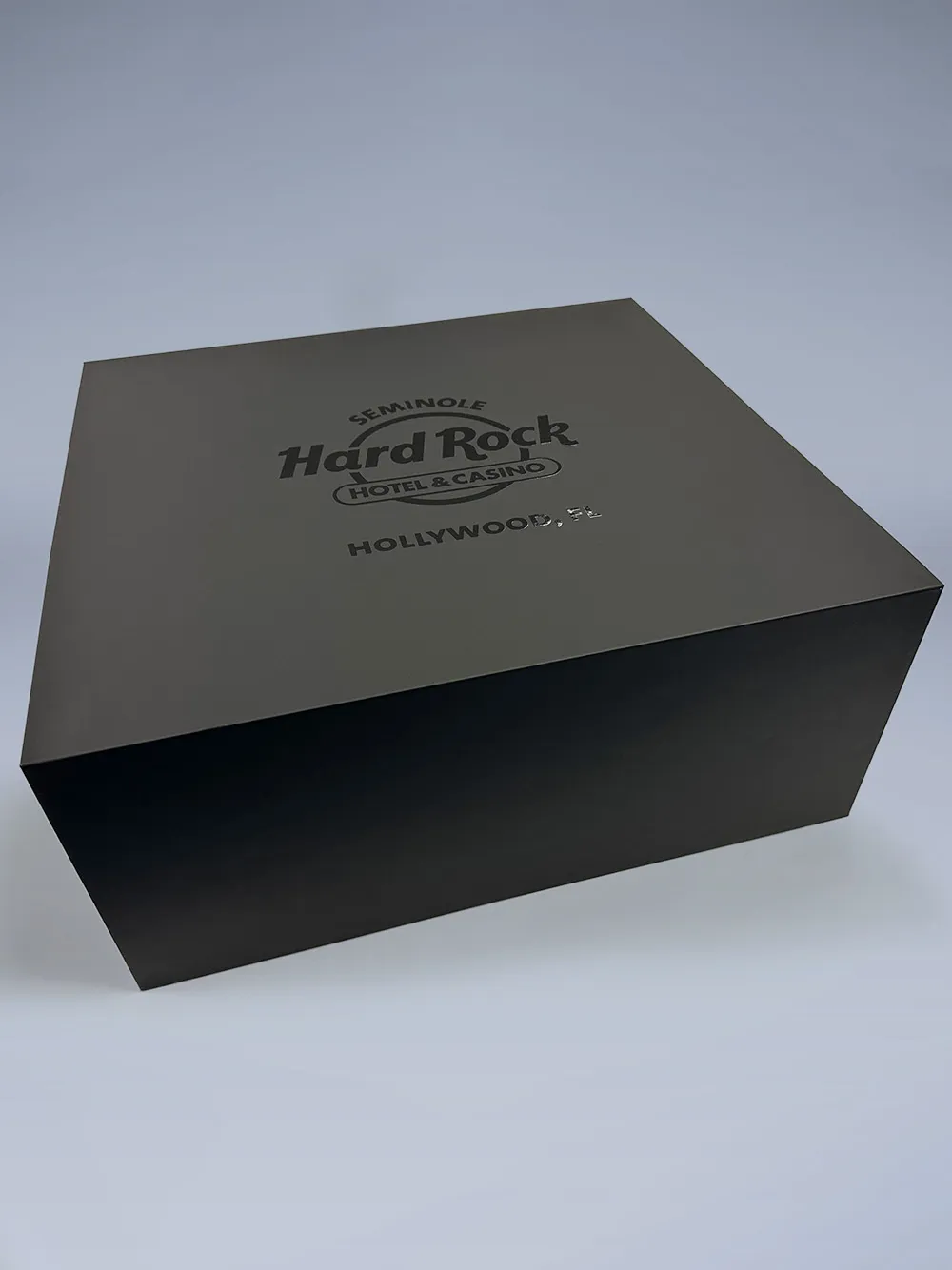
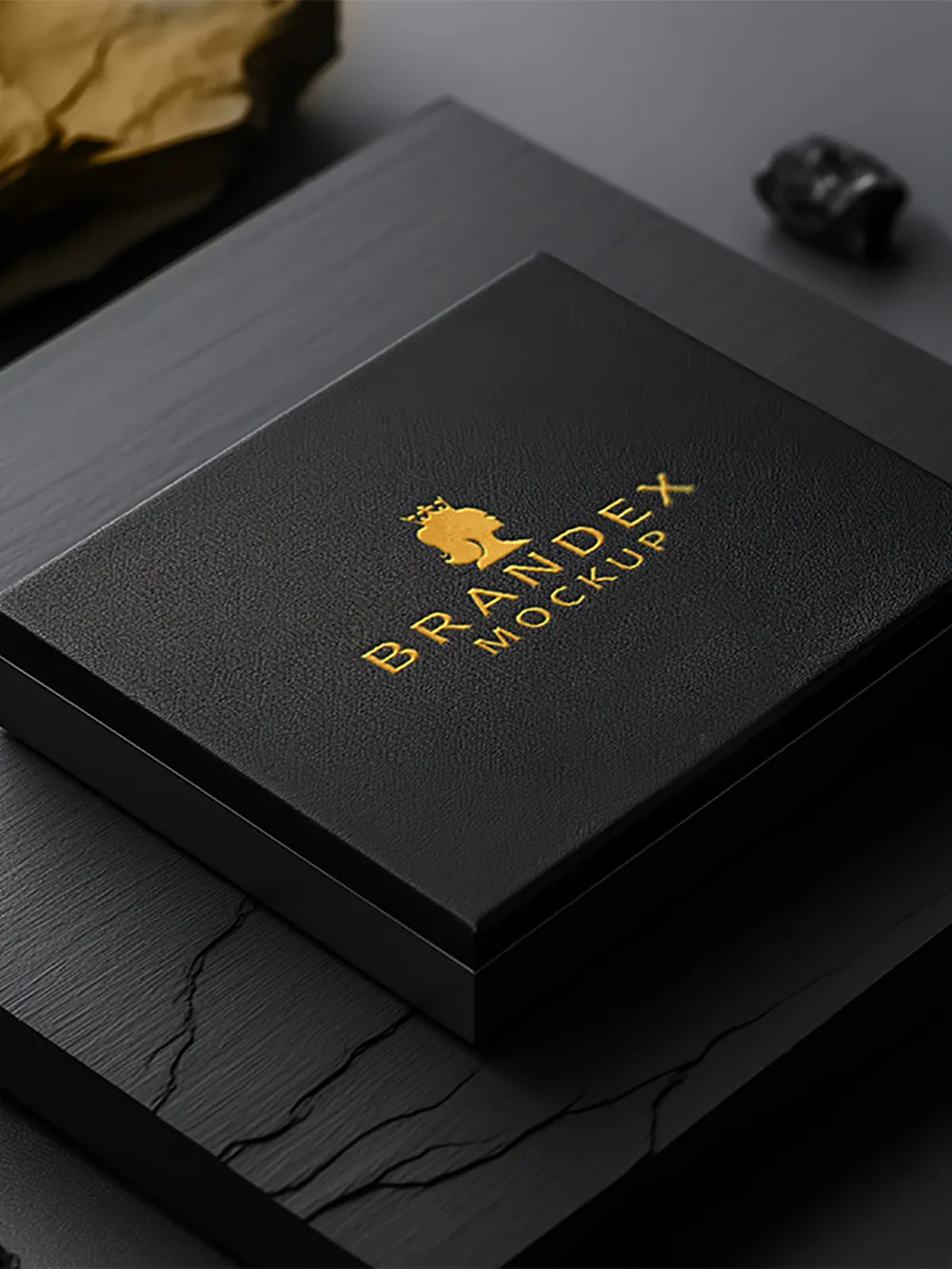
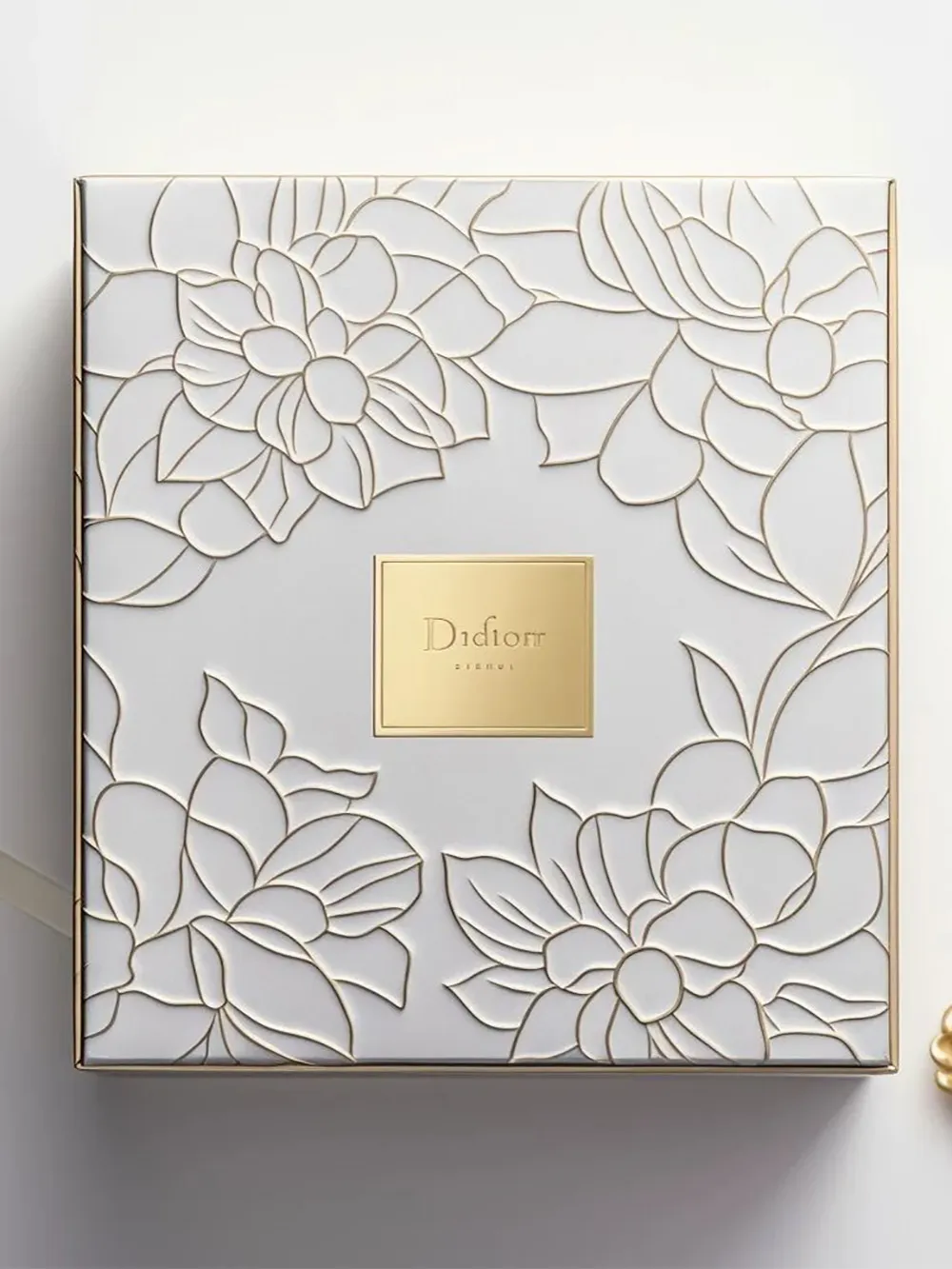
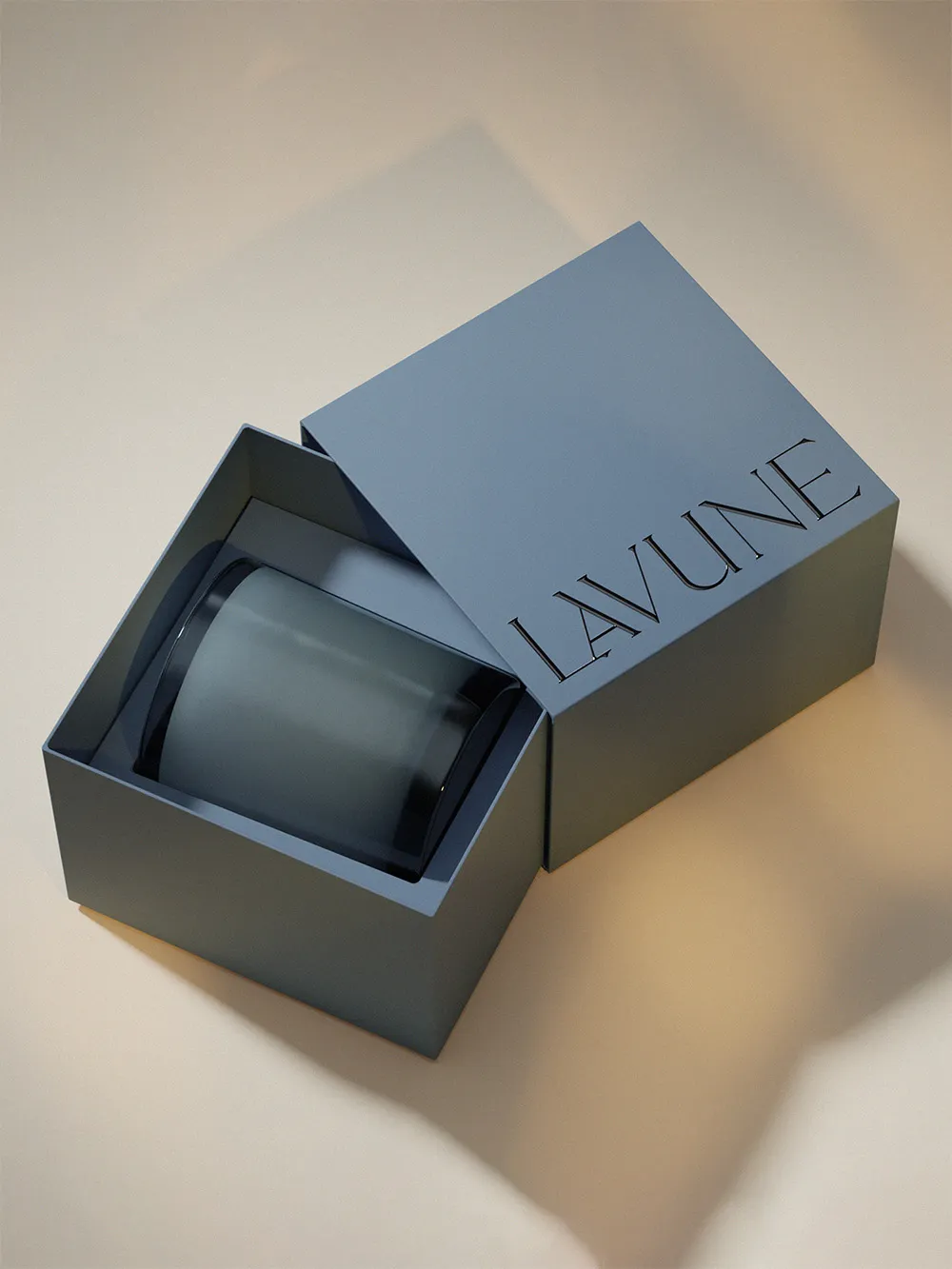
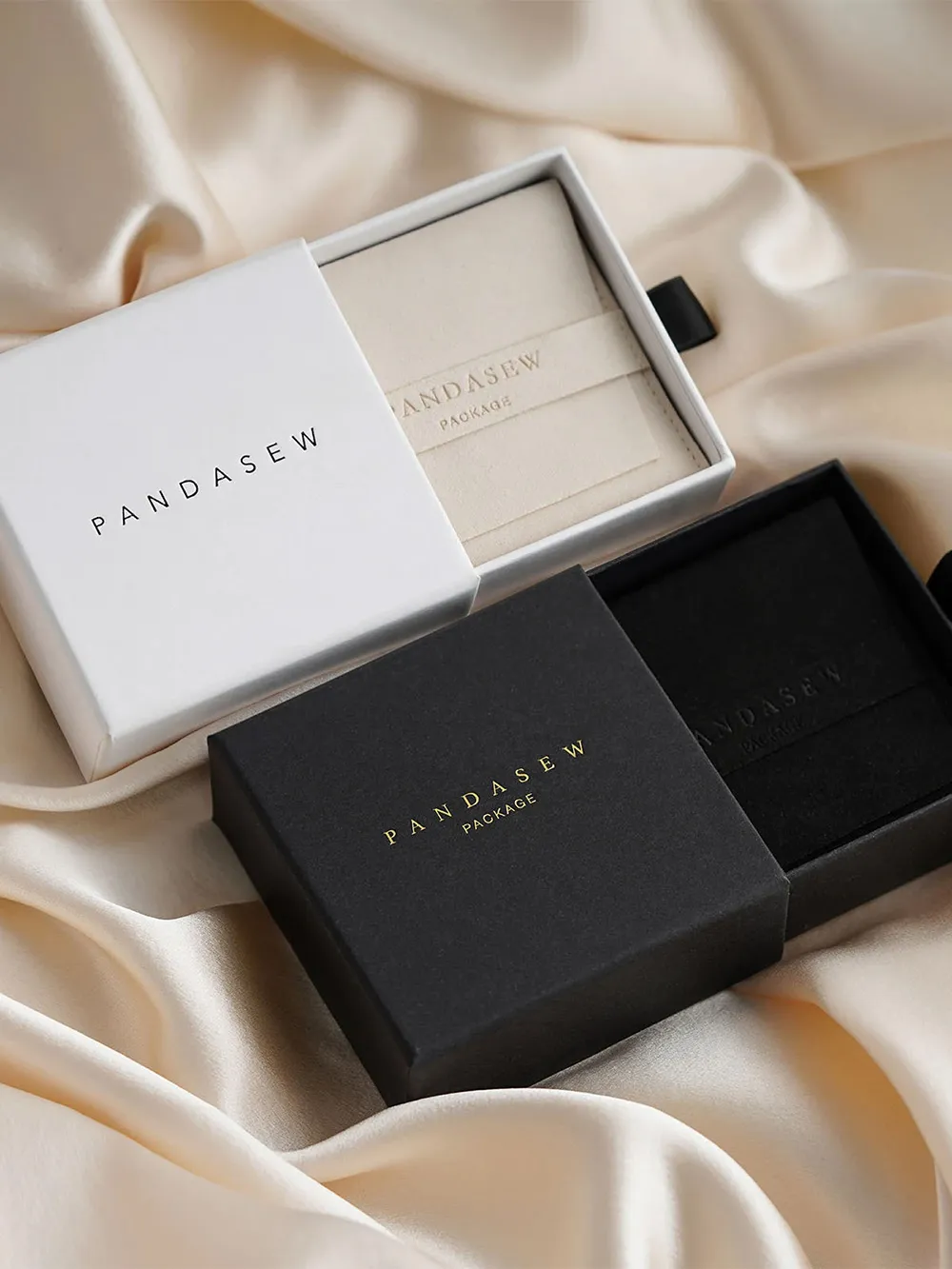
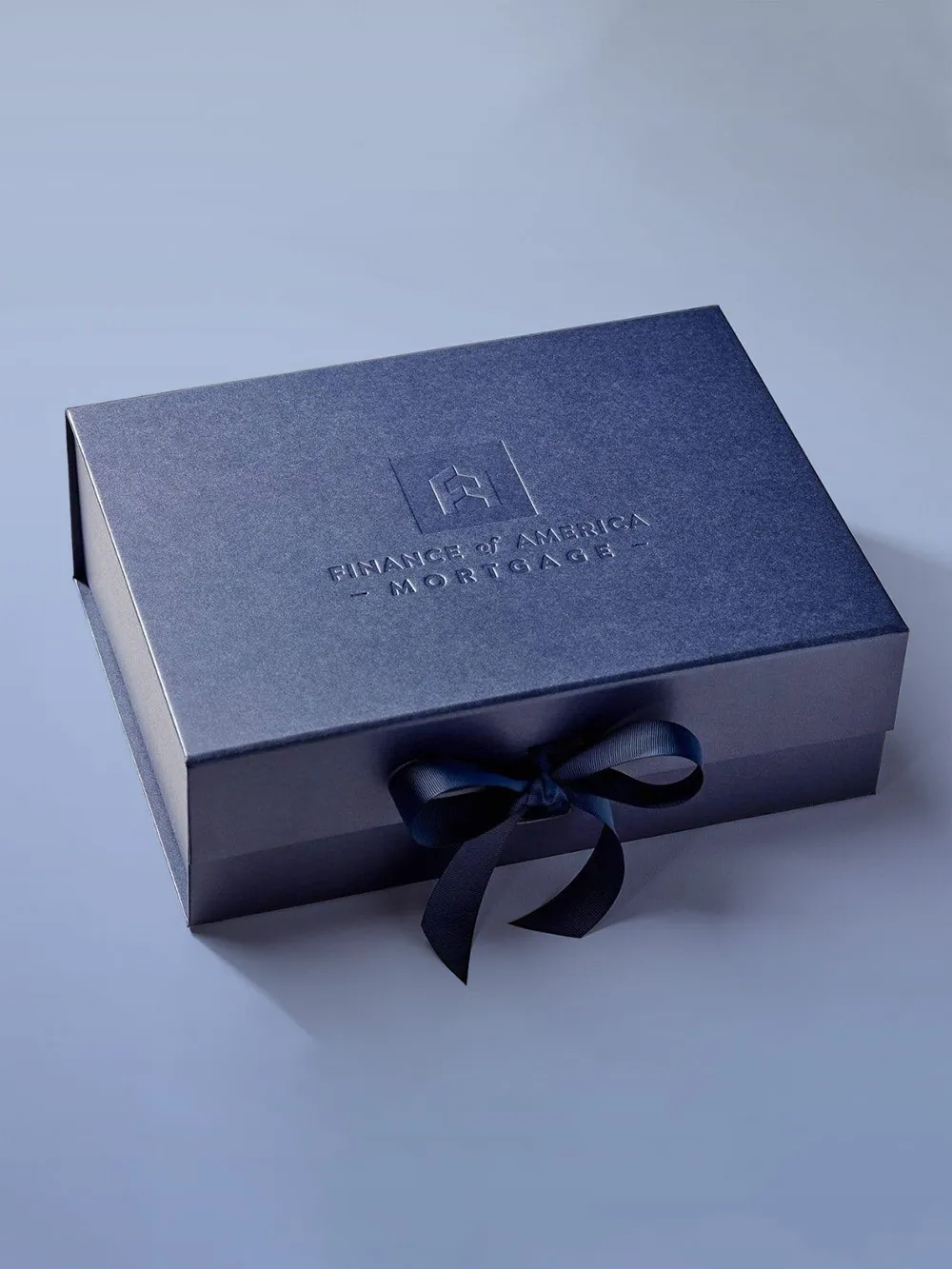
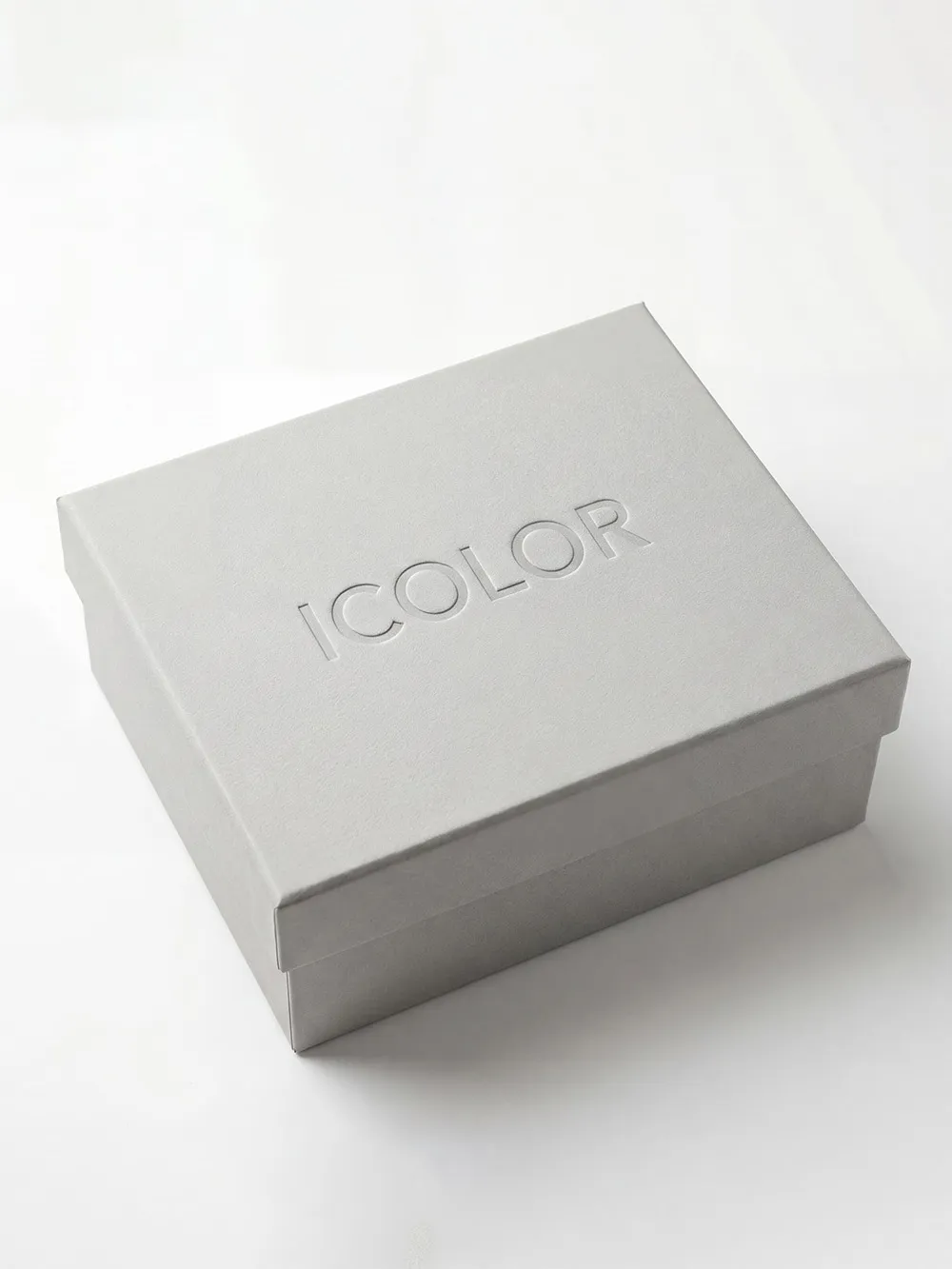
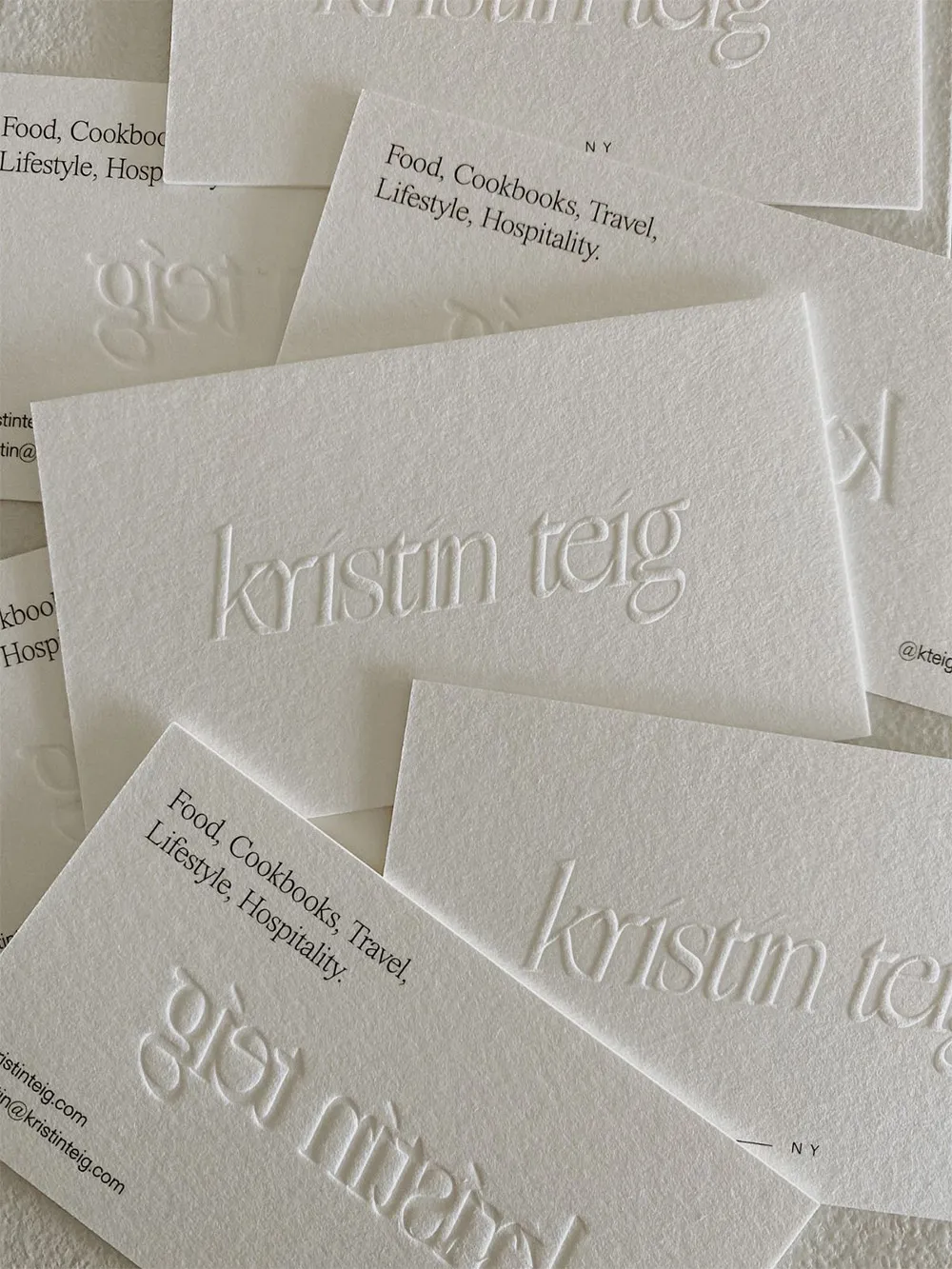
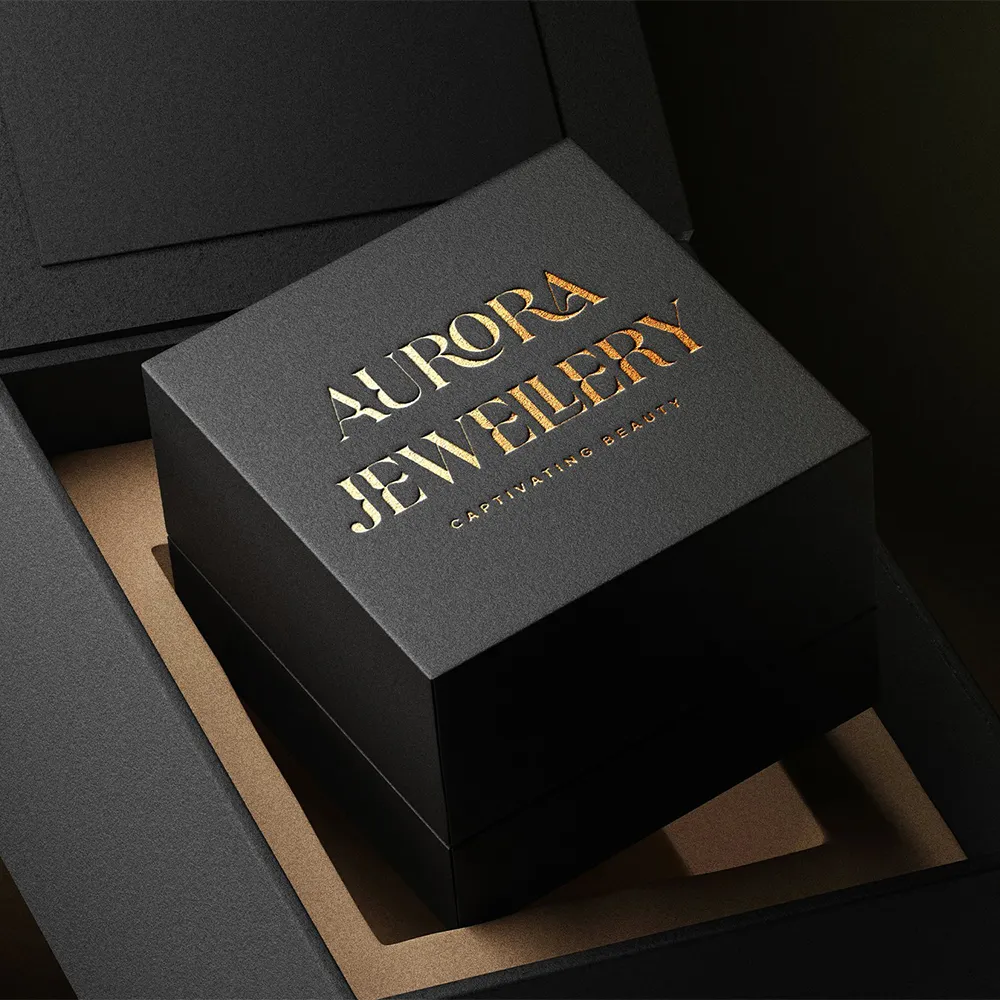
Custom Embossing and Debossing Services USA: Texture and Depth Standard Print Can't Match
- What is the distinction between embossing and debossing, and do both surface on the same box?
- Does embossing work on every packaging material?
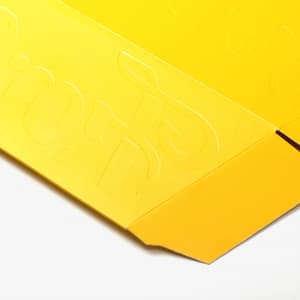
Embossing raises a structure above the surface, debossing presses it below, and both constantly sit on one board together. Painted and rigid board hold a clean strike, but thin uncoated papers can tear at serious recesses, so our team checks stock weight against depth before approving a job, the same check we run on flat bottom with zipper.
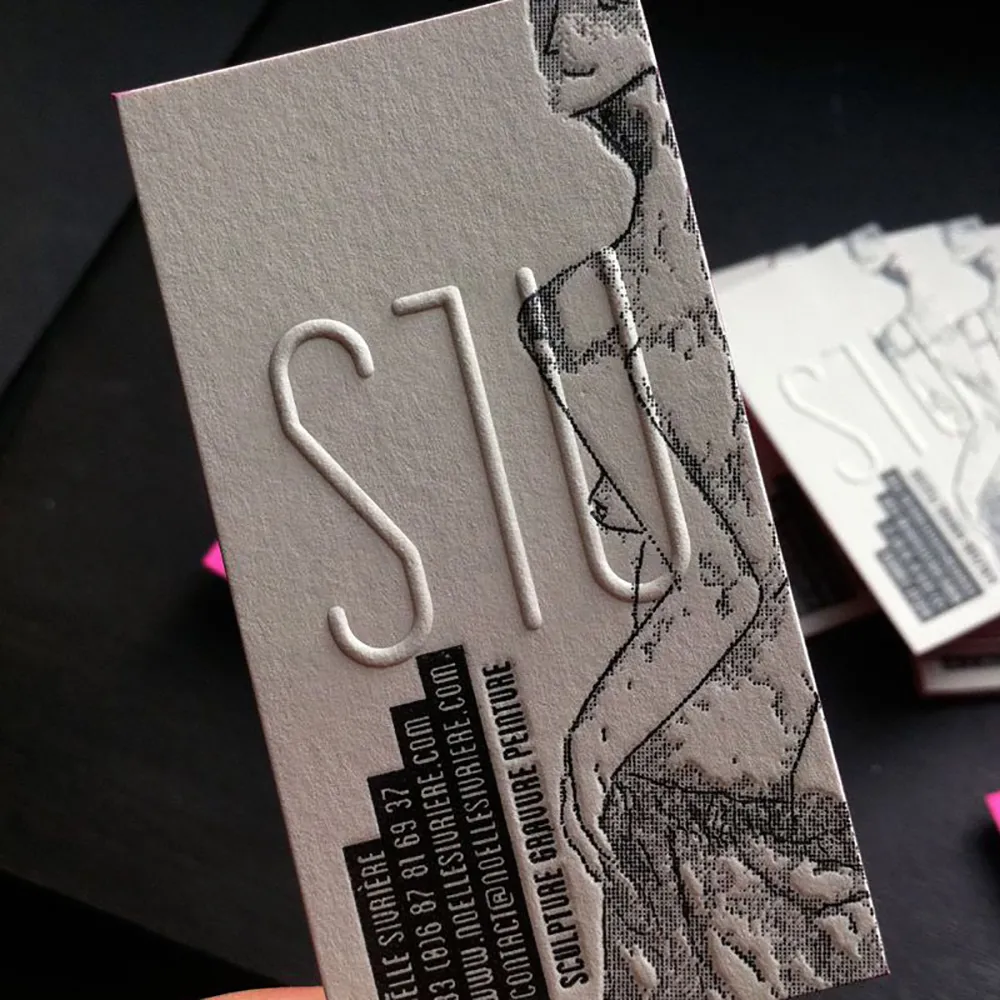
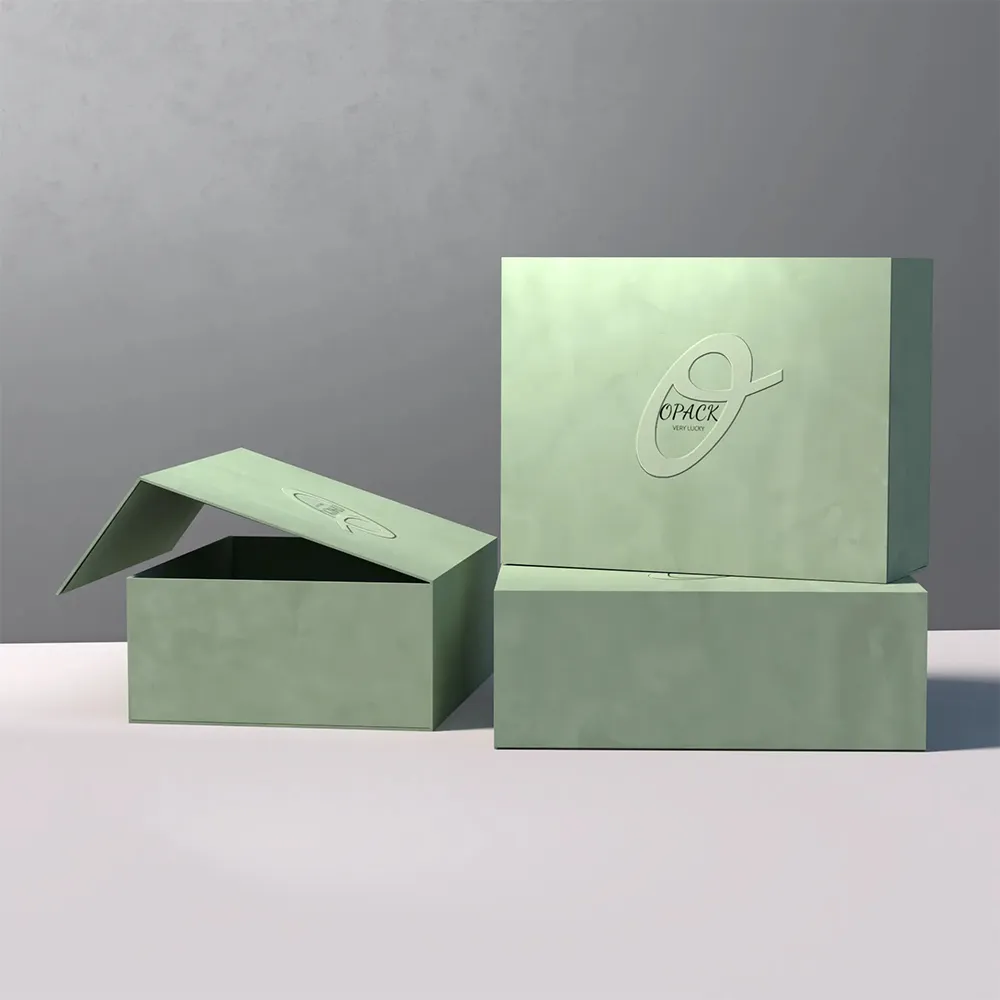
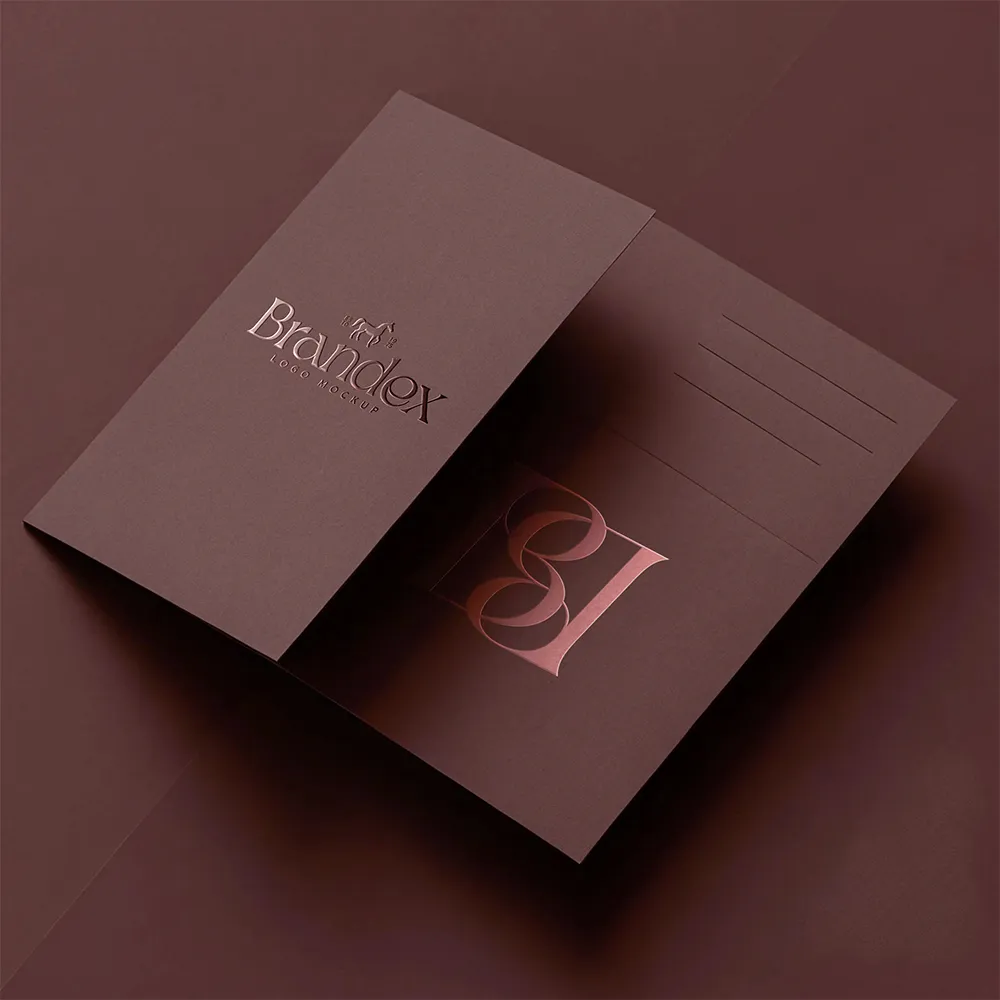
Flat print shows what a brand looks like; embossing and debossing show what it feels like before the box opens. That is why excellent cosmetic, spirits, and gifting brands waste on custom embossed packaging to signal quality on frame, not just in a photo. Our production team runs depth checks on every die first; a shallow strike reads as a flaw instead of a finish. Blind embossing and variety foil plus emboss both fall under this service, providing brands with a range from fine to bold.
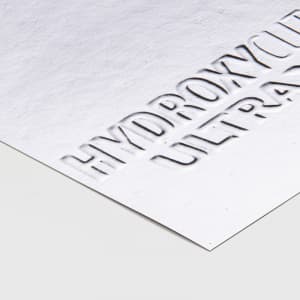
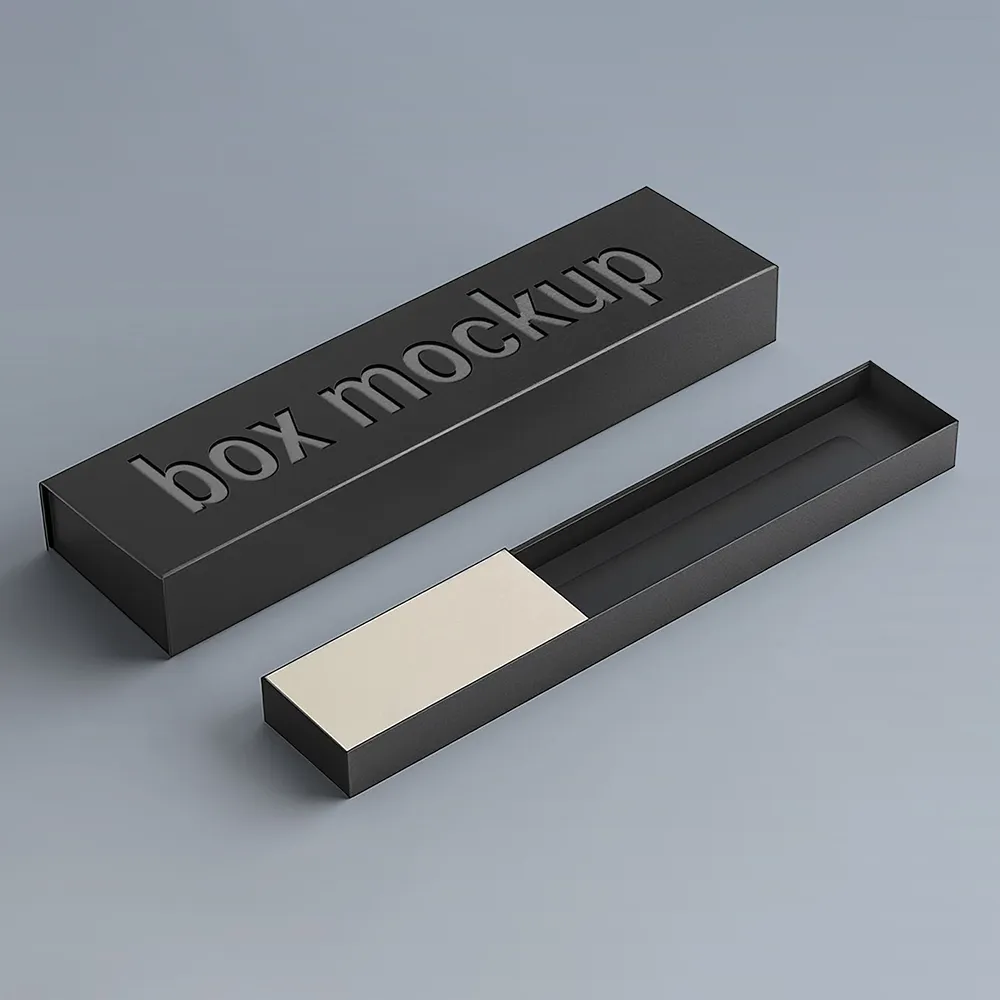
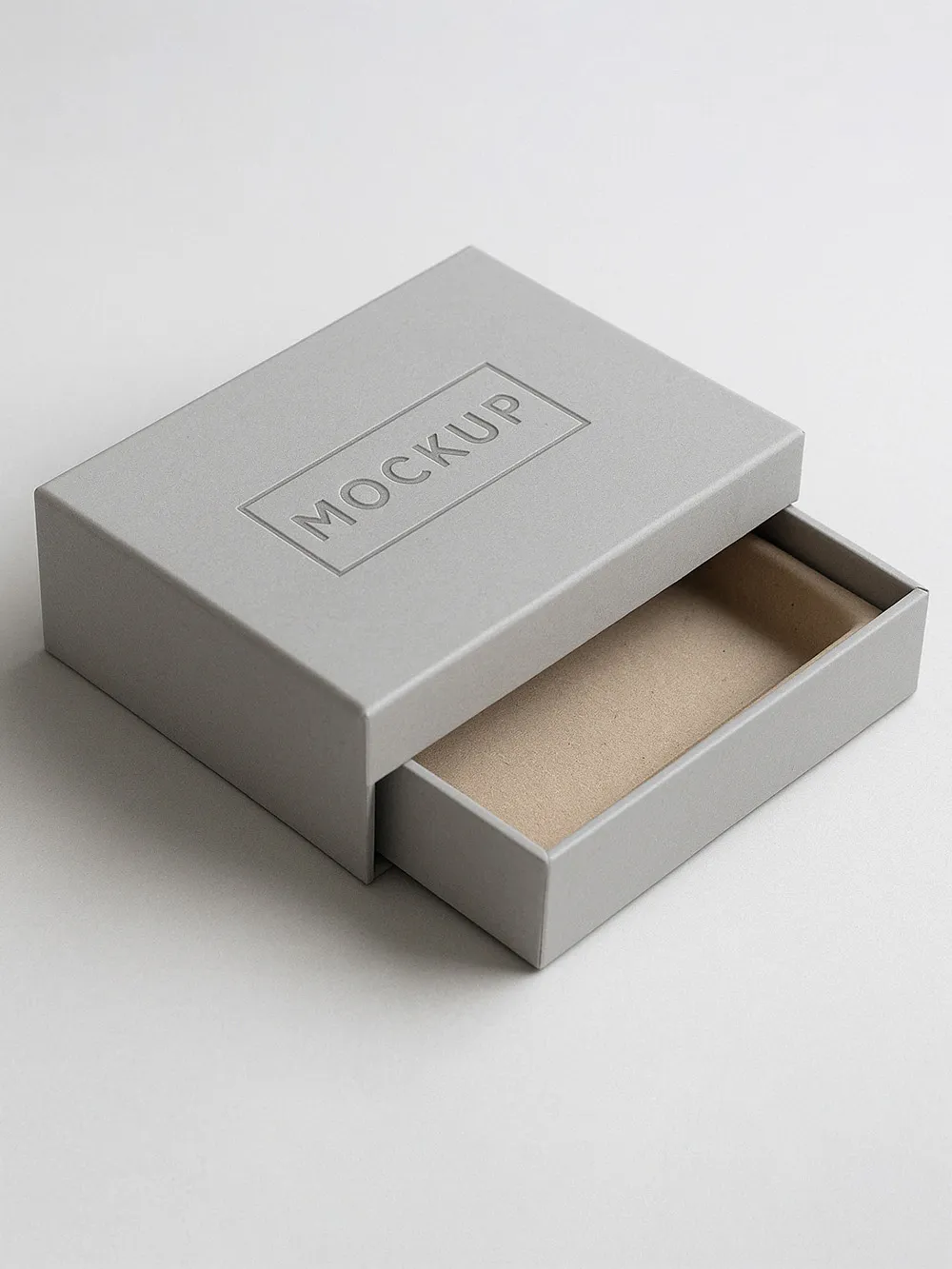
- Blind embossing and debossing: texture finish with no ink or foil, perfect for minimalist and matte-stock branding, used with in-house die-pressure testing on every run.
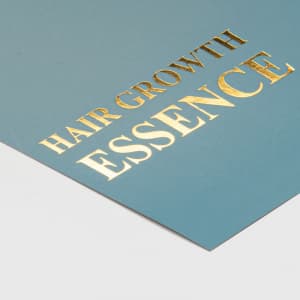
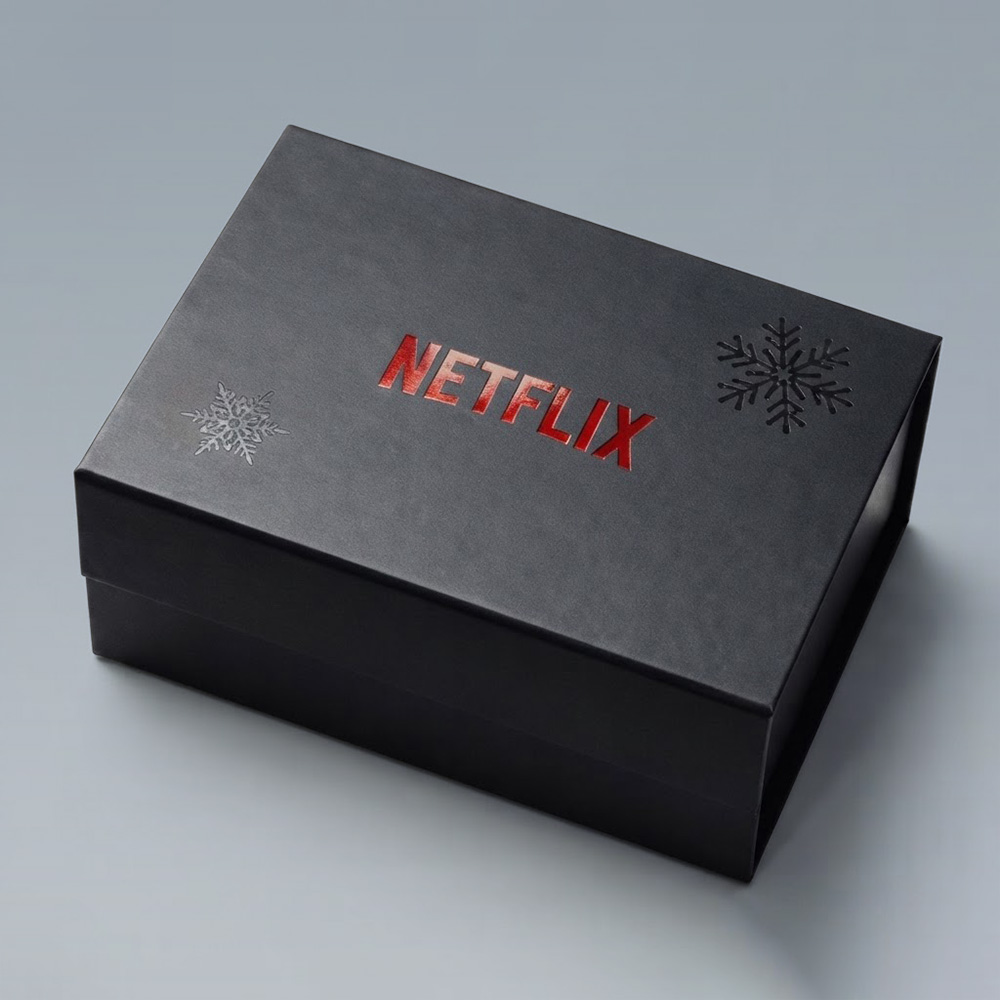
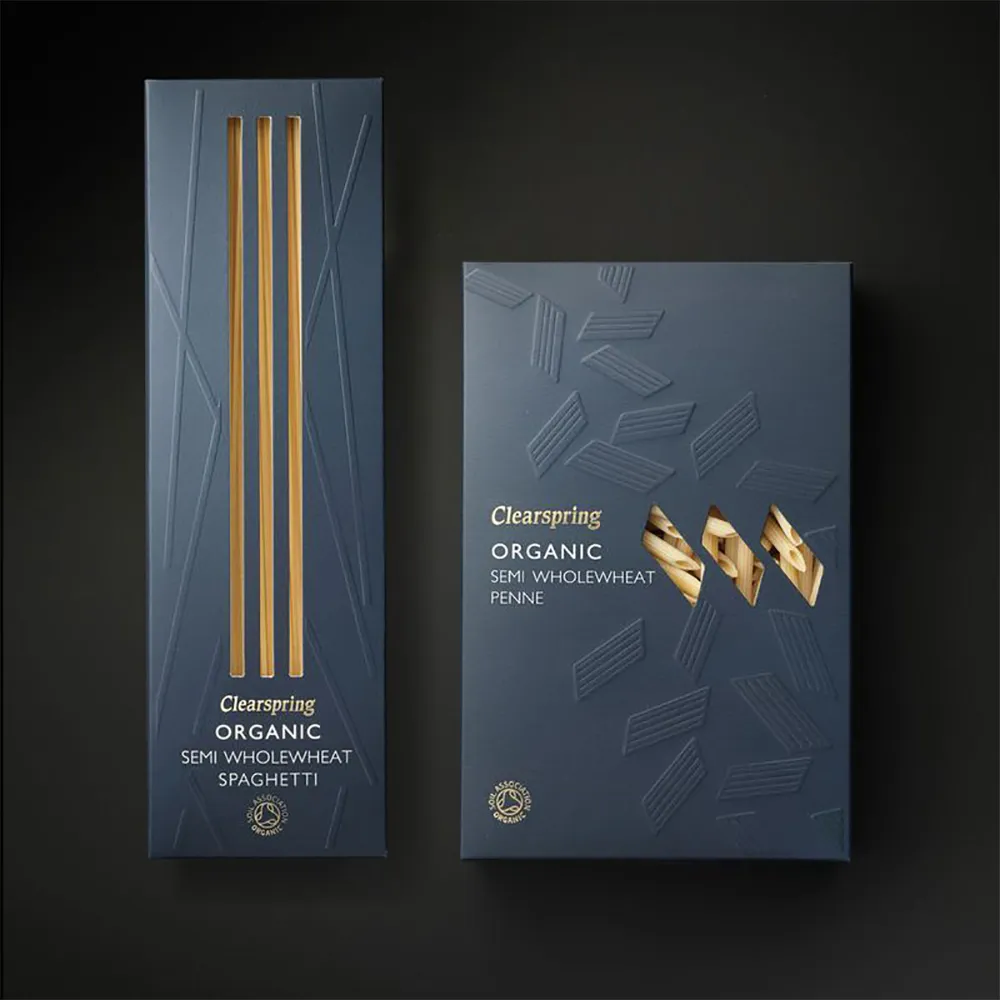
- Combination foil stamping and embossing: foil models inside or around the raised area for a finish that catches light and holds shape at once.
- Registration-checked multi-element dies: logo, pattern, and text elements cut from a single master file so nothing drifts out of alignment on longer runs.
- Depth texture across run length: our pressure-monitoring process flags die wear before a strike loses its crispness mid-batch.
- Stock compared pressure locations: painted, uncoated, and rigid board stocks each carry a separate amount of pressure to emboss cleanly.
How Does Multi Color Foil Stamping Work Alongside Embossing and Debossing?
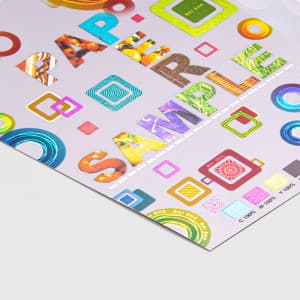
Foil stamping adds thoughtful color to a comprehensive or open area using heat and a metal die, and is spread down in more than one color per method. Multi-color foil stamping registers a separate die and dwell time for each color, so a two-tone logo strikes cleanly without bleeding. Too much heat or dwell time on fine linework causes foil bridging, which is why our foil-stamping technicians test dwell time on a proof sheet first. Combined with an emboss, foil stamping adds both texture and shine, a finish we also use on our Business Card Boxes USA line.
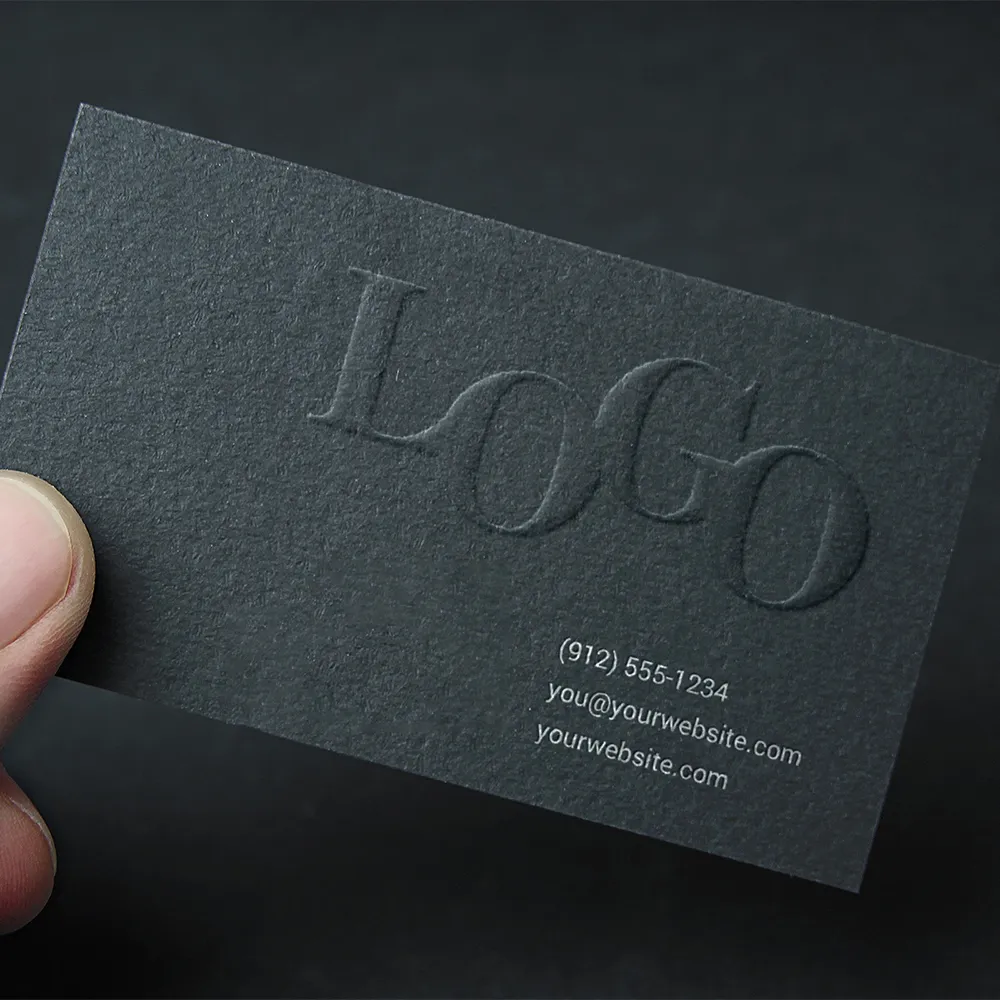
Embossed Logos and Debossed Textures That Make a Brand Recognizable by Touch
A logo a customer can feel is harder to forget than one they see once, which is the real value after embossed branding: it survives a glance, a photo, or a frame of flat-print competitors. One candle brand’s debossed wordmark on matte kraft, paired with a single-color gold foil strike on the mark only, outperformed their original all-foil design in customer photos. Uncoated and matte-laminated stocks hold emboss depth better than high-gloss coated stock, which cracks at the raised edge under handling. Brands often pair an embossed lid with a foil-stamped interior card, a finish we also carry across our custom jewellery packaging line.
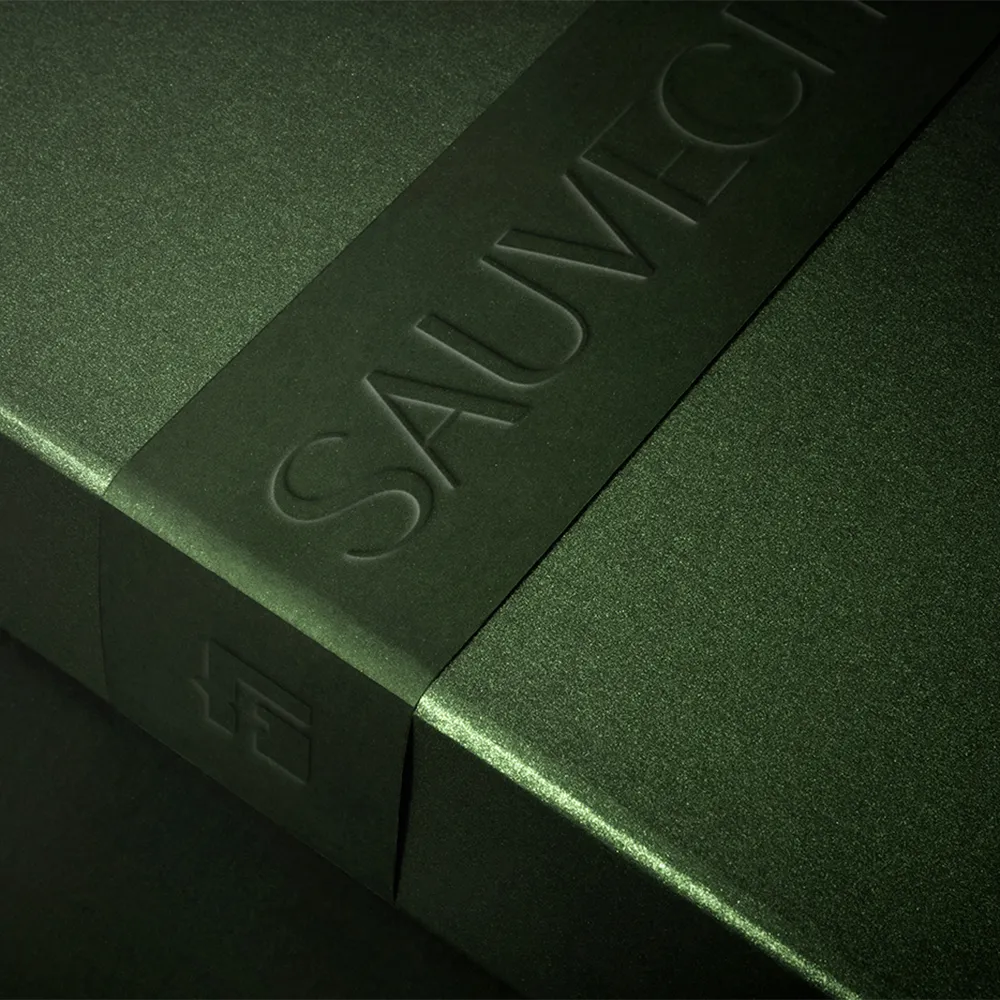
- Debossed wordmarks and monograms, recessed detail that reads as understated luxury, popular on candle packaging USA and spirits cartons.
- Mixture emboss and foil branding texture plus color for logos that require carrying the most weight on a page or frame.
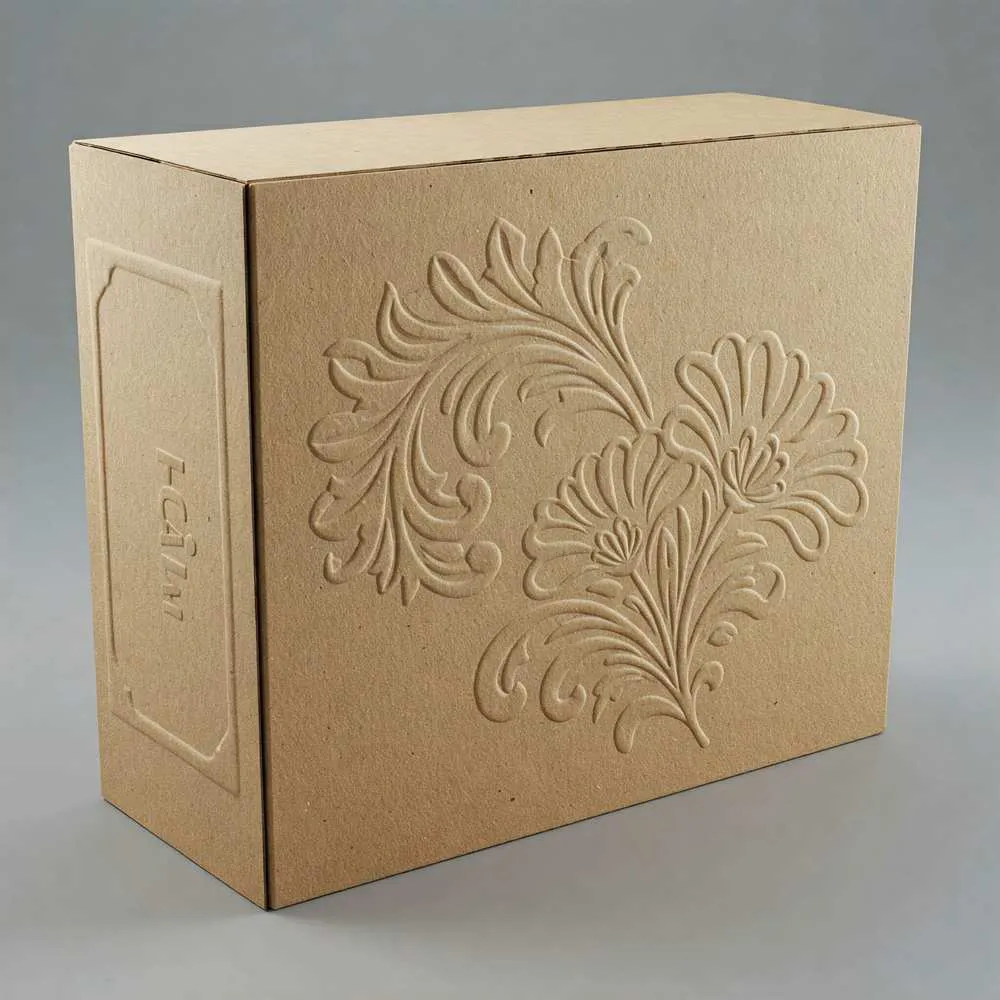
- Pattern and texture embossing: board textures linen, leather-grain, geometric applied beyond just the logo area, using in-house tooling cut to the exact panel size.
- Interior card and insert embossing extending the tactile finish past the outer box into unboxing elements, with a matched foil or blind strike.
- Small-batch and limited-run tooling die costs scaled for shorter runs, so a seasonal or limited-edition SKU doesn’t carry the same tooling cost as a running annual order.
Why Hale Path Packaging Is the USA’s Trusted Embossing and Debossing Partner
Getting an emboss right on the first run comes down to die quality and pressure control, and that’s where Hale Path Packaging’s production experience shows up. On one recent order, a depth-gauge spot check midway through a long print run caught a counter-die that had started losing pressure from wear, flattening the emboss slightly on later boxes. Resetting the die pressure at the planned interval kept the full run at matched depth instead of shipping a batch with visibly inconsistent strike quality. We hold FSC Chain of Custody certification on paper and board stock and run in-house die-pressure and depth testing on every job, the same standard we apply across our Rigid Leather Boxes USA range. MOQ starts at 100 units, with 7–14 working day turnaround on standard embossing and foil-stamping orders, enough runway to proof a die properly rather than rush it.
Explore more of our related packaging products from Hale Path Packaging:
Frequently Asked Questions
What is blind Embossing and Debossing?
A texture emboss with no ink or foil added, relying purely on light and shadow to show the technique.
What stocks can be embossed or debossed?
Painted and uncoated paperboard, kraft, and rigid box cover all take an emboss; gloss-coated stock holds the least depth over time.
Is embossing or debossing sufficient for a logo?
Embossing handles to stand out on light or matte stock, and debossing reads as quieter and is standard on darker or textured stock.
Blind emboss vs. foil emboss: which lasts longer in transport and handling?
Blind emboss on matte or uncoated stock tends to hold its depth more adequately under repeated handling than foil, which shows wear at contact borders first.
How much does custom embossing cost for a small packaging run?
Cost relies largely on die size and run length; smaller dies and short runs support tooling cost proportionate to the order.
Do I need a new die for every design?
Each unique structure or logo requires its own custom die, which is a one-time tooling cost separate from the per-unit price.
Can Embossing and Debossing packaging be shipped nationwide without losing finish quality?
Properly cured foil and correctly pressured emboss strikes hold up through standard domestic freight handling.
Is there a lower-impact alternative to foil stamping for brands prioritizing recyclability?
Blind embossing without foil is compatible with standard paper reclaim streams and is constantly requested for that reason.