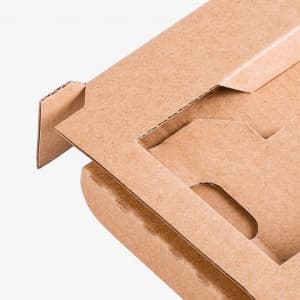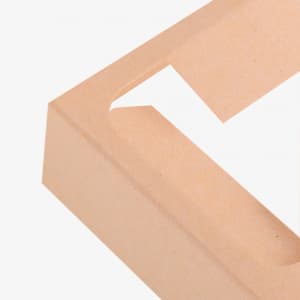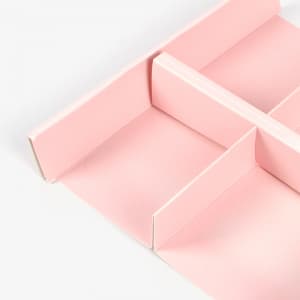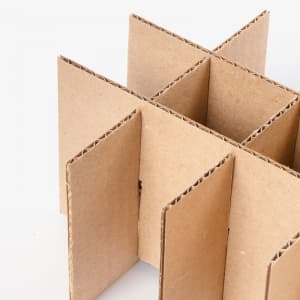

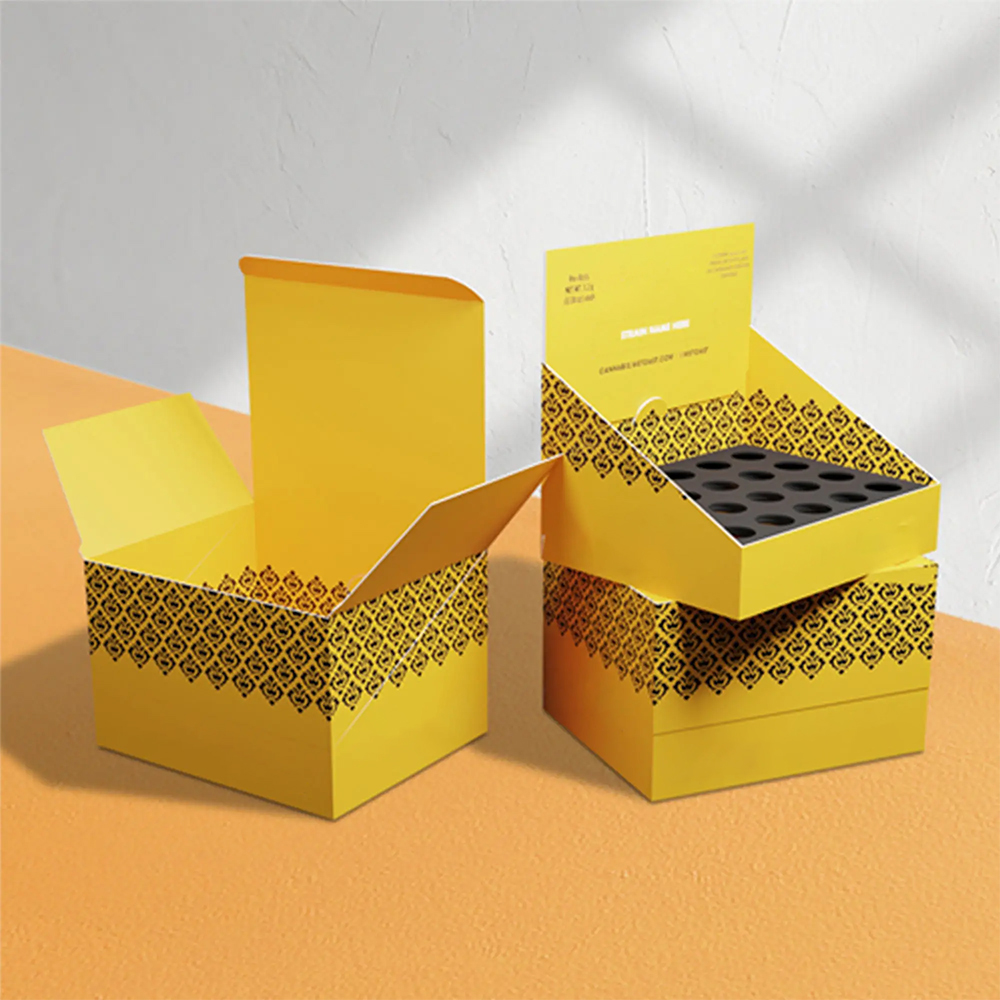
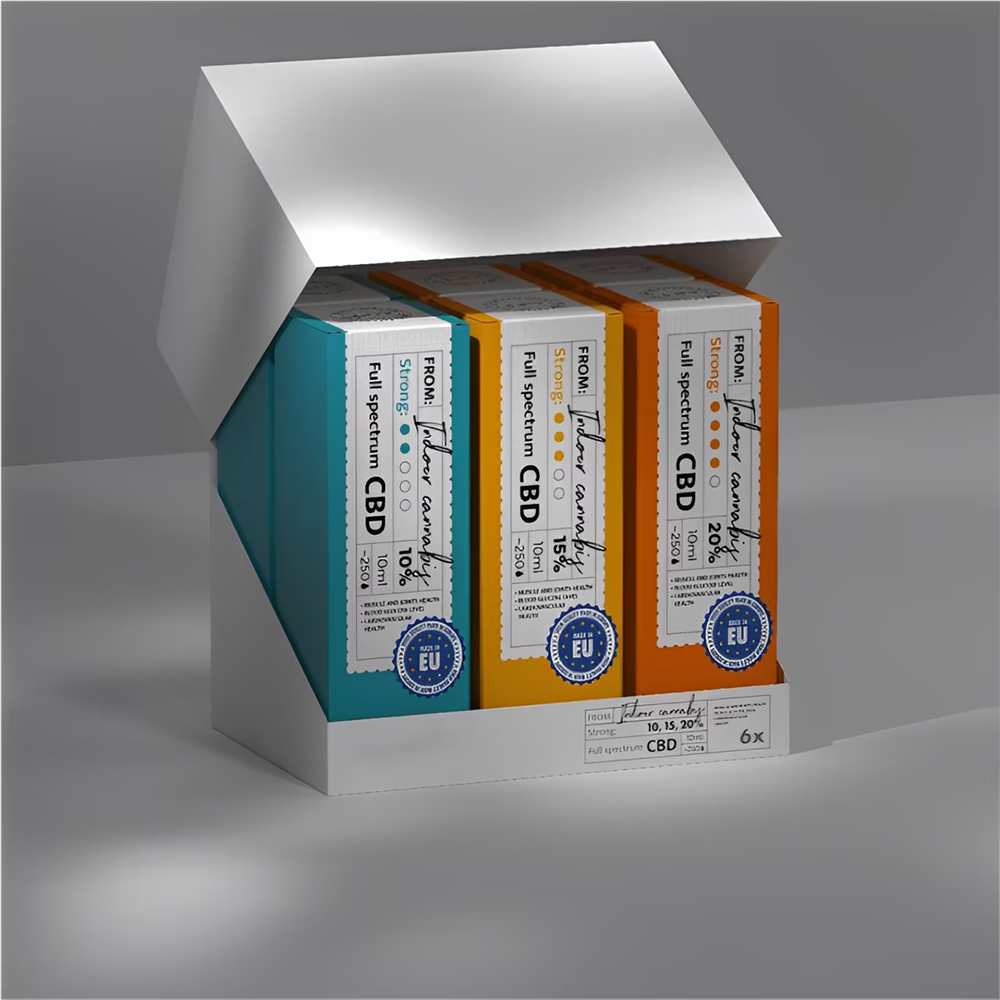
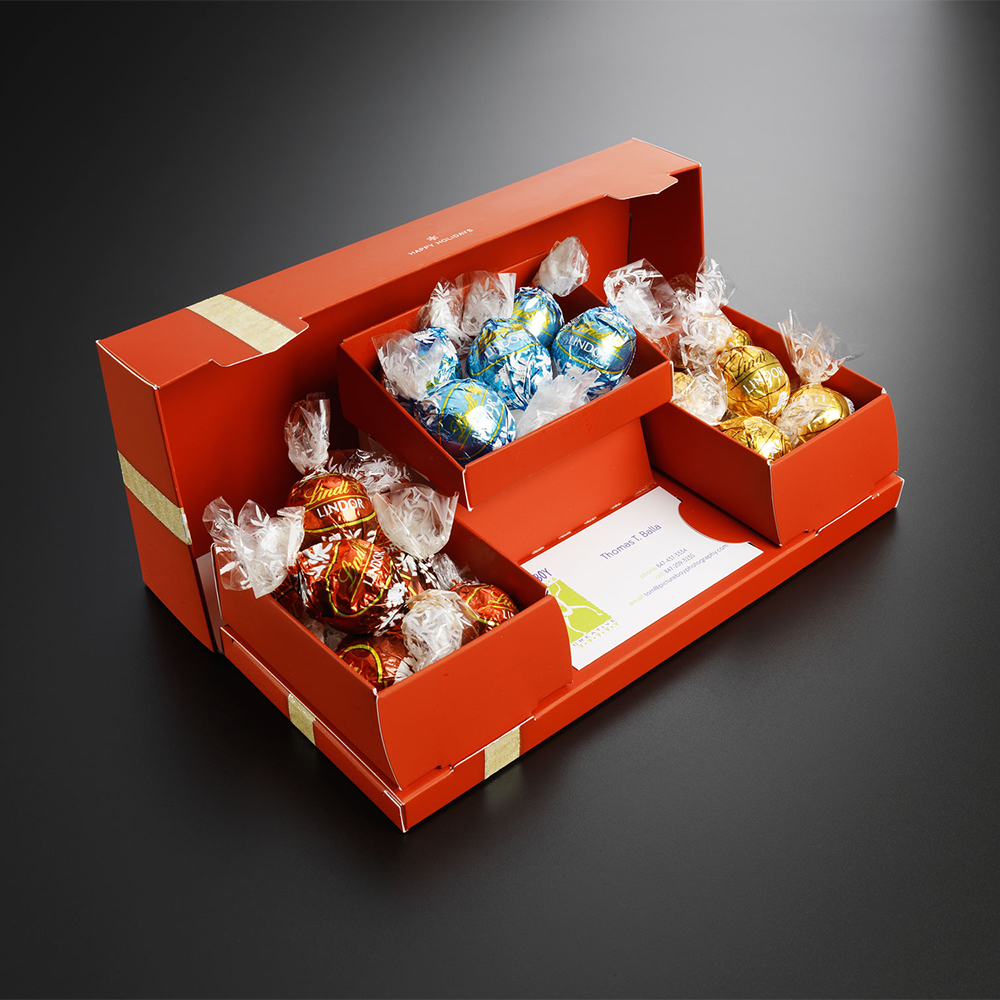

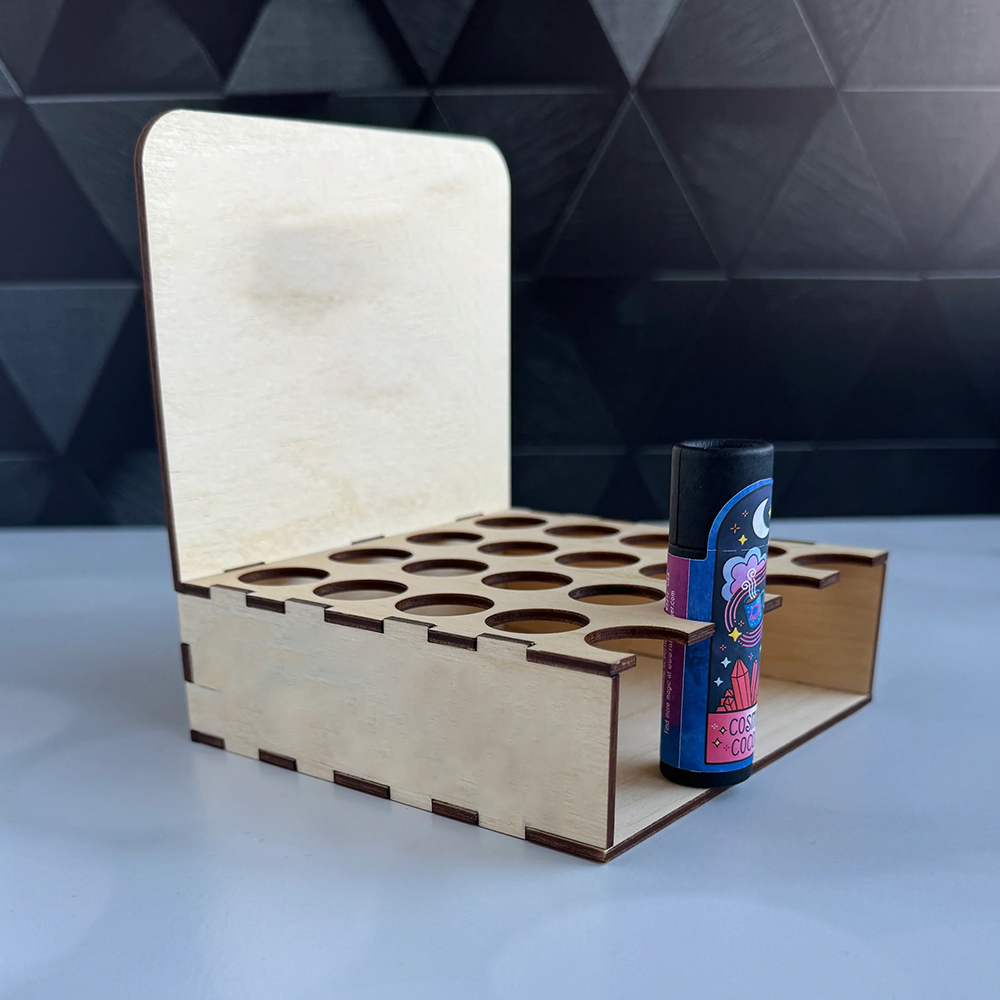
Custom Counter Display Boxes
I’ve walked into more than one store and found a brand’s counter display sitting flat in a back room, never assembled, because nobody on staff had five minutes and clear instructions to put it together. That single failure wastes an entire order. Counter display boxes has one job beyond holding the product: it has to survive contact with a real retail employee who has no time, no patience, and no reason to fight with your packaging. Everything else, the branding, the finish, the shape, only matters once that first hurdle is cleared.
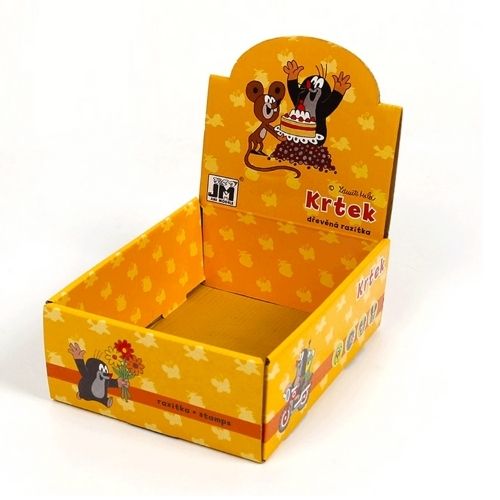
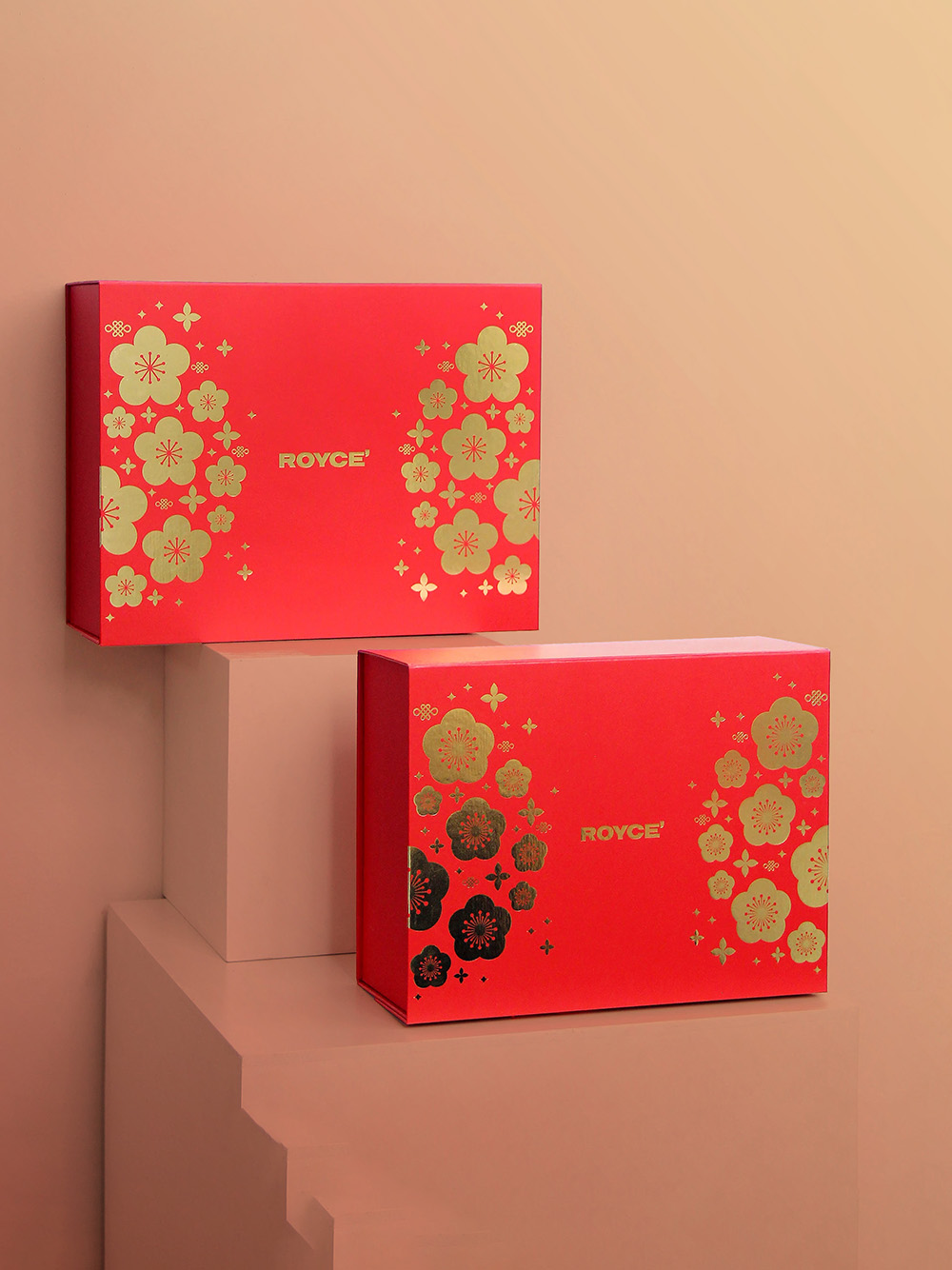
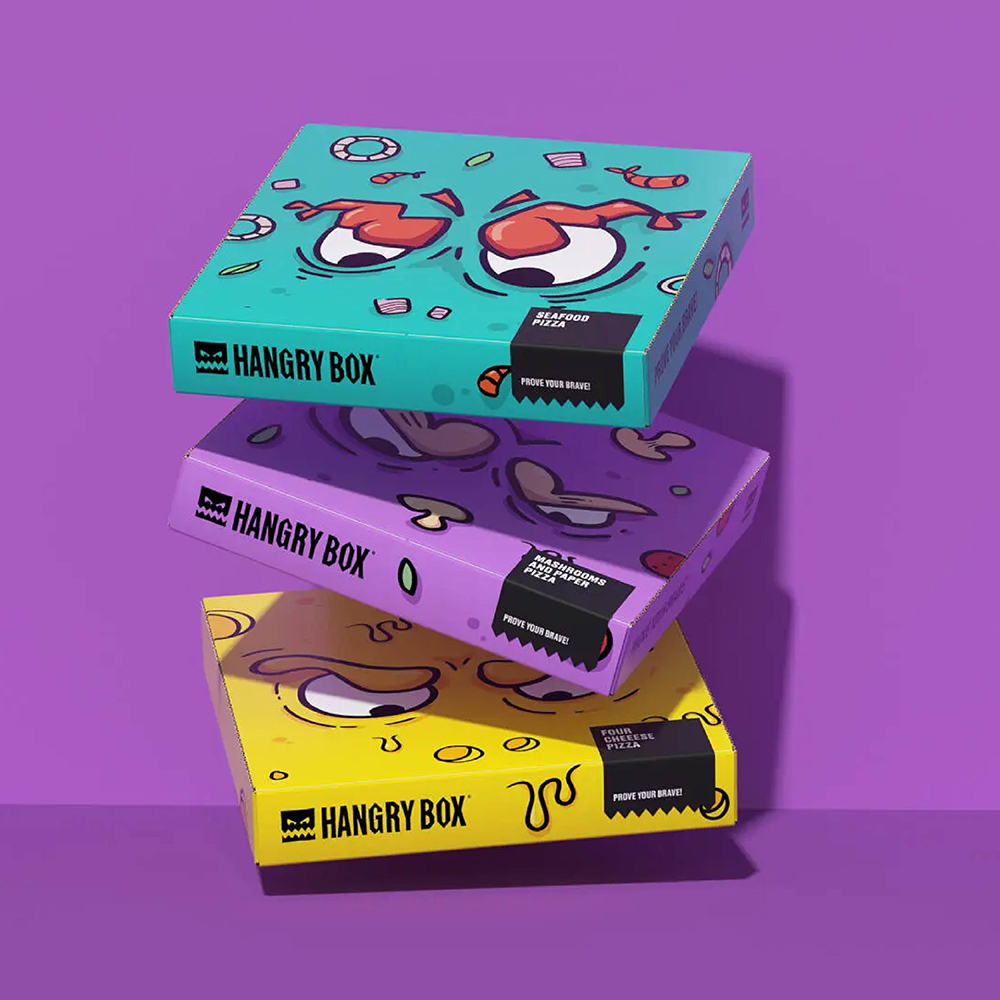
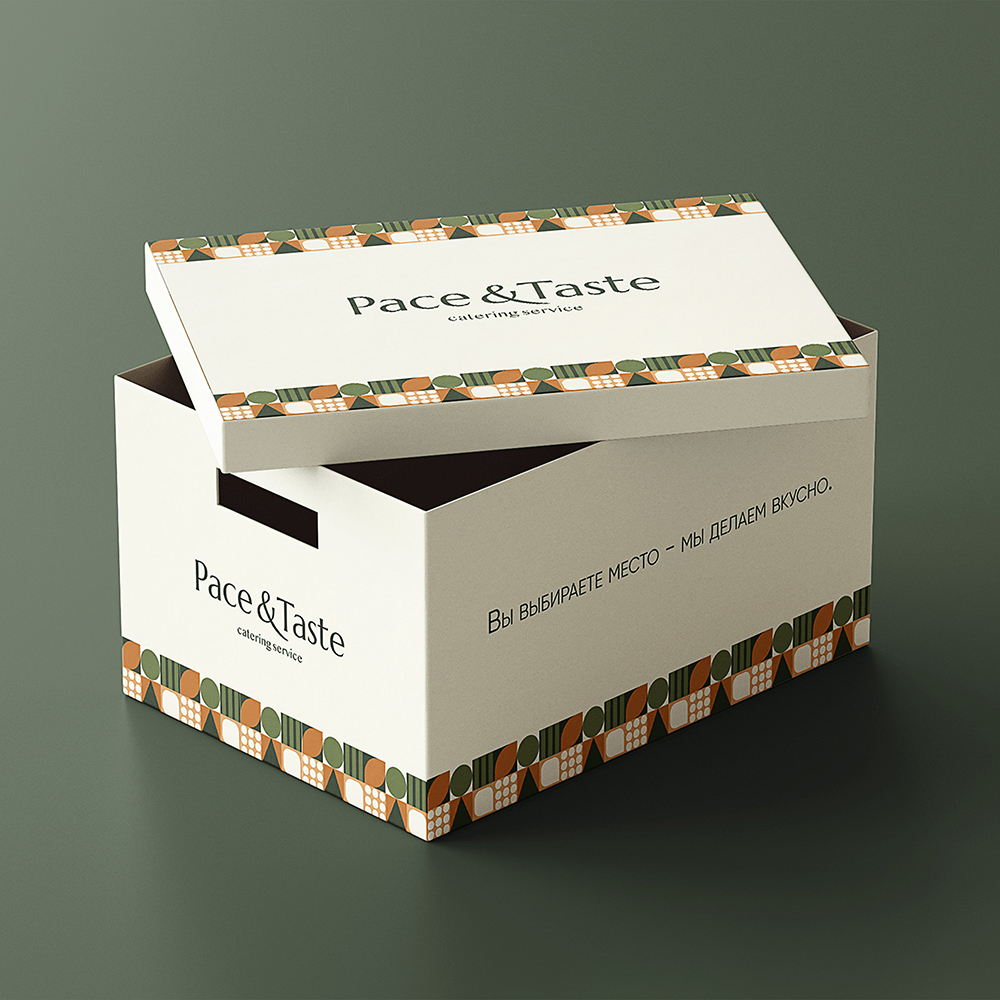
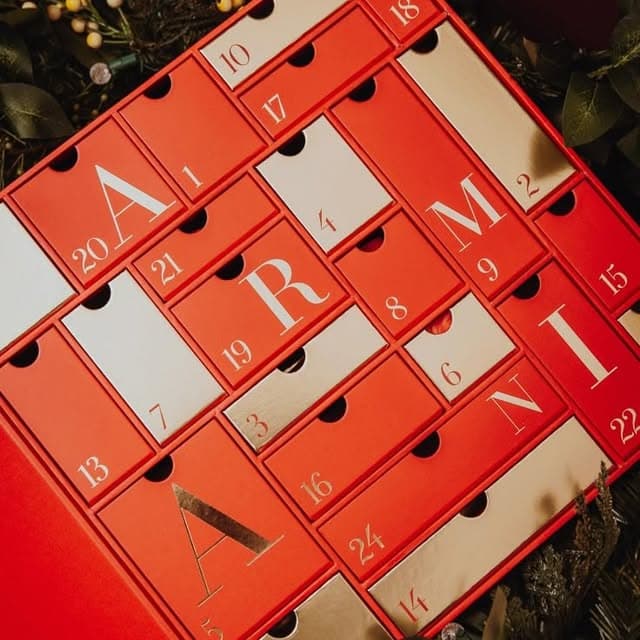
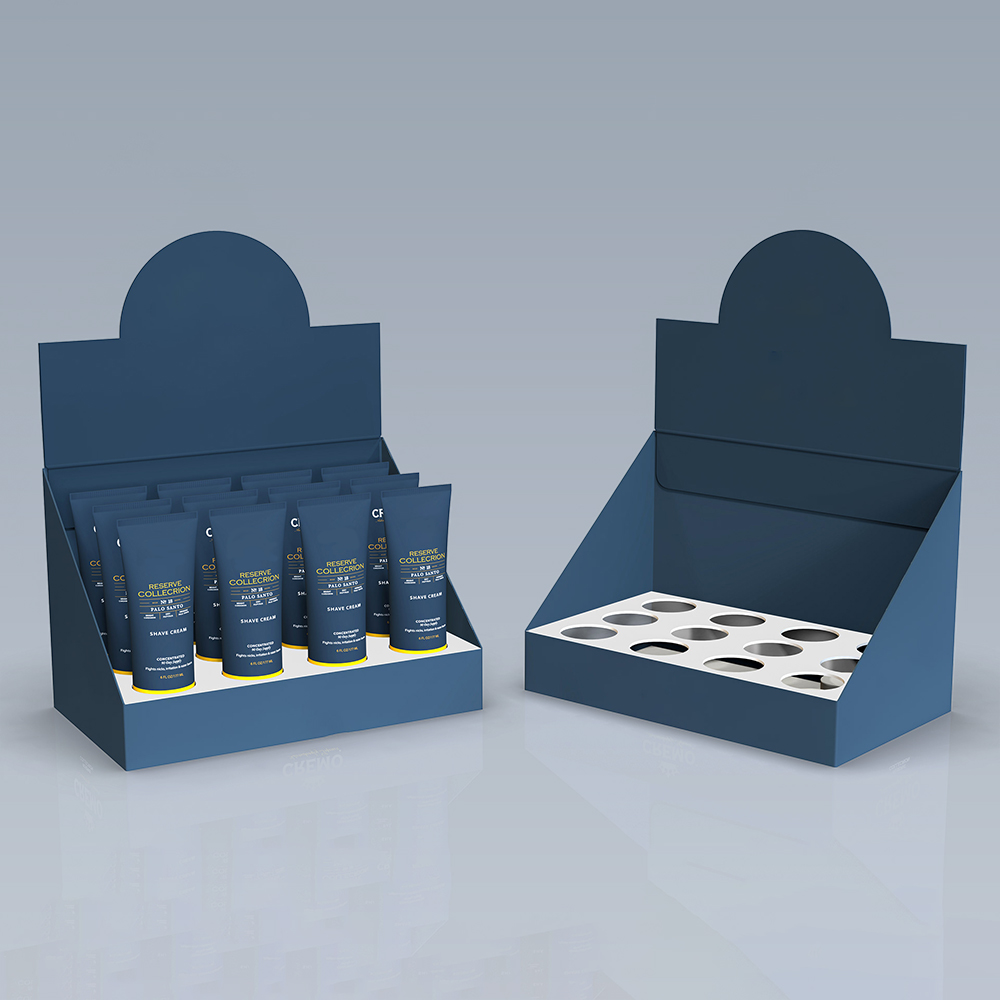
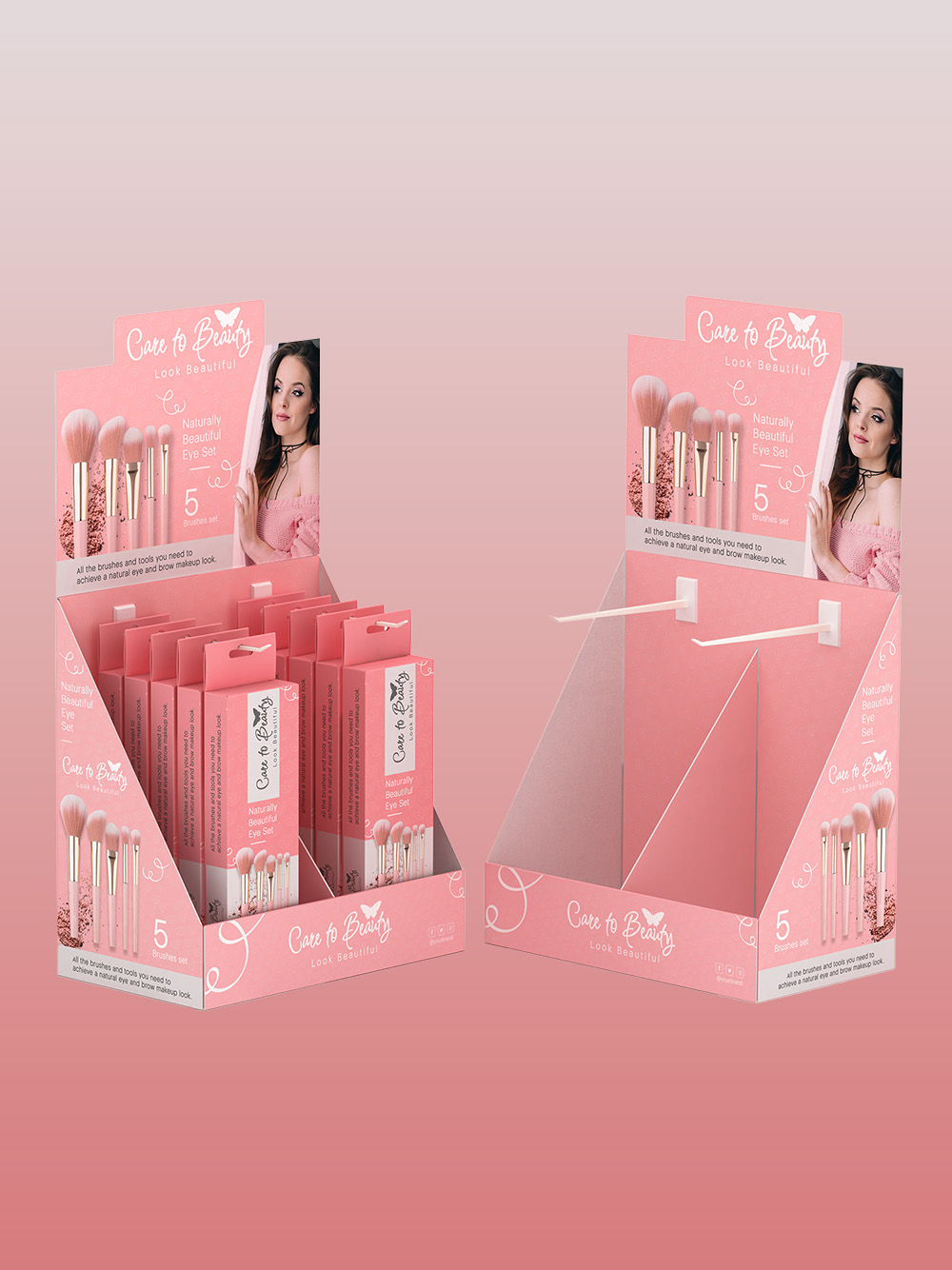
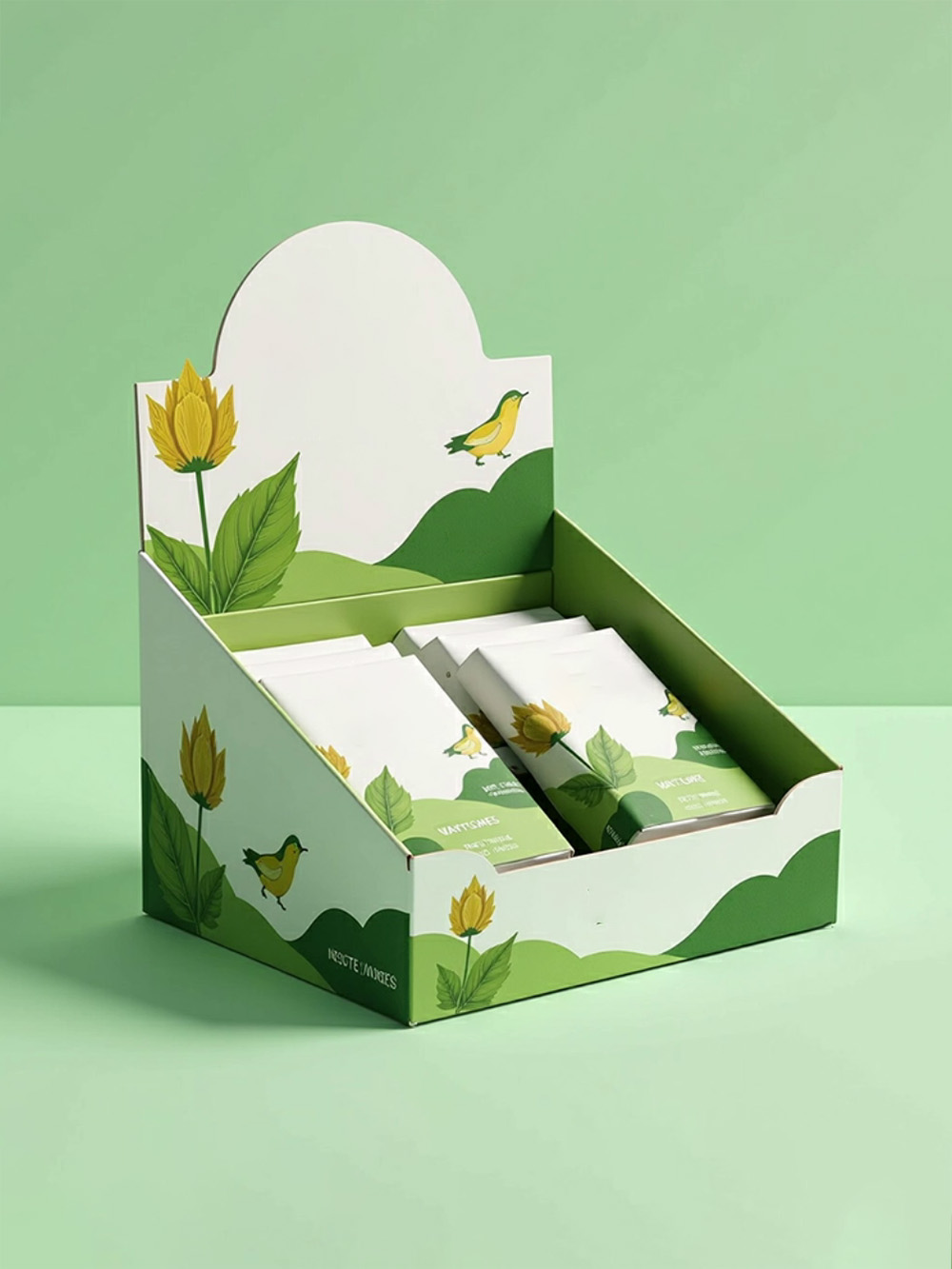
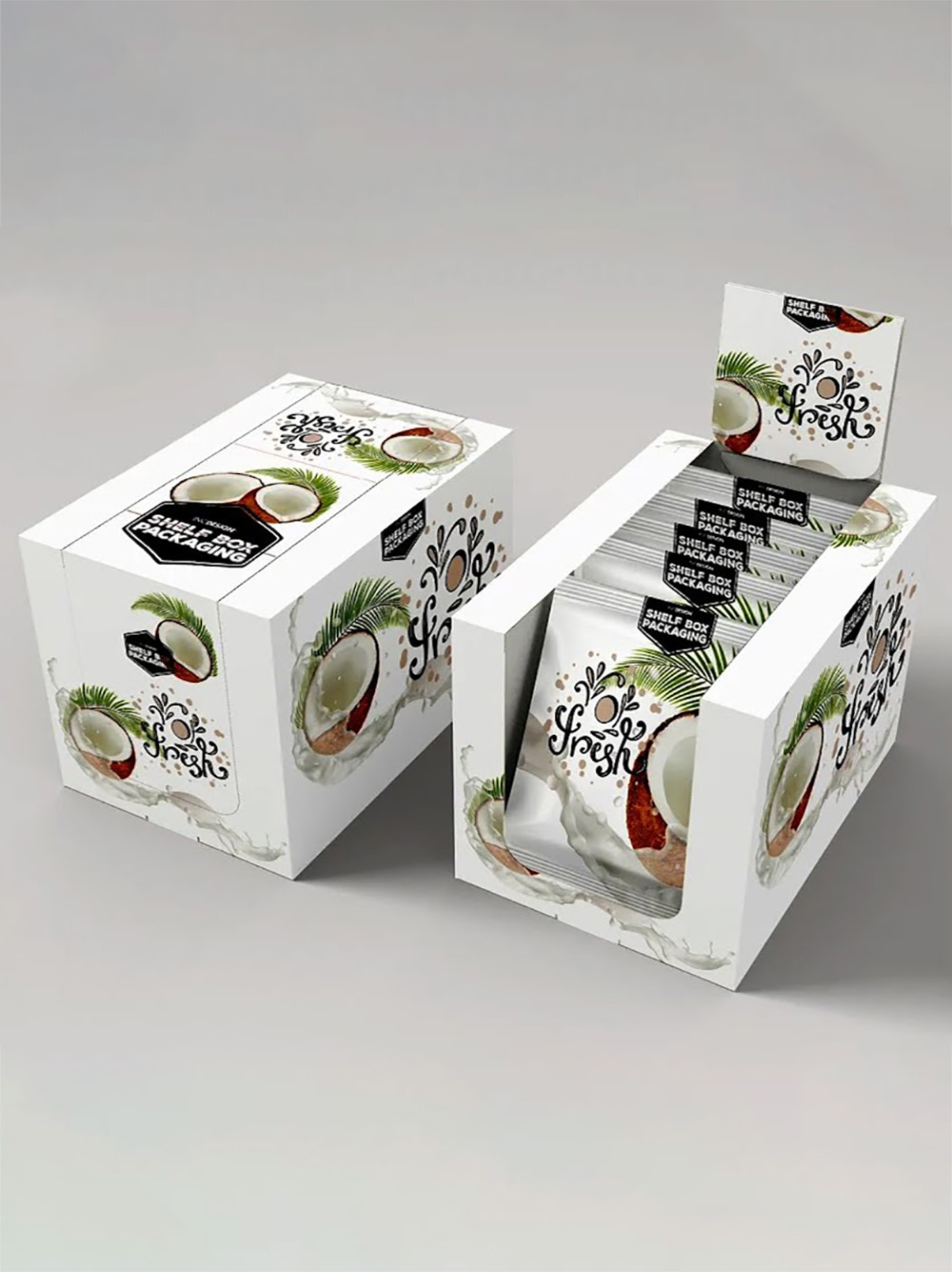
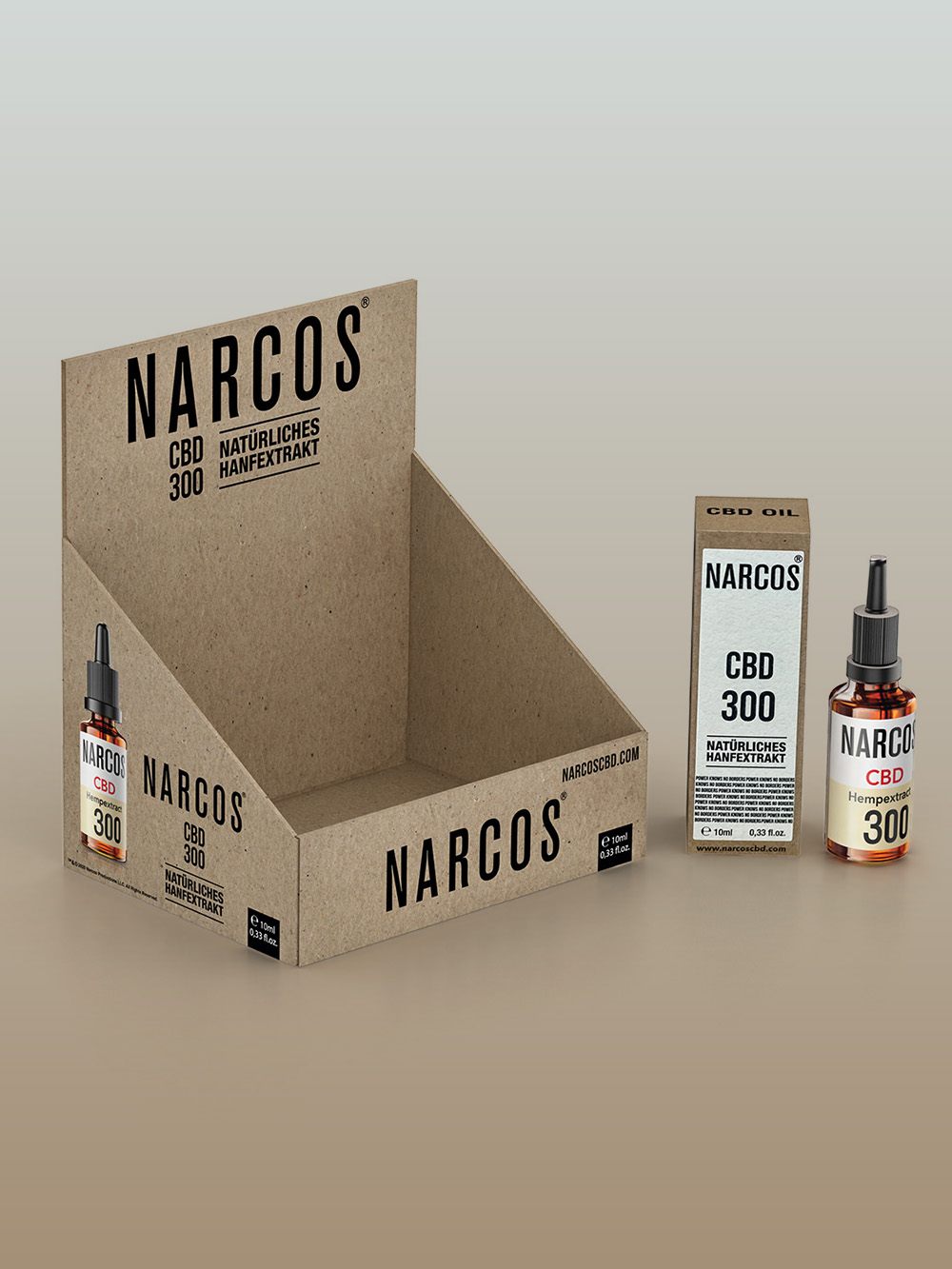
Custom Counter Display Boxes Gallery
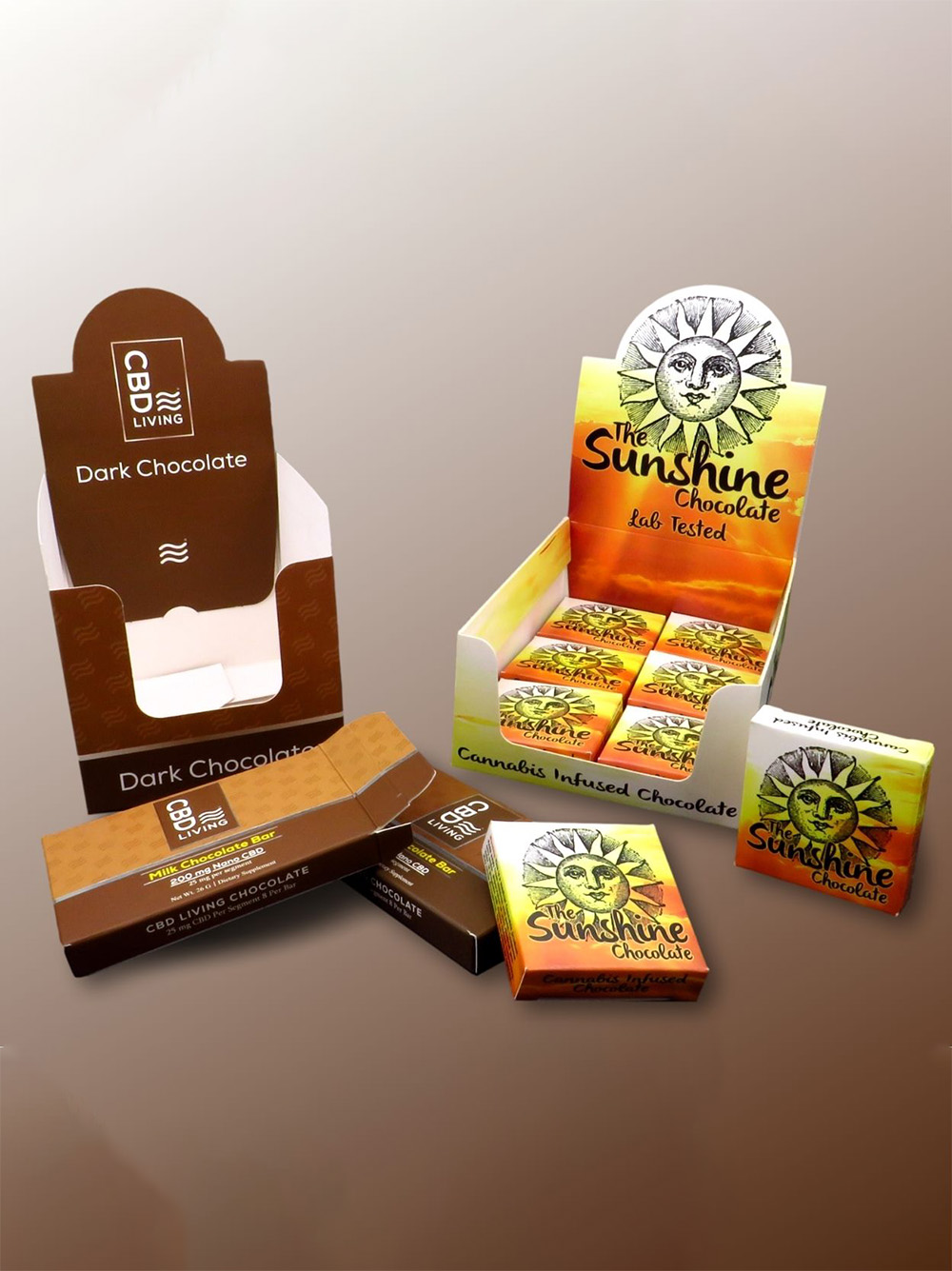
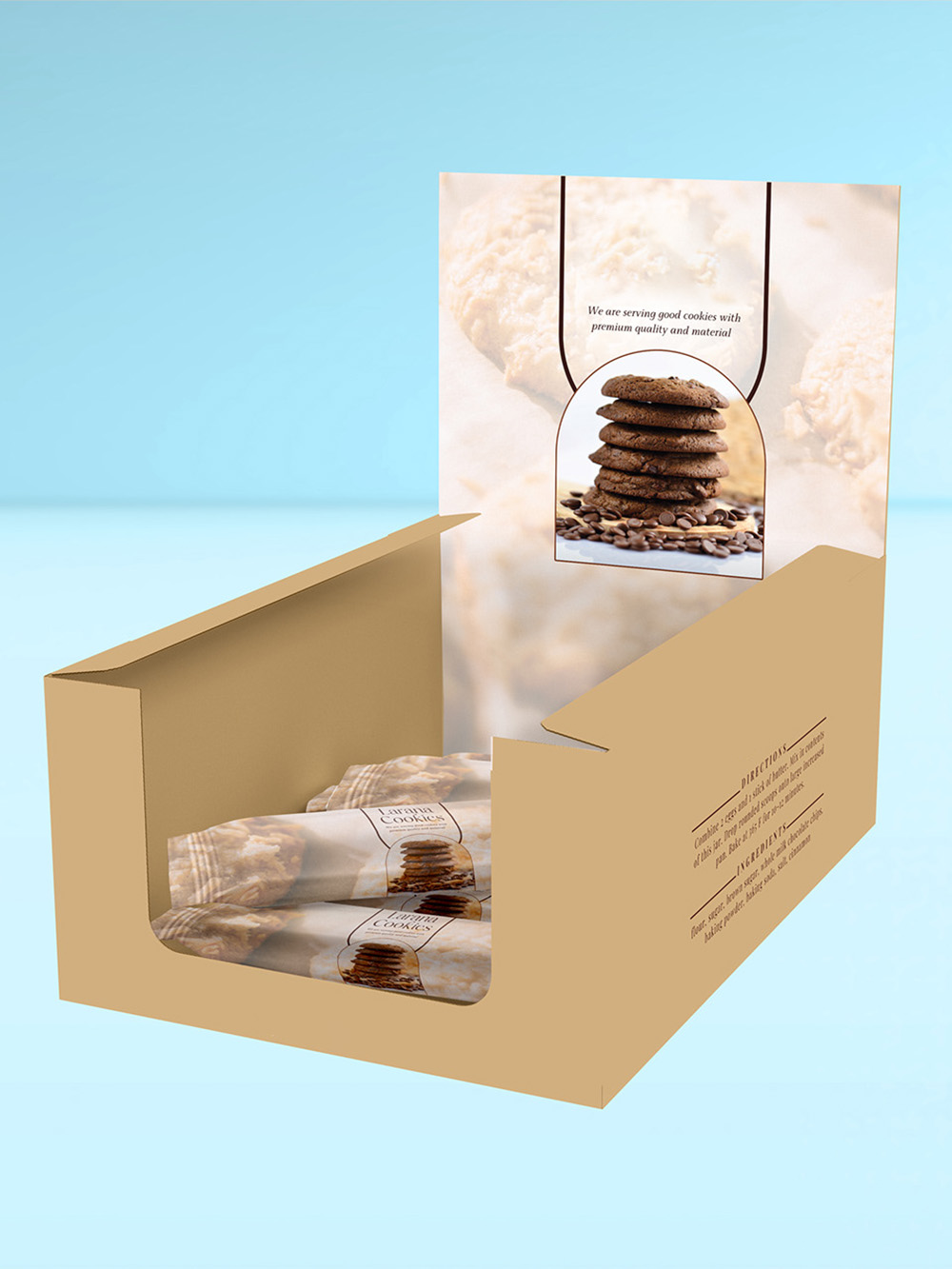
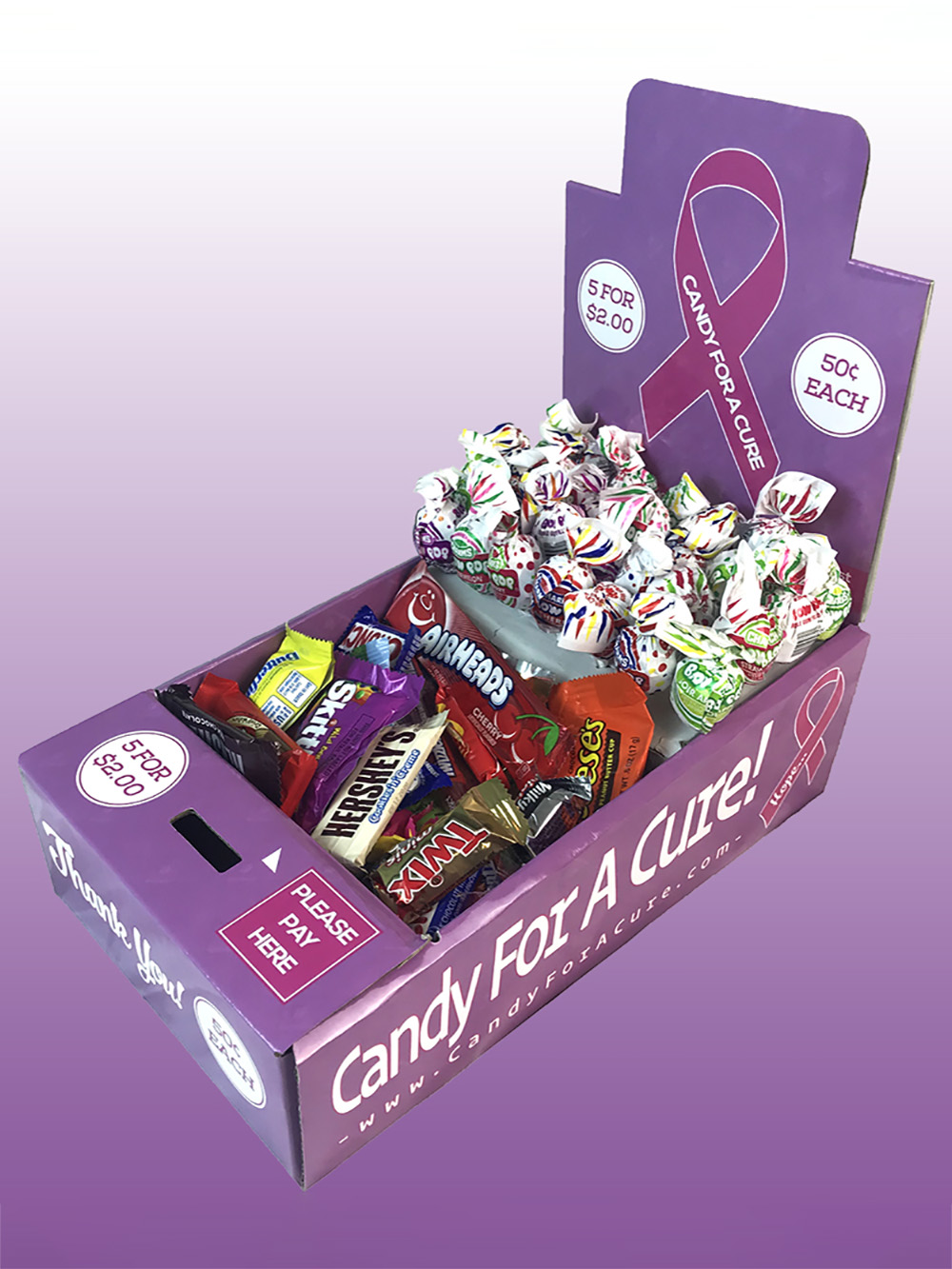


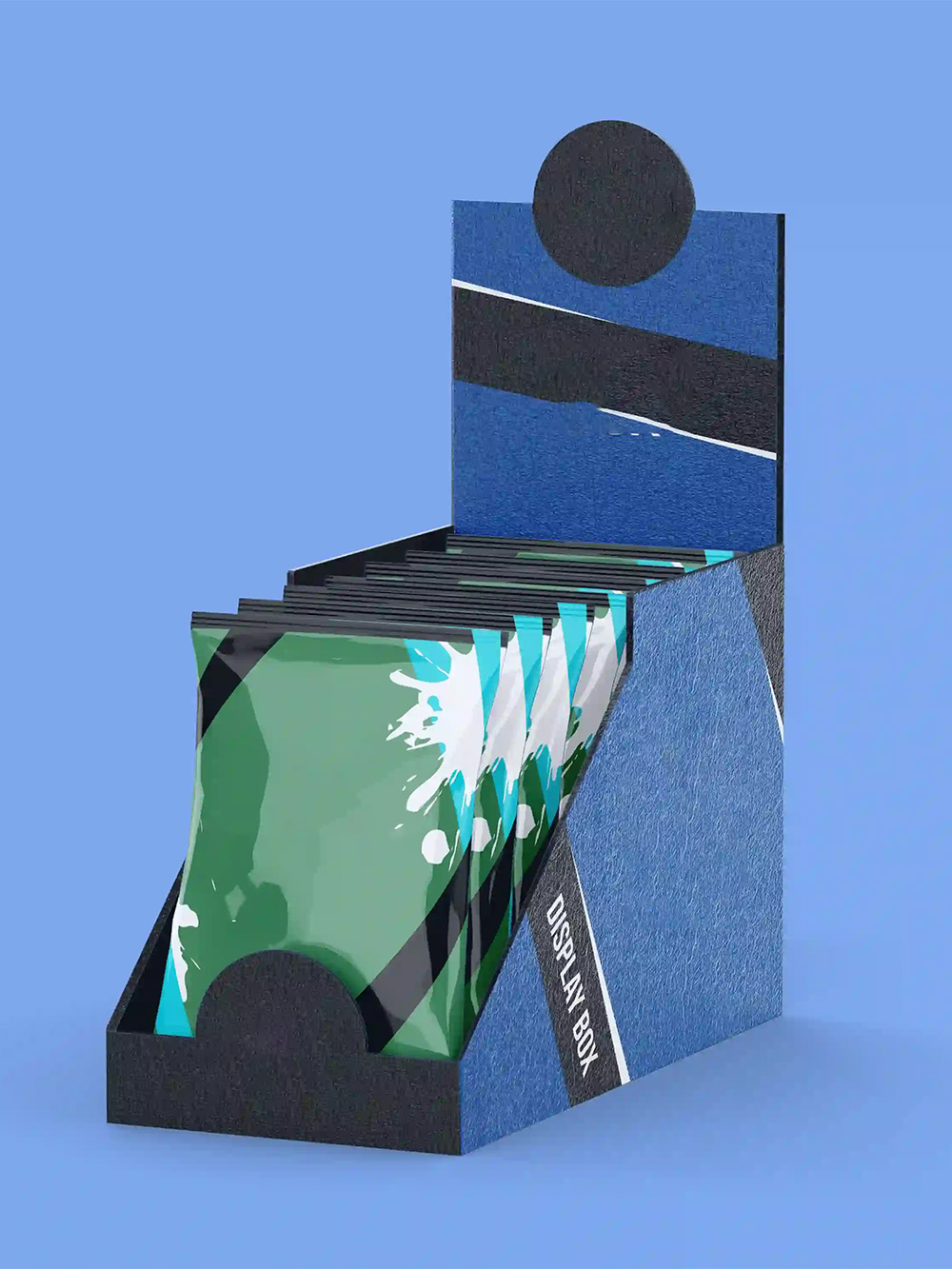
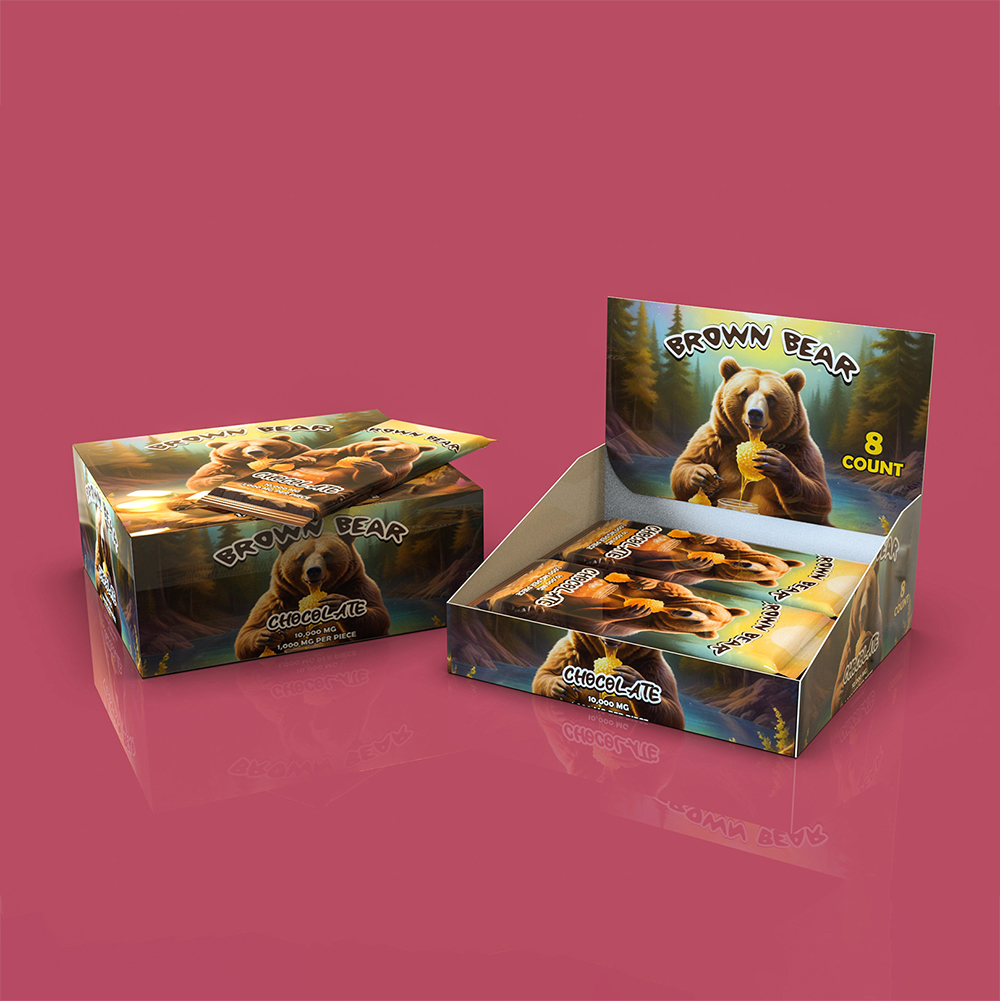
The Assembly Problem Nobody Budgets For
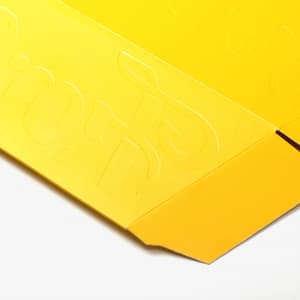
Most counter display failures aren’t structural, they’re behavioral. If a display takes more than a minute or two to set up, or the fold sequence isn’t obvious without instructions, a lot of retail staff will simply leave it in the box. We build our displays around a simple, self-locking fold structure that doesn’t require glue, tools, or a diagram taped to the side. If your product is heading to a lot of independent locations rather than one warehouse with trained staff, this single detail decides whether your display actually ends up on the counter.
Flat Pack or Pre-Assembled: Which One Do You Actually Need?
This is a real tradeoff, not a formality. Flat-pack, knocked-down displays ship cheaper and store easier before they reach the retailer, but someone has to assemble them on site. Pre-assembled displays cost more to ship because they take up their full dimensional shape in the truck, but they arrive ready to load with product immediately, no staff time required at the store level. If you’re shipping to a handful of locations you control, flat pack usually wins on cost. If you’re shipping to dozens of independent retailers with no guarantee anyone will assemble it correctly, pre-assembled protects your investment even at a higher shipping cost.
Will This Survive the Full Length of a Promotion, Not Just the First Week?
A display that looks great on day one and sags by week three has failed just as completely as one that never got assembled. Product weight, repeated handling by customers picking items up and putting them back, and simple humidity in a busy store all wear on a display over time. Single wall corrugated is fine for light, low turnover items. Anything heavier, or anything sitting out for a multi-week seasonal push, needs double wall board and a genuinely reinforced base, not just a thicker looking box.
Print That Still Looks Sharp Under Store Lighting Three Weeks In
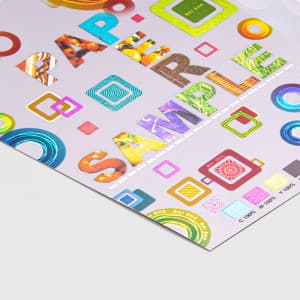
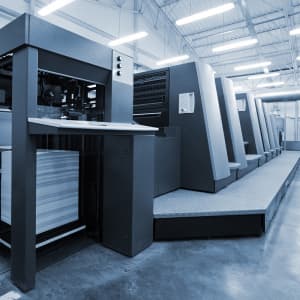
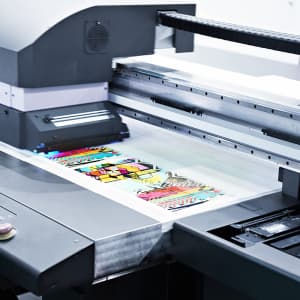
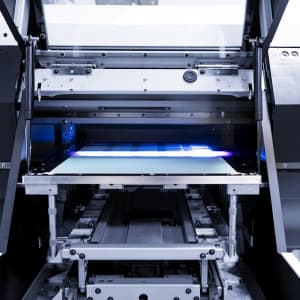
Fluorescent and LED retail lighting is harsher on ink than most people expect, and a display that looked vibrant in your design proof can dull noticeably by the middle of a promotional run. We print with fade resistant inks specifically for this reason, the same printing process we use across our custom printed cardboard boxes line, but color choice matters too. Deep saturated colors and high contrast graphics hold up visibly better under sustained store lighting than pale or low contrast designs.
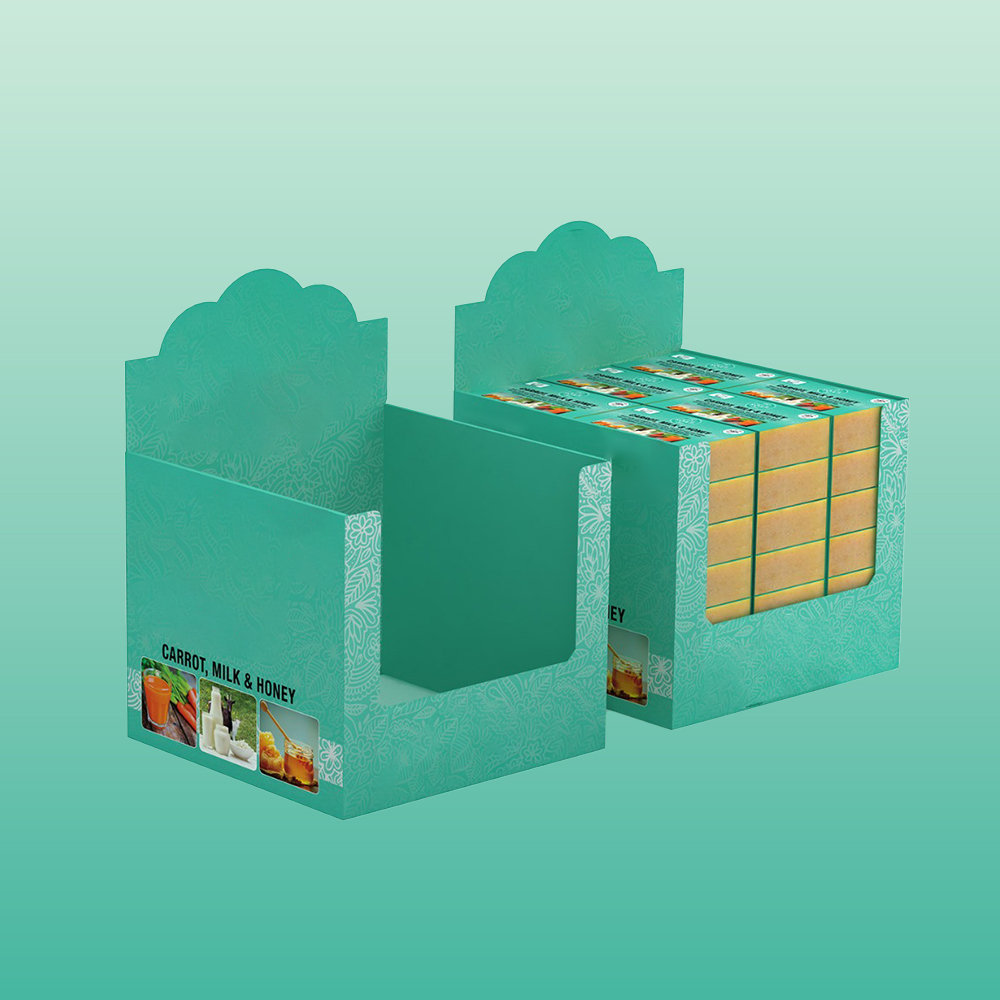
Getting a Display Approved by a Big Box Retailer
If you’re placing products with a major retailer, your display has to clear their packaging routing guide before it ever reaches a shelf, and this catches more brands off guard than almost anything else in this category. Weight limits, footprint dimensions, and even specific board grades are often dictated by the retailer, not by you. We build to these specifications directly when you tell us which retailer’s program you’re targeting, rather than handing you a generic display and hoping it clears review. This is worth raising with us before your first proof, not after a rejection.
Ordering for One Region Instead of a National Rollout
A lot of counter display suppliers are built for national launches, five thousand units minimum, one design, done. That leaves smaller brands and single-region test placements stuck either overordering or going without a real display at all. Our minimum order for custom counter display boxes is 100 units, enough to properly test a placement with a regional chain or a handful of independent stores before committing to a bigger run. If your display needs a genuinely custom shape rather than a standard tray or hexagon format, our die cut cardboard boxes process builds the structure around your product instead of fitting your product into a stock template.
A Note for Texas and San Antonio Based Brands
If speed to a local retailer or a shorter freight leg matters to your launch timeline, sourcing regionally rather than from a supplier shipping in from across the country, or overseas, can be the difference between hitting a launch date and missing it. This is worth raising directly with us if timing is tight.
What Does It Cost, and How Fast Can You Get Displays Made?
Pricing depends on board weight and wall count, print complexity, whether the display ships flat or pre-assembled, and volume. Our minimum order is 100 units, with turnaround running 7 to 12 business days from proof approval, and rush production available if you flag a launch date early. If your product also needs standard retail shelf packaging alongside the display itself, our retail cardboard boxes page covers that separately, since a shelf box and a counter display are built to different jobs even when they’re going to the same store.
Every order gets a digital proof, and for anything going to multiple retail locations, I’d genuinely recommend a physical sample first. A screen mockup won’t tell you whether the fold locks cleanly on the first try, and that’s exactly the detail that decides whether your display gets assembled or left in a box.
Frequently Asked Questions
What are counter display boxes actually used for?
They hold and showcase a product at the point of sale, usually near a checkout counter or register, positioned to catch attention and encourage an impulse purchase rather than just store the product.
Do counter display boxes ship flat or already assembled?
Both options exist. Flat pack ships cheaper and stores easily before assembly but requires staff time at the retail location. Pre-assembled costs more to ship but arrives ready to load, which matters if you can't guarantee someone will assemble it correctly on site.
What's the best material for a counter display box?
Single wall corrugated works for light, quick turnover items. Double wall corrugated is worth the extra cost for heavier products or displays that need to hold up over a longer multi-week promotion.
How do I get a counter display approved by a major retailer?
Tell us which retailer's program you're targeting before your first proof. Weight limits, dimensions, and board specifications are often set by the retailer directly, and building to those specs from the start avoids a rejected display later.
Can I order counter display boxes in a small quantity for one region?
Yes. Our minimum is 100 units, which works for testing a single regional chain or a handful of independent stores rather than committing to a national rollout size.
Why did my last display collapse before the promotion ended?
Almost always underspecified board strength for the actual product weight and handling over time, not a manufacturing defect. Matching wall thickness to real product weight and expected promotion length prevents this.
Will printed graphics fade under store lighting?
Standard inks can dull under sustained fluorescent or LED lighting over a multi-week run. Fade resistant printing and higher contrast color choices hold up visibly better over time.
What's the difference between a counter display and a floor or PDQ display?
A counter display sits on a checkout counter or small surface, built for compact, high-frequency items. Floor and PDQ displays are larger freestanding or shelf-ready units meant for bigger product volumes or standalone placement away from a counter.