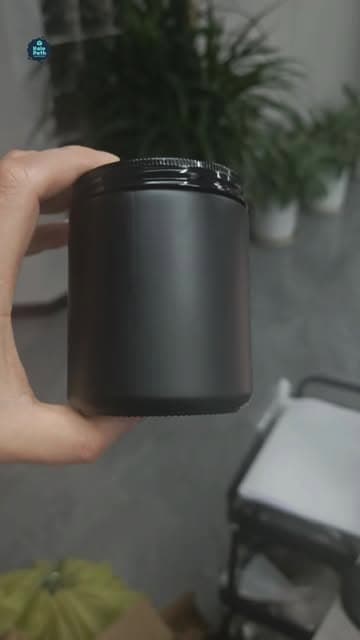
Food & Beverage Packaging
- Fast, reliable delivery across the USA
- A satisfaction guarantee on every order
- Food-safe materials used wherever direct contact applies

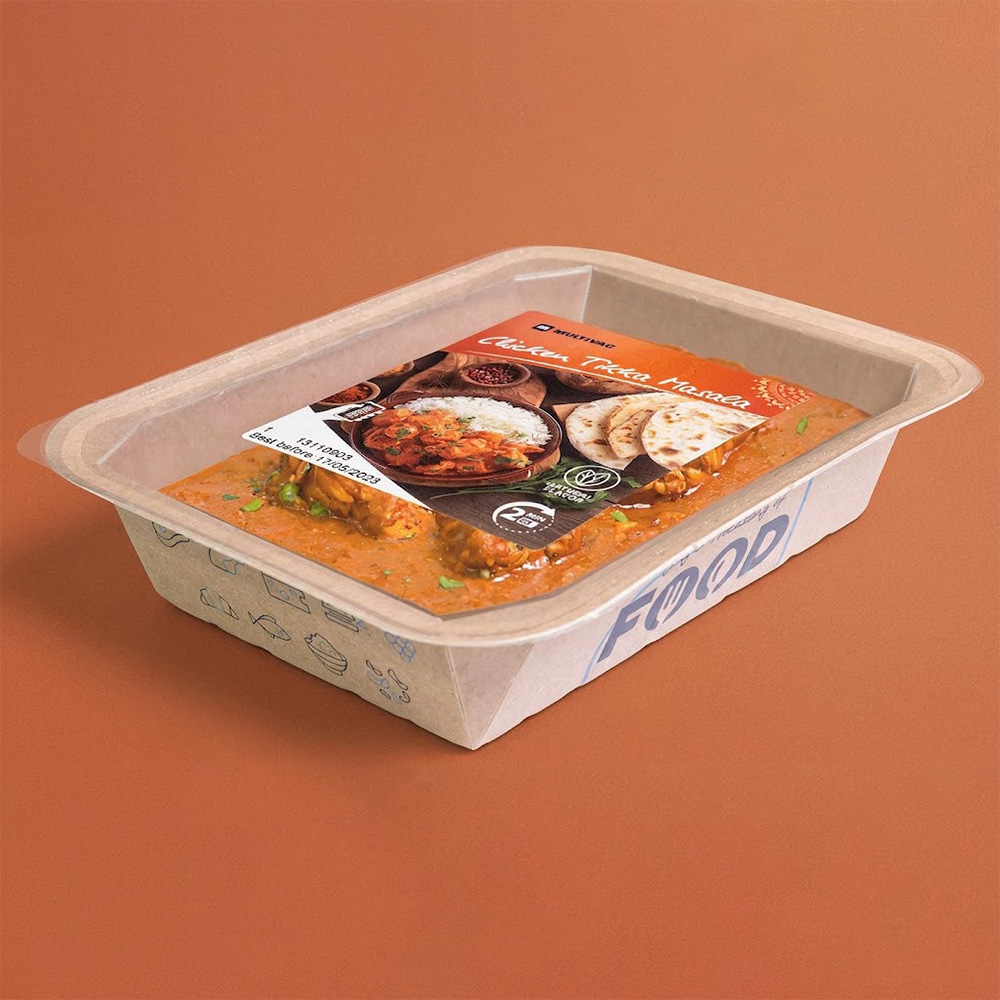
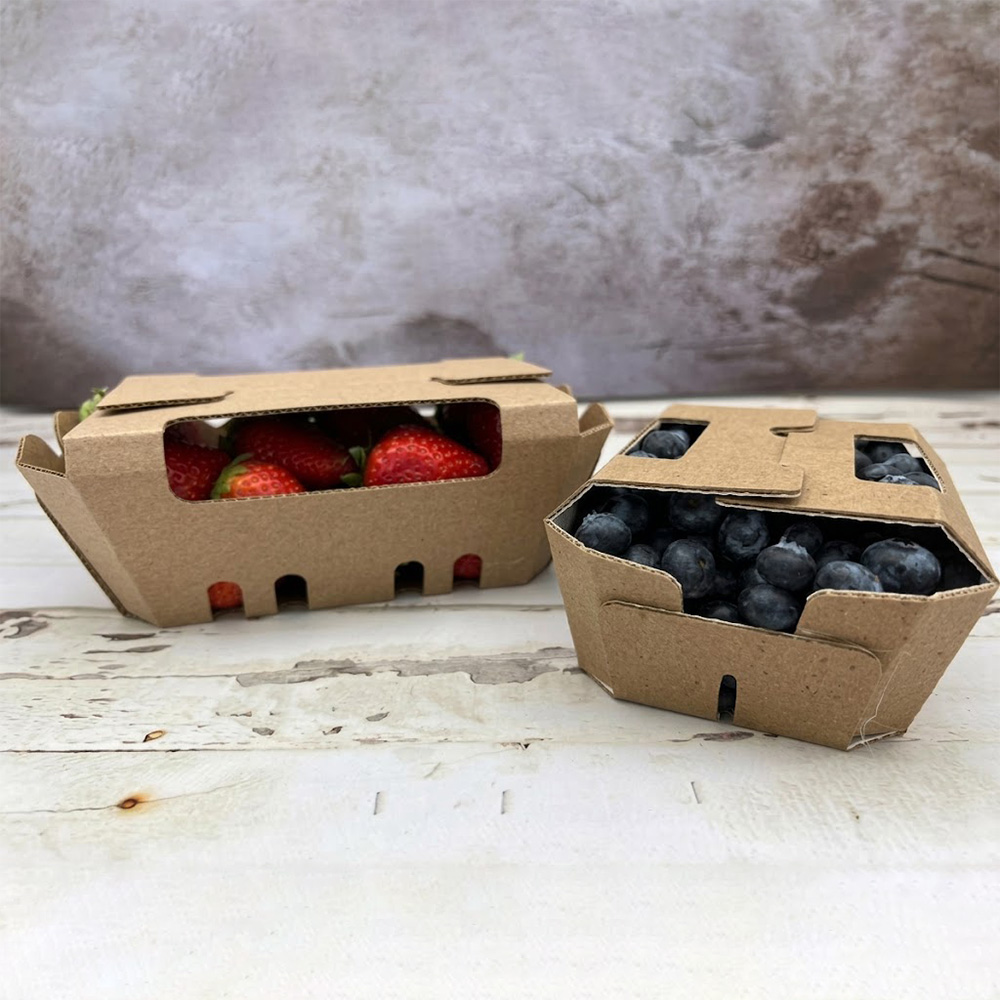
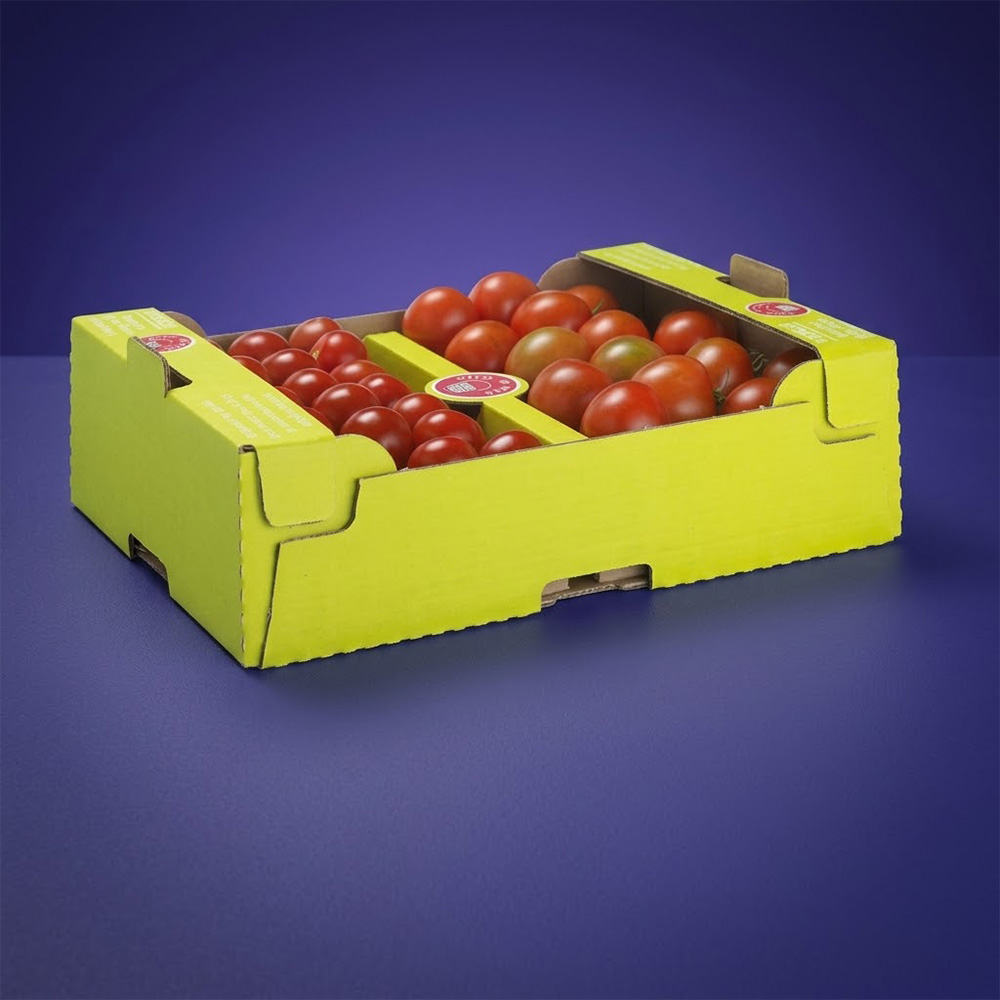
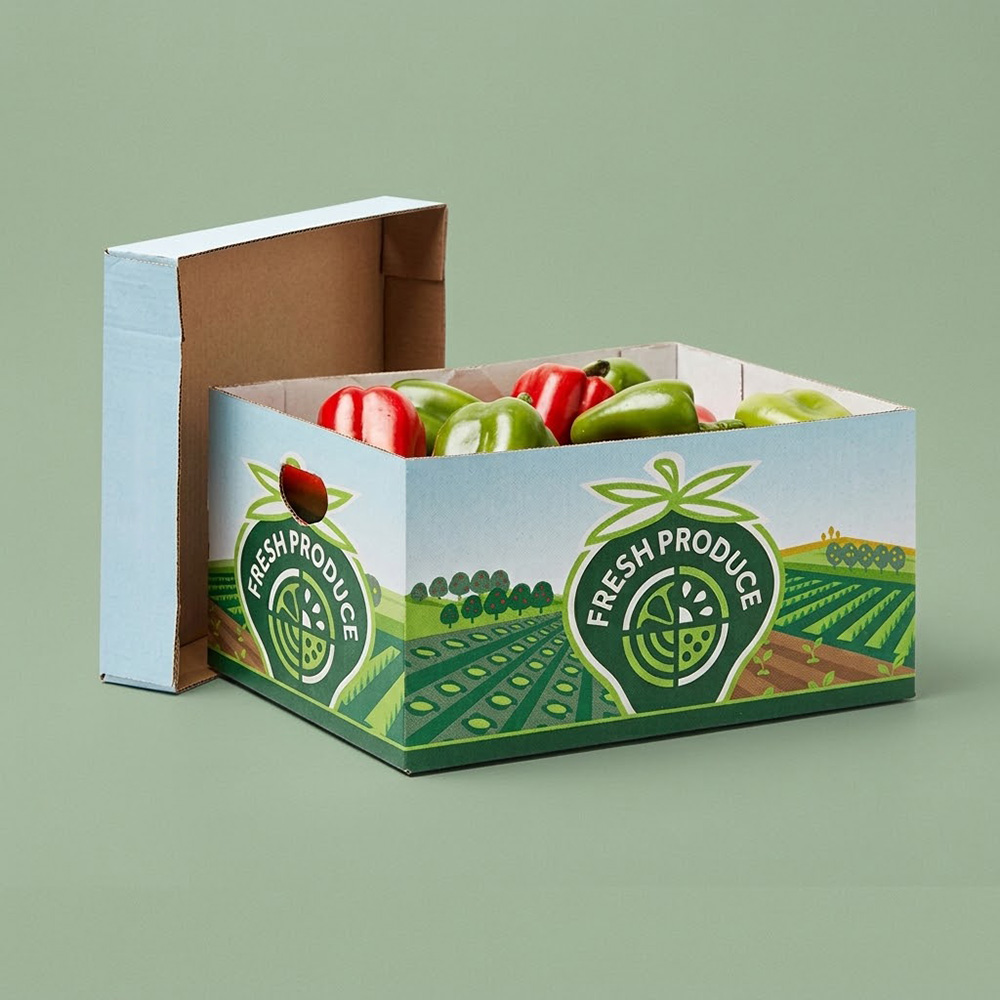
Display boxes in the USA are manufactured using high-quality cardboard, Kraft paper, and rigid materials. Provided employing eco-friendly, biodegradable, and sustainable materials to meet the green standard

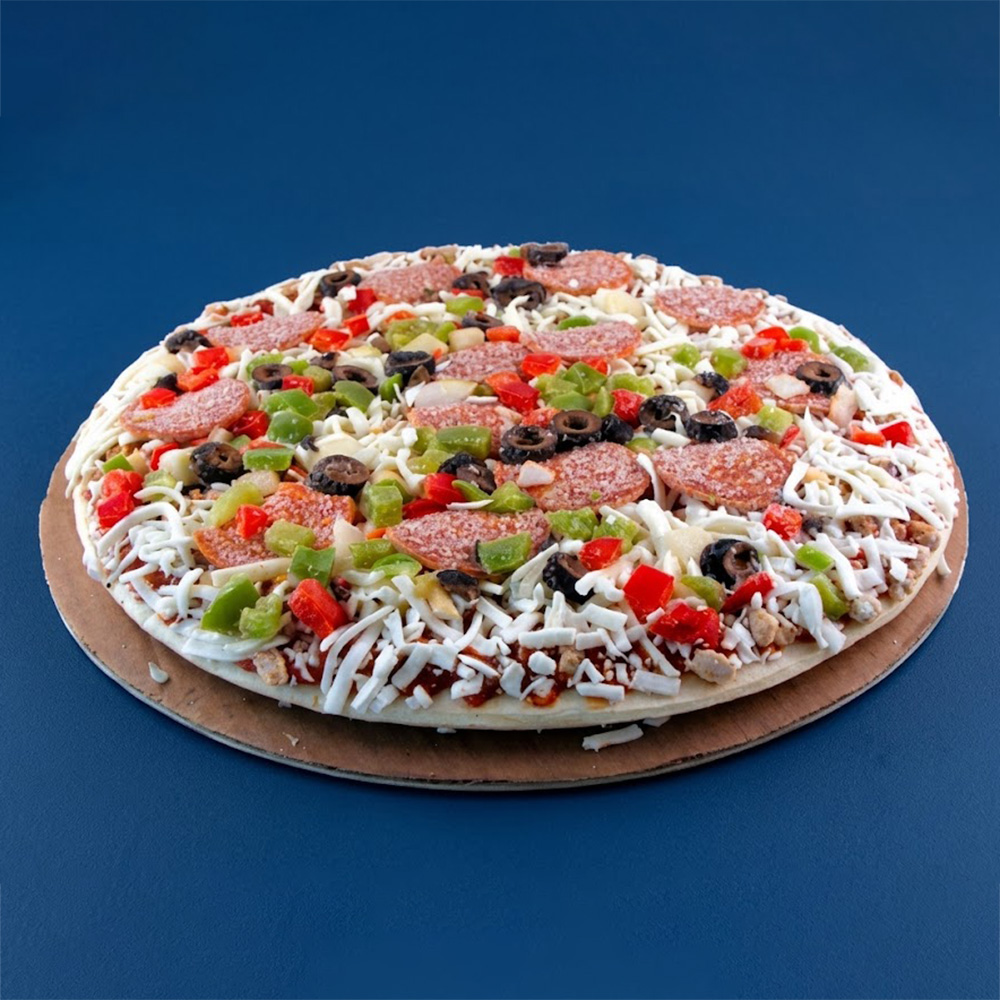
Hale Path Packaging manufactures domestically, which gives us tighter control over food-safe practices than most overseas suppliers can offer. We’ve worked with enough perishable and shelf-stable products to know that packaging for food isn’t just about branding; it’s about barrier protection, compliance, and how the product actually holds up between the production line and the customer’s hands.
Ask around among snack producers in Austin or beverage companies in Portland, and the same theme comes up again and again: freshness issues trace back to barrier selection far more often than box viscosity. Match a food-safe coating or liner to how sensitive the product actually is to moisture and oxygen, and that will outperform extra board weight every time. Skip that step, or get the pairing wrong, and you’ll have a product that tasted great leaving the factory and noticeably stale by the time it turns up on a shelf three states away.

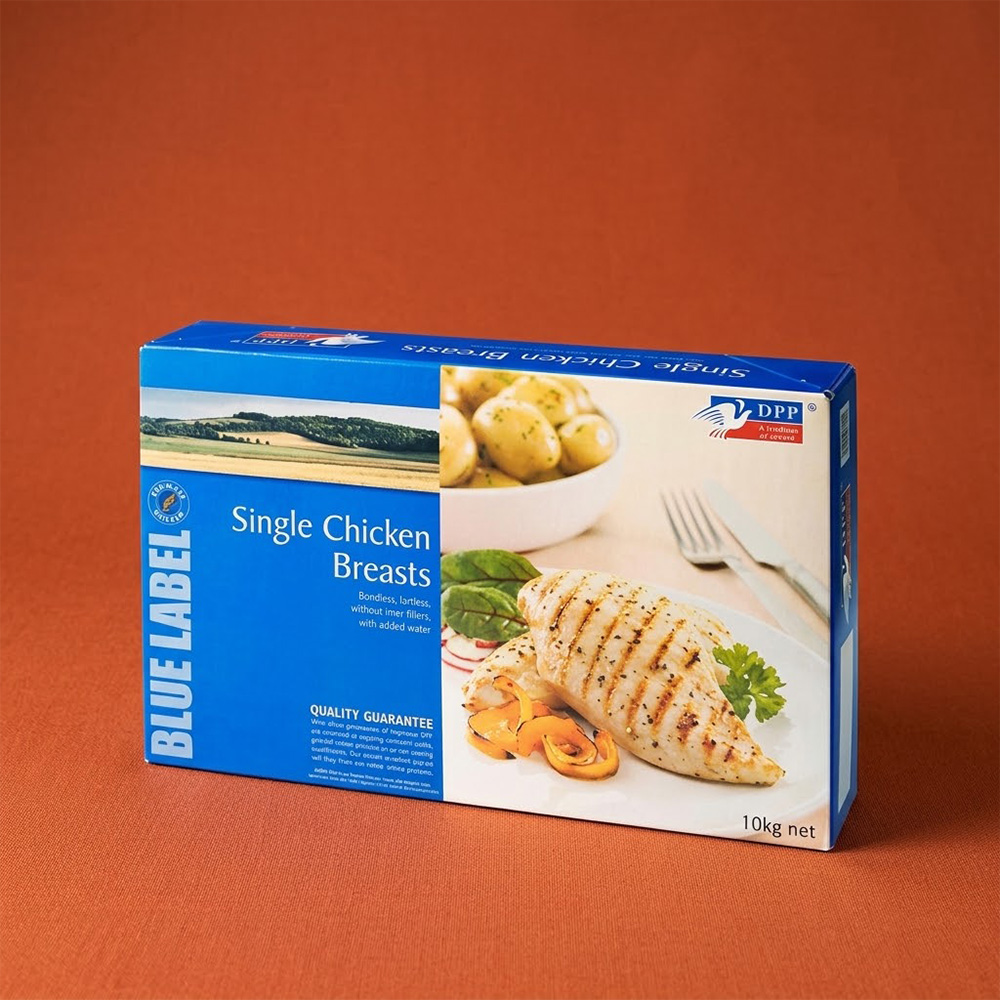
Our food and beverage packaging work covers everything from primary product contact packaging to the outer cases that carry it, with the same attention to detail behind our Corrugated Shipping Boxes USA line.
Adding more board weight won’t stop a food product from going stale. What actually does that job is the right barrier. Moisture, oxygen, and light each hit shelf life differently depending on what the product actually is. Build packaging around the wrong assumption about which one matters most, and it tends to fail quietly: you won’t see it on the production line; you’ll see it weeks later as a customer complaint. That’s the same reasoning behind the transit-specific testing on every Custom Packaging Boxes order we run for perishable goods.
Freshness problems rarely show up at the factory; they show up somewhere in the middle of distribution, which makes them easy to miss until complaints start coming in. We’ve learned to spec packaging around the full distribution timeline a product will actually face, not just how it looks and performs on day one. That same forward-looking approach carries into our E-commerce Packaging USA work too, where a box has to survive a shipping journey nobody in the room can watch happen.
Only whatever layer is actually touching the product needs that certification. An outer shipping case doesn't need it unless it's also making direct contact with food.
Most people don't distinguish between the two, and honestly, they're often used the same way. Technically speaking, "food-grade" is about the material itself meeting safe manufacturing standards, while "food-safe" leans more toward how that material gets used and stored.
Minimums are workable for smaller and regional brands testing a new package design, not built exclusively around large national runs.
Standard turnaround runs two to three weeks from artwork and barrier spec approval, though food-safe certification testing can add time on a first run.
Standard shipping packaging mainly protects against physical damage. Food packaging has that job too, plus a barrier layer managing moisture, oxygen, and sometimes light, which is what actually determines shelf life.
It depends on the barrier requirements. If a product doesn't need much barrier protection, pricing can land close to stock options. Something that's moisture-sensitive and needs a specialised film, though- that's where costs start climbing.
A combination of insulated liners or coatings with a condensation-resistant board usually wins out here, especially for anything that has to move through shifting temperatures on the way from production to the shelf.
Standard corrugated cases recycle without any issue. The primary product packaging is more variable; it depends on the specific film or coating, so it's worth checking recyclability with your supplier if that's a priority for your brand. At Hale Path Packaging, we build food and beverage packaging with the whole journey a product takes in mind, not just how it looks the day it leaves the factory. Ready to get started? Enquire now for a free sample, or talk to our team about matching a barrier spec to your product's shelf life.